PlantScanner.ai

Indoor Plant Care Guides

Detailed care guides for the most popular indoor plants. Each guide covers light requirements, watering schedules, humidity needs, soil preferences, common problems and solutions, plus propagation methods.

All Plant Guides

Select a plant to view its full care guide.

moderate
Monstera Deliciosa
Monstera deliciosa

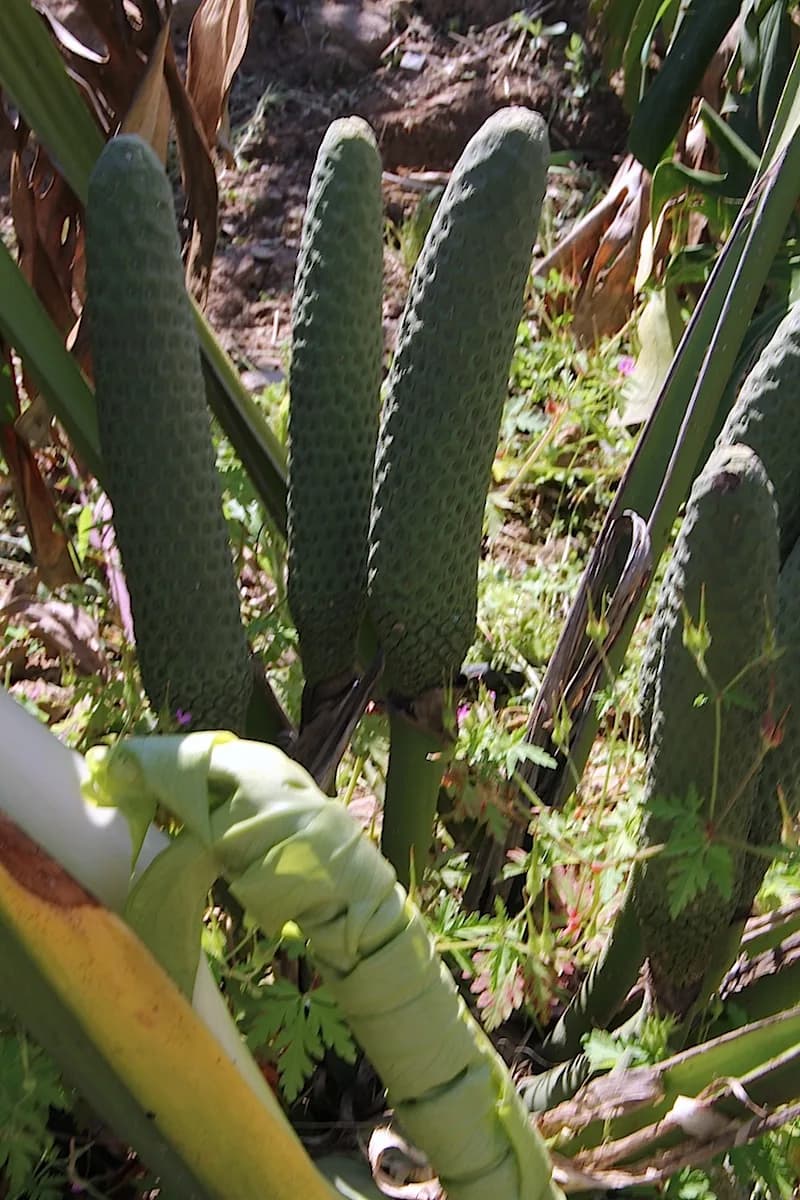
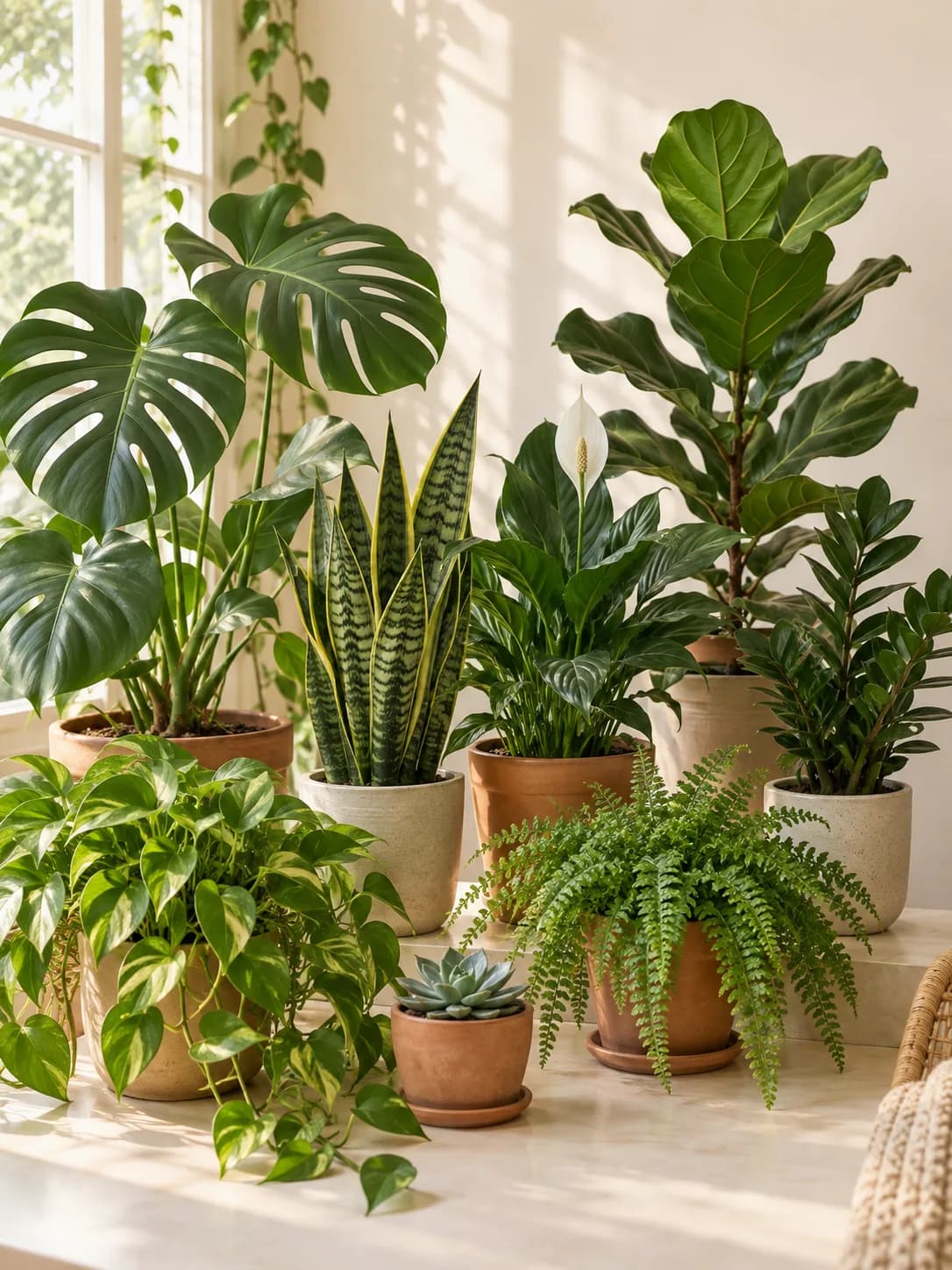
Monstera deliciosa, commonly known as the Swiss Cheese Plant, is prized for its large, fenestrated leaves. Native to the tropical rainforests of Central America, it naturally grows as an epiphytic climber beneath the forest canopy. Indoors it adapts well, growing quickly in bright indirect light. The signature leaf splits and holes develop as the plant matures.

Light: Bright indirect lightWater: Water when the top 2 inches of
easy
Pothos
Epipremnum aureum

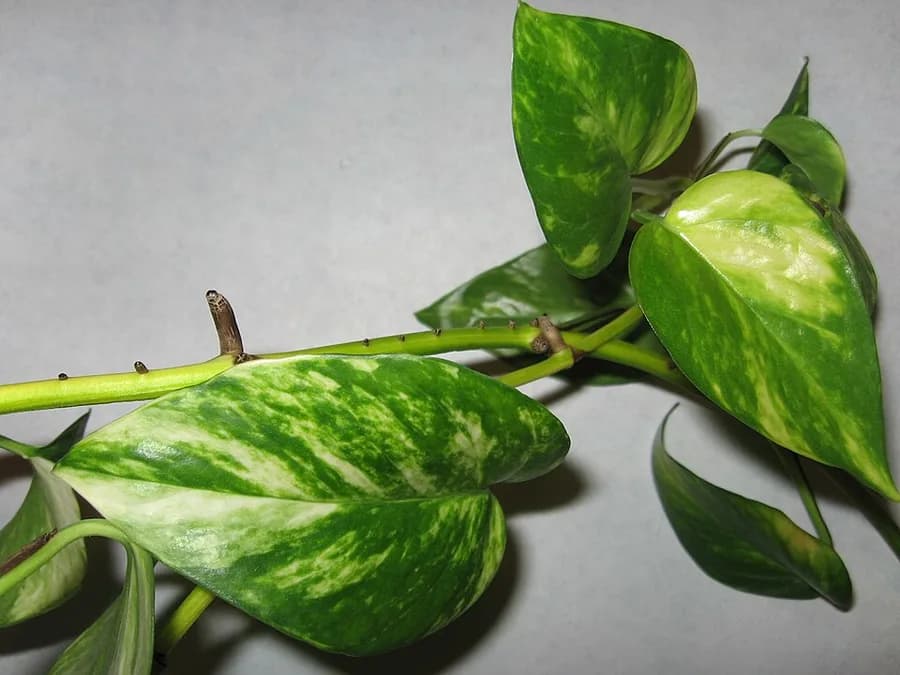
Pothos is one of the most forgiving houseplants, making it ideal for beginners. Its glossy, heart-shaped leaves trail elegantly from hanging pots or climb when given support. Native to the Solomon Islands, pothos comes in many varieties -- Golden, Marble Queen, Neon, and Jade -- each with distinct variegation patterns ranging from deep green to bright chartreuse.

Light: Tolerates low to bright indireWater: Water when the top inch of soi
easy
Snake Plant
Dracaena trifasciata

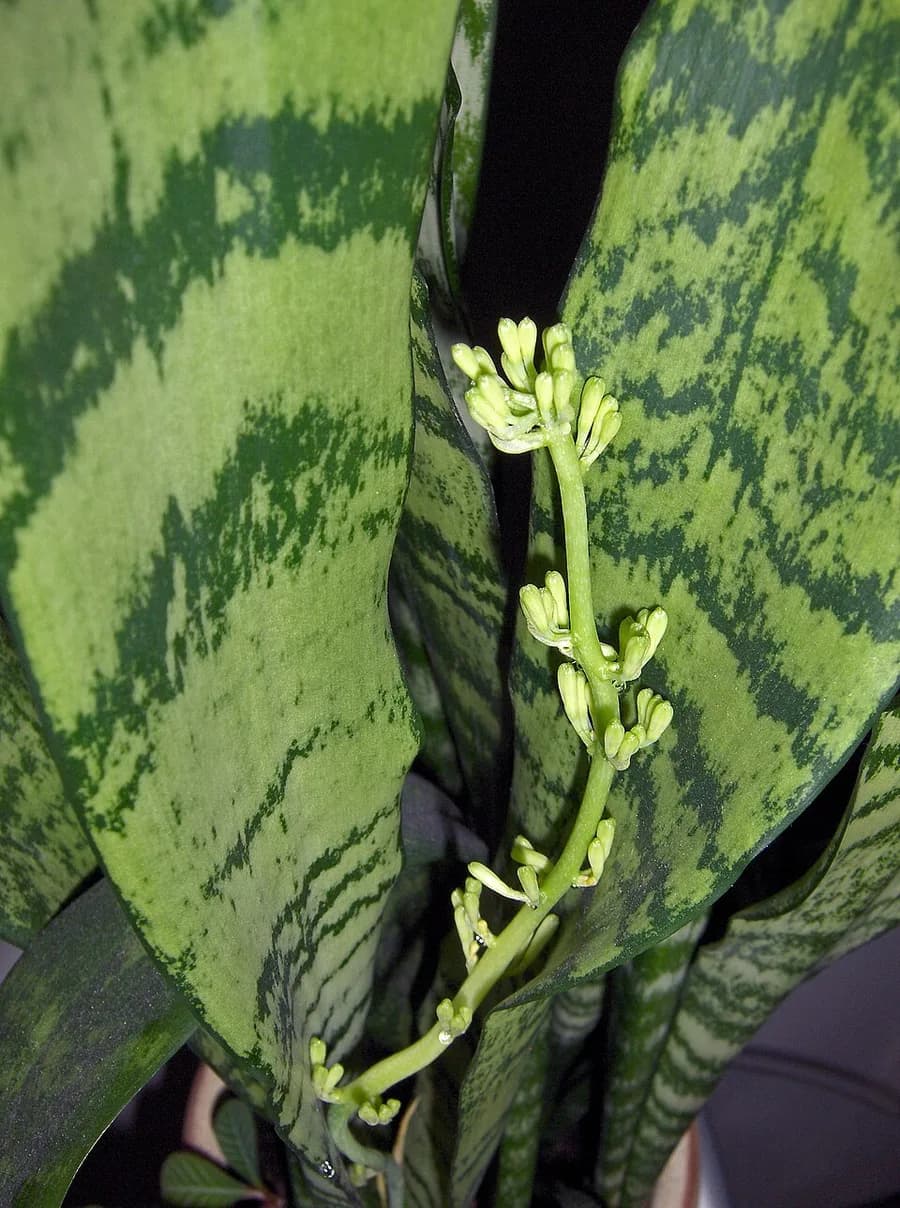
The snake plant, formerly classified as Sansevieria, is among the hardiest houseplants available. Its stiff, upright leaves feature striking patterns of green, yellow, and silver that vary by variety. Extremely tolerant of neglect, low light, and irregular watering, it is ideal for beginners and busy households. Snake plants also perform CAM photosynthesis, releasing oxygen at night, which makes them popular bedroom plants.

Light: Tolerates low light to bright Water: Water every 2-6 weeks dependin
hard
Fiddle Leaf Fig
Ficus lyrata

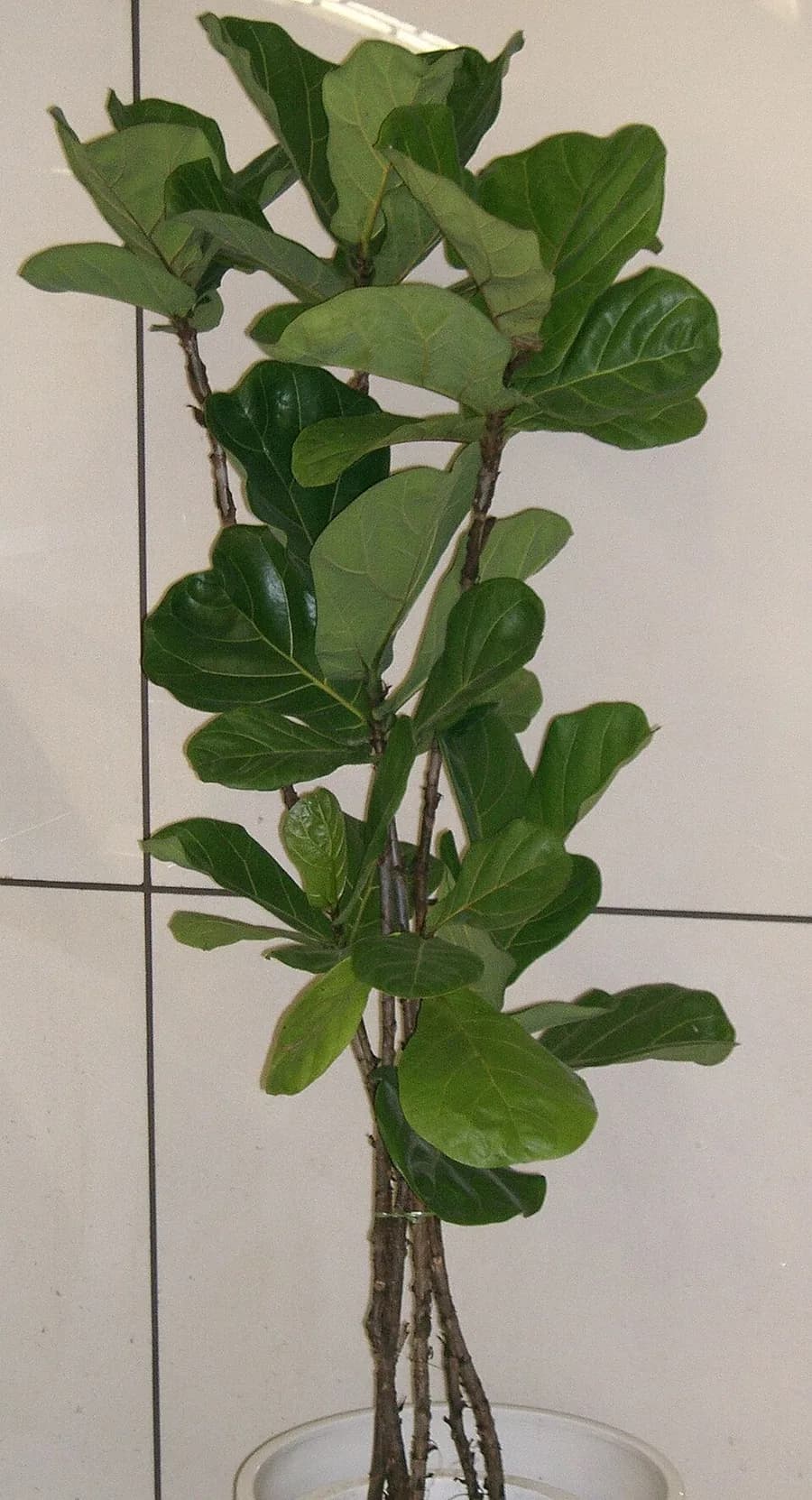
A single fiddle leaf fig stands out, its broad violin-like leaves shining and reaching as long as 18 inches. Hailing from West Africa's lush rainforests, this plant now lines shelves and corners in countless city apartments. Its appeal lies deep, yet it thrives only under strict conditions - light, humidity, soil mix, all carefully tuned. For those ready to observe and adjust, growth flourishes; others risk disappointment.

Light: Bright indirect to bright direWater: Water when the top 2 inches of
easy
Peace Lily
Spathiphyllum wallisii

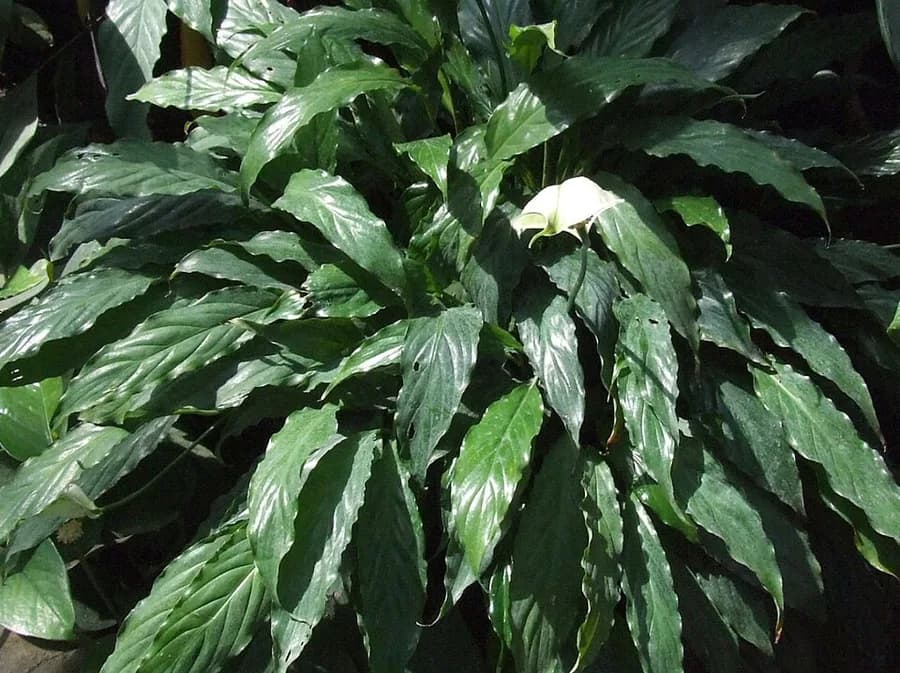
The peace lily is valued for its elegant white spathes and glossy dark green foliage. Native to tropical regions of the Americas and Southeast Asia, it is one of the few flowering houseplants that thrives in low light. Peace lilies are also effective air purifiers, filtering pollutants including ammonia, formaldehyde, and benzene.

Light: Low to medium indirect lightWater: Water when the top inch of soi
easy
ZZ Plant
Zamioculcas zamiifolia

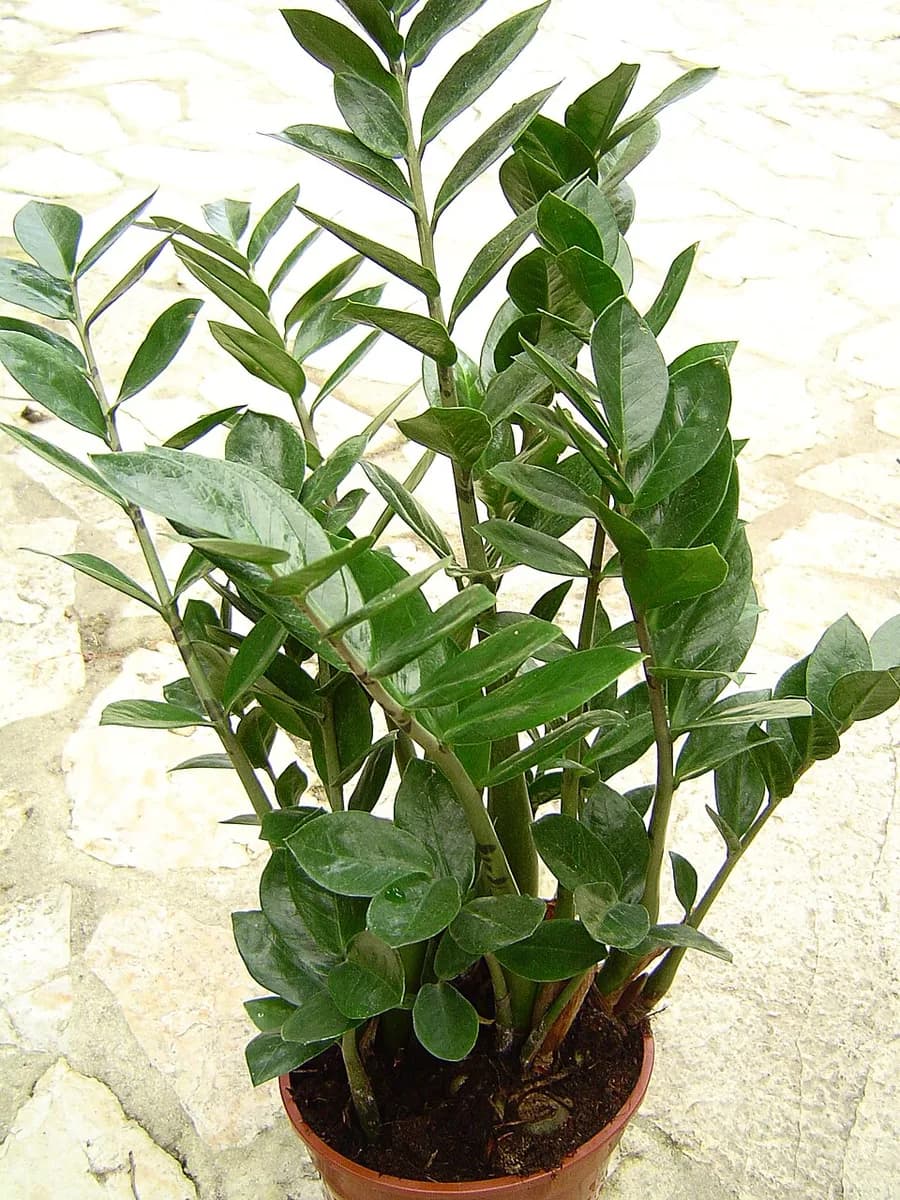
The ZZ plant is the definition of low-maintenance: glossy, dark green leaflets on graceful arching stems, powered by chunky underground rhizomes that store water for weeks. Native to the dry grasslands of East Africa, it shrugs off low light, missed waterings, and dry indoor air. For offices, dim apartments, and frequent travelers, it is one of the hardest houseplants to kill.

Light: Low to bright indirect lightWater: Water every 2-4 weeks
Pet safeeasy
Spider Plant
Chlorophytum comosum

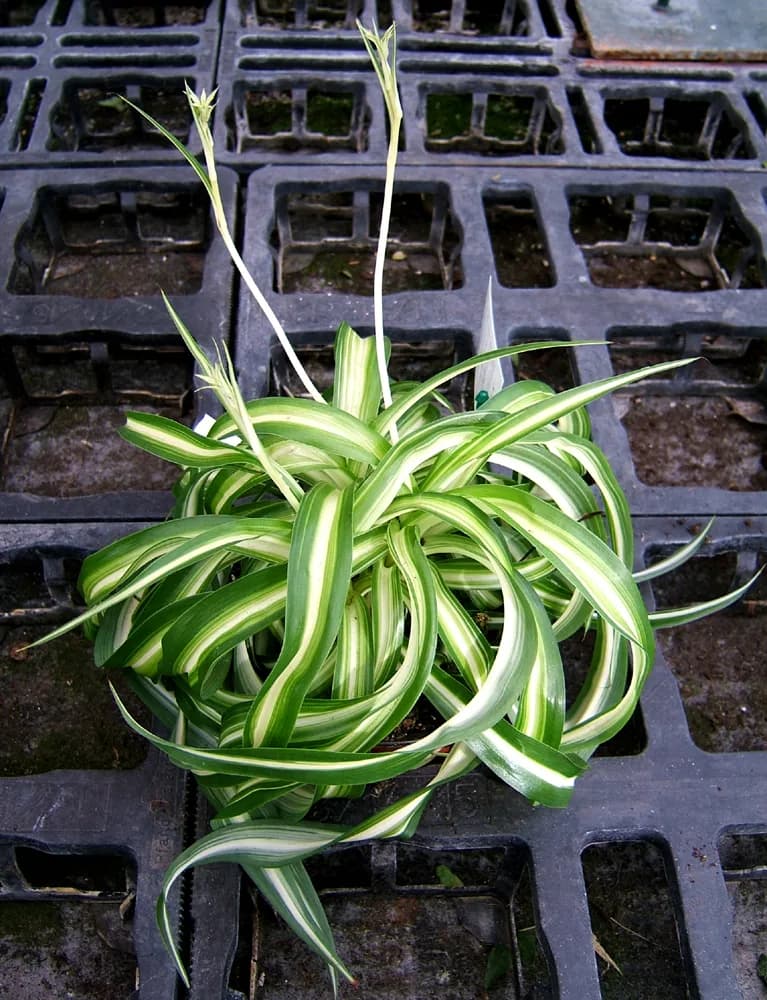
The spider plant is a houseplant classic: arching green-and-white striped leaves, fast growth, and cascading baby plantlets (spiderettes) that dangle from long stems like spiders on silk. Native to southern Africa, it is nearly indestructible, pet-safe, and one of the easiest plants to share -- every mature plant produces dozens of ready-to-root babies.

Light: Bright indirect light is idealWater: Water when the top inch of soi
easy
Aloe Vera
Aloe barbadensis miller

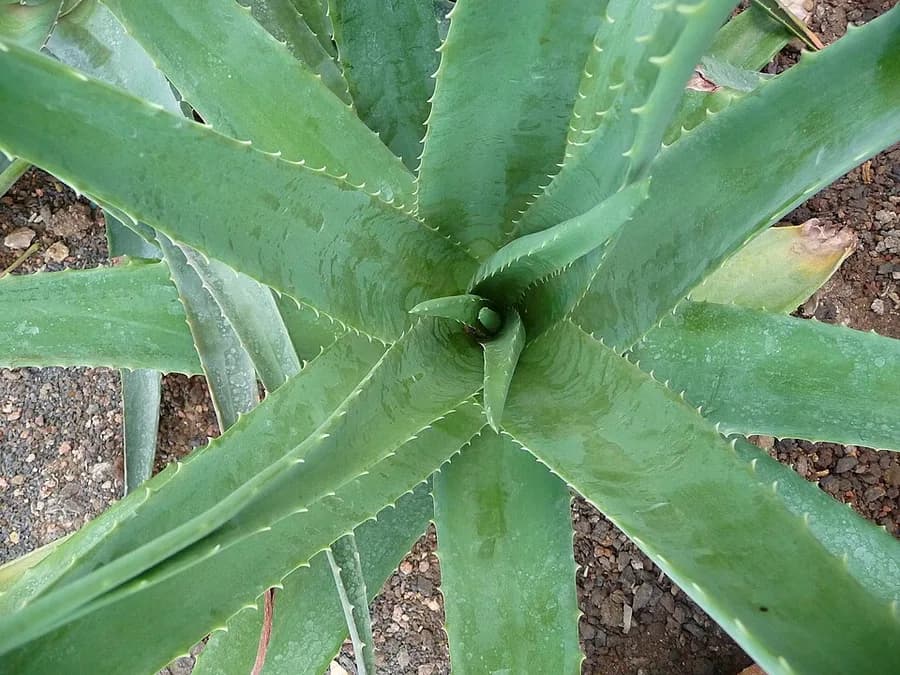
Aloe vera is a succulent with a resume: thick, serrated leaves filled with a cooling gel used on minor burns and skin irritation for thousands of years. Native to the Arabian Peninsula and cultivated worldwide, it thrives on sunny windowsills with minimal water. A healthy aloe multiplies readily, producing offset pups around its base that can be potted up and shared.

Light: Bright light with some direct Water: Water deeply but infrequently
easy
Rubber Plant
Ficus elastica

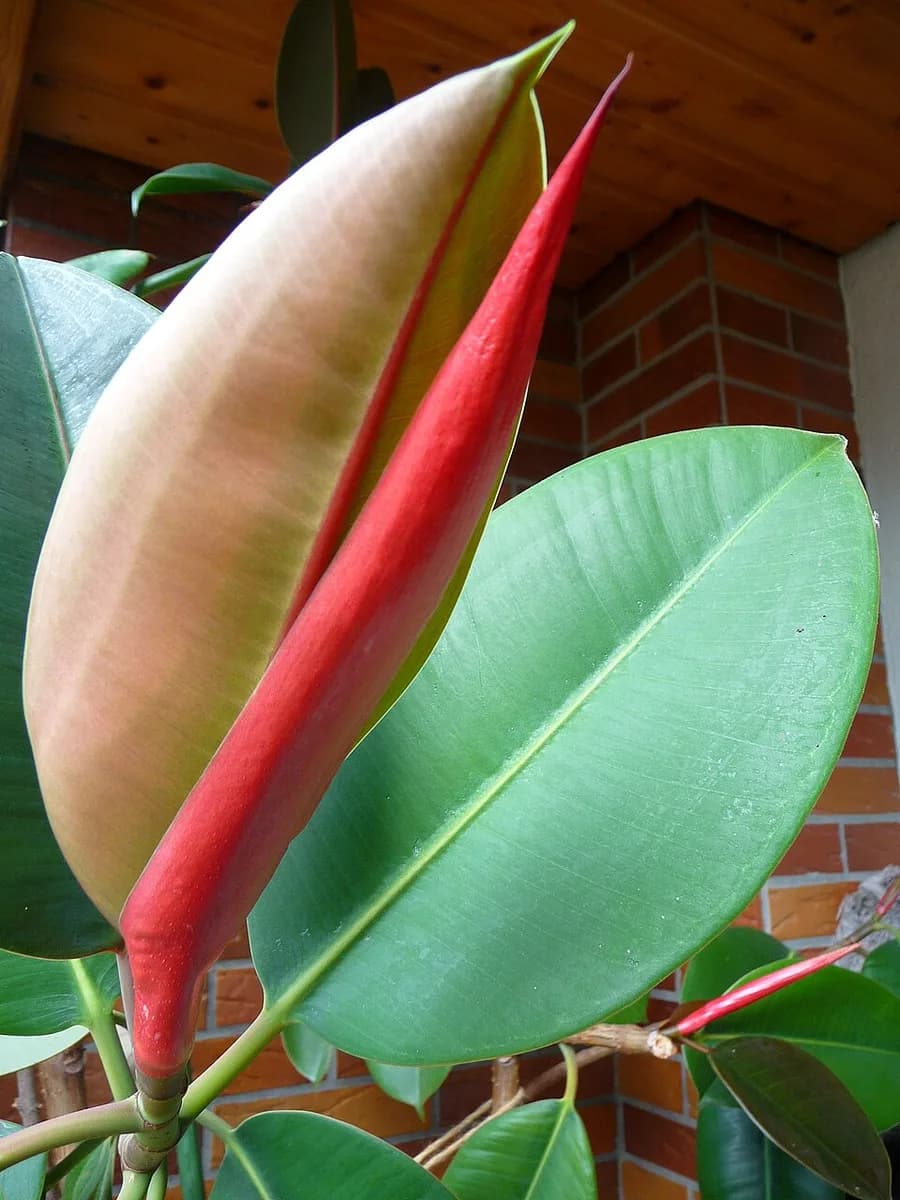
The rubber plant delivers the tree-like presence of a fiddle leaf fig with a fraction of the drama. Its thick, glossy leaves -- deep green, burgundy-black, or cream-splashed depending on variety -- shrug off average humidity and the occasional missed watering. Native to South and Southeast Asia, Ficus elastica can grow from a desktop plant into a ceiling-height indoor tree within a few years.

Light: Bright indirect light with somWater: Water when the top 1-2 inches
easy
Heartleaf Philodendron
Philodendron hederaceum
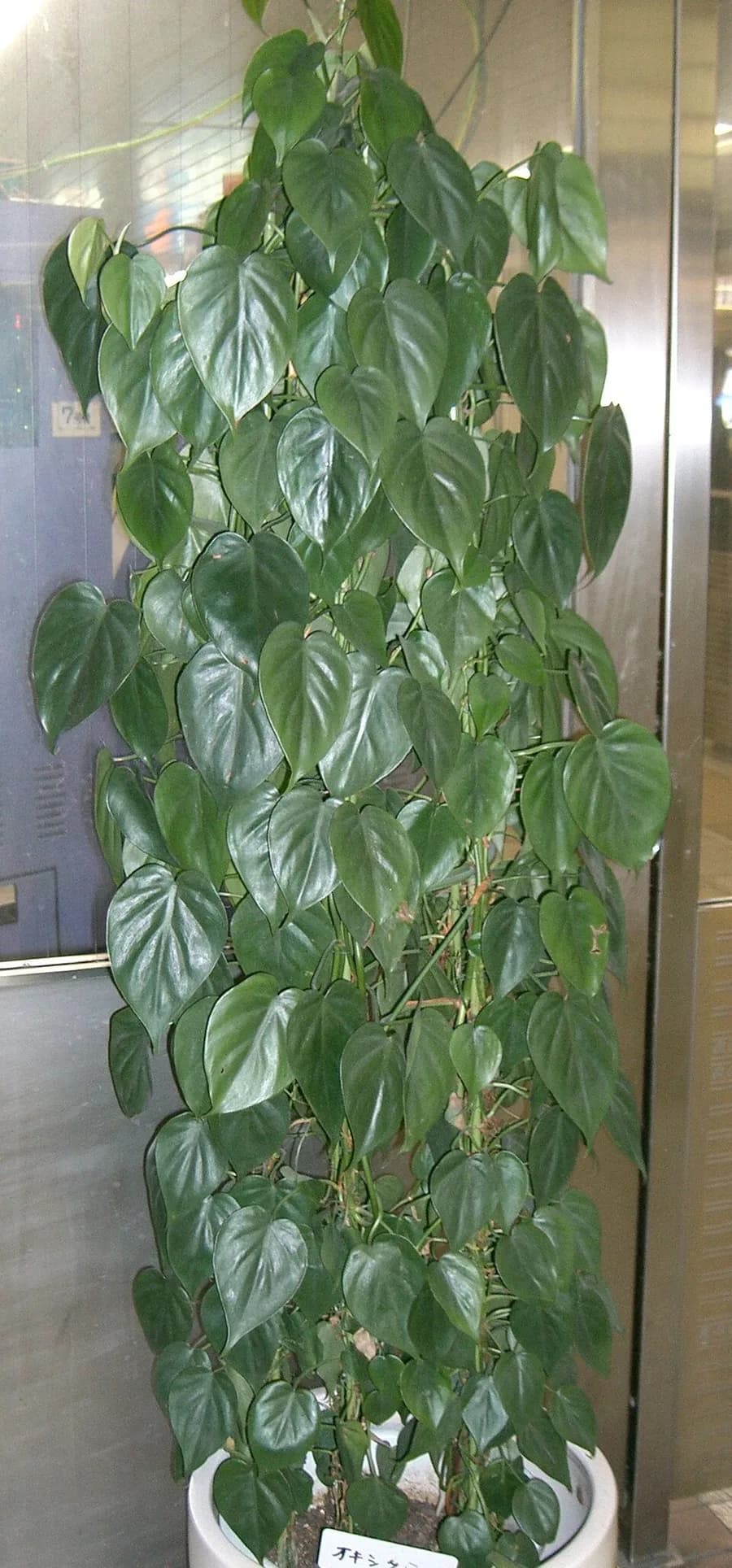
The heartleaf philodendron is the trailing plant that made 'hard to kill' a category. Its glossy, heart-shaped leaves cascade from shelves and hanging baskets, tolerating low light, dry air, and forgetful watering. Native to Central American and Caribbean rainforests, it grows quickly indoors and propagates so easily that a single plant can furnish a whole apartment within a year or two.

Light: Medium to bright indirect lighWater: Water when the top inch of soi
Pet safehard
Calathea
Goeppertia spp. (formerly Calathea)
Calatheas are grown for foliage that looks hand-painted: pinstripes, peacock feathers, rattlesnake patterns, and deep purple undersides, depending on the variety. Native to the humid understory of South American rainforests, they raise and lower their leaves with the daily light cycle -- you can sometimes hear a soft rustle at dusk. That beauty comes with demands: steady moisture, high humidity, and purified water. This is a plant for attentive owners.

Light: Medium to bright indirect lighWater: Keep the soil lightly moist at
easy
Jade Plant
Crassula ovata

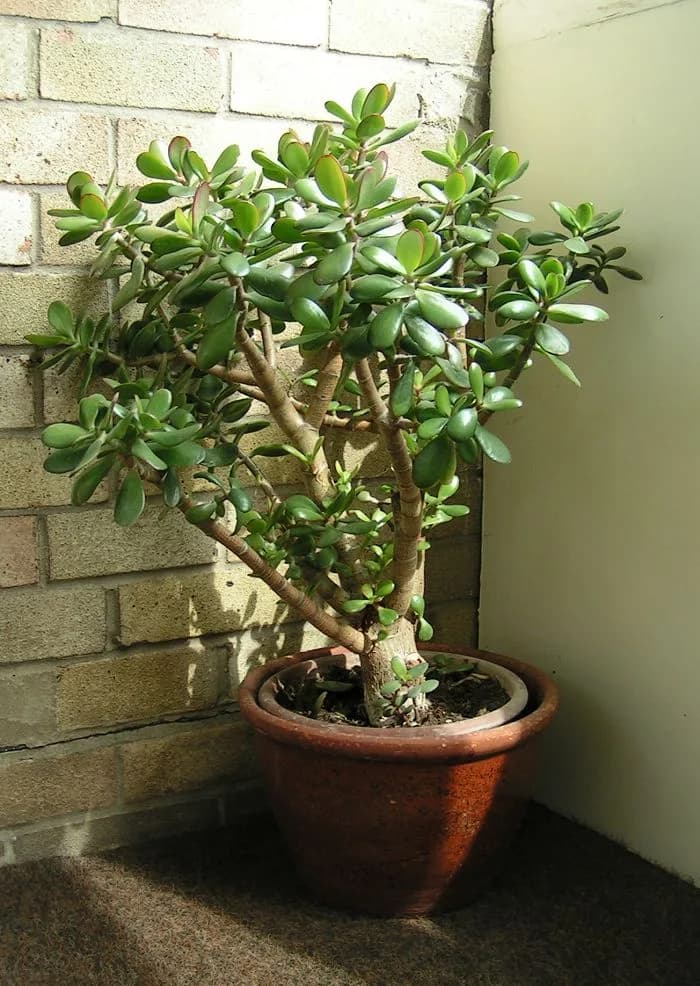
The jade plant is a small succulent tree with thick, coin-shaped leaves and a stout woody trunk -- a favorite for sunny windowsills and a symbol of good luck in many cultures. Native to South Africa, it grows slowly but lives for decades, with well-tended specimens passed down through generations. Give it sun and restraint with the watering can, and it asks for almost nothing else.

Light: Bright light with at least 4 hWater: Water when the soil is complet
Pet safemoderate
Boston Fern
Nephrolepis exaltata 'Bostoniensis'
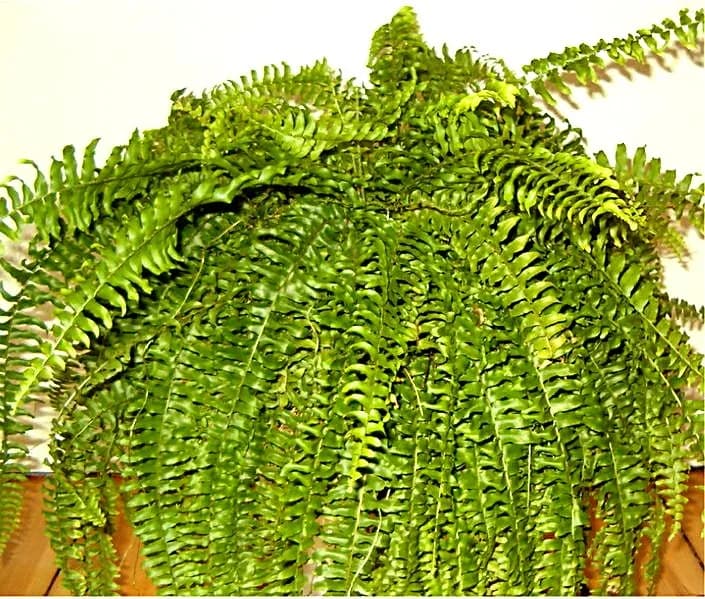
The Boston fern is the classic porch and parlor fern, cascading fountains of feathery green fronds that have decorated homes since the Victorian era. A cultivar of the sword fern discovered in a Boston shipment in the 1890s, it remains one of the most popular hanging plants in the world. It is lush, pet-safe, and excellent in humid rooms -- but it will punish dry air and missed waterings with a blizzard of shed leaflets.

Light: Bright indirect lightWater: Keep the soil consistently moi
Pet safeeasy
Chinese Money Plant
Pilea peperomioides

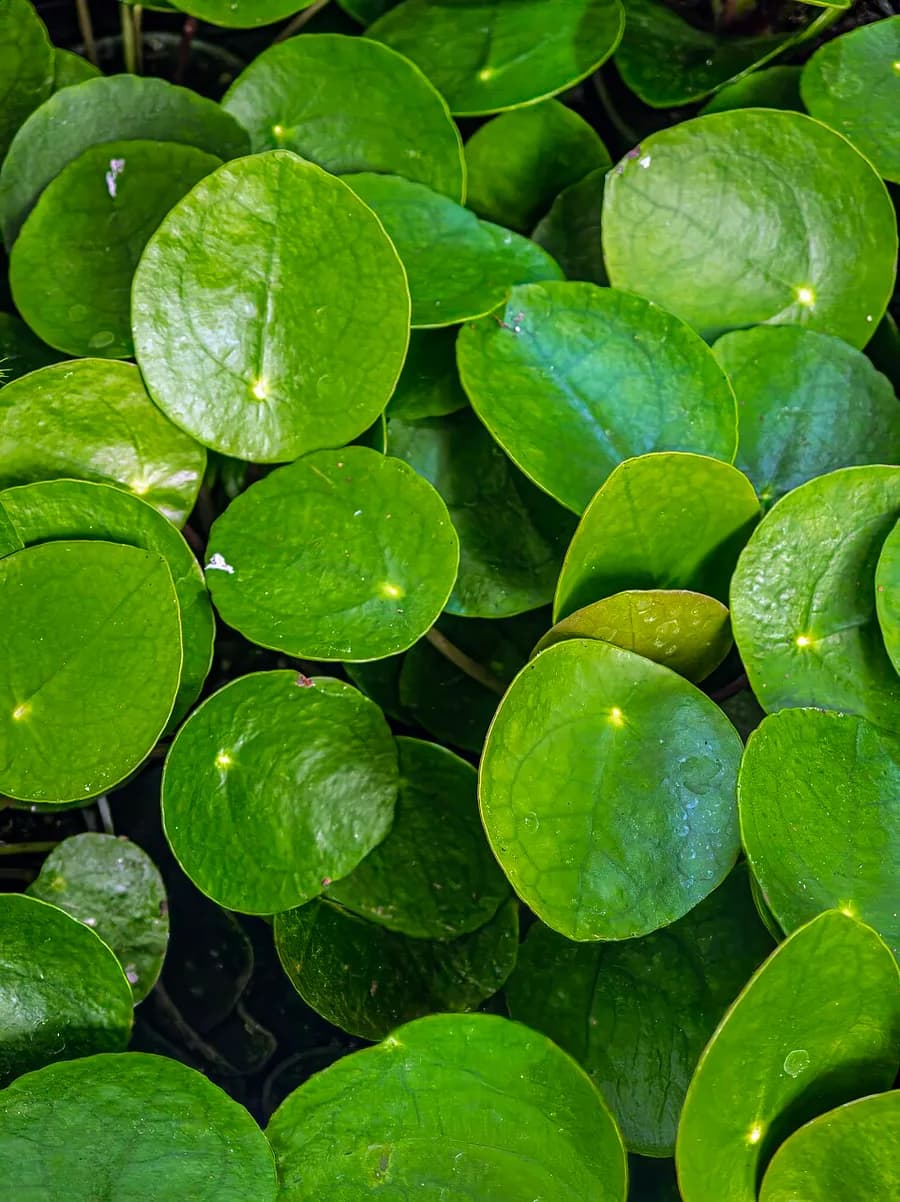
The Chinese money plant is instantly recognizable: round, coin-shaped leaves on slender stems radiating from a central stalk, like a bouquet of green pancakes. Native to the Yunnan province of China, it spread across the world largely by cuttings passed between friends -- earning the nicknames 'friendship plant' and 'pass-along plant.' It is fast-growing, pet-safe, and generous with baby plants, making it one of the most shareable houseplants you can own.

Light: Bright indirect lightWater: Water when the top 1-2 inches
moderate
English Ivy
Hedera helix

English ivy brings a piece of the old world indoors: trailing stems of lobed, often variegated leaves that drape from baskets, climb small trellises, and take to topiary shapes better than nearly any houseplant. Native to Europe and western Asia, it is famously vigorous outdoors -- invasive in parts of North America -- but indoors it is a cool-room specialist that rewards decent humidity and punishes hot dry air with spider mites.

Light: Bright indirect light indoorsWater: Water when the top inch of soi
easy
Dragon Tree
Dracaena marginata

The dragon tree is the houseplant that looks like a miniature palm and behaves like a cactus: slim, sculptural canes topped with fountains of narrow, red-edged leaves, thriving on irregular watering and ordinary light. Native to Madagascar, it grows slowly to 6 feet or more indoors, shedding lower leaves to reveal more of its elegant trunk as it climbs. For beginners who want an architectural floor plant, it is one of the most forgiving options.

Light: Medium to bright indirect lighWater: Water when the top half of the
moderate
Bird of Paradise
Strelitzia nicolai

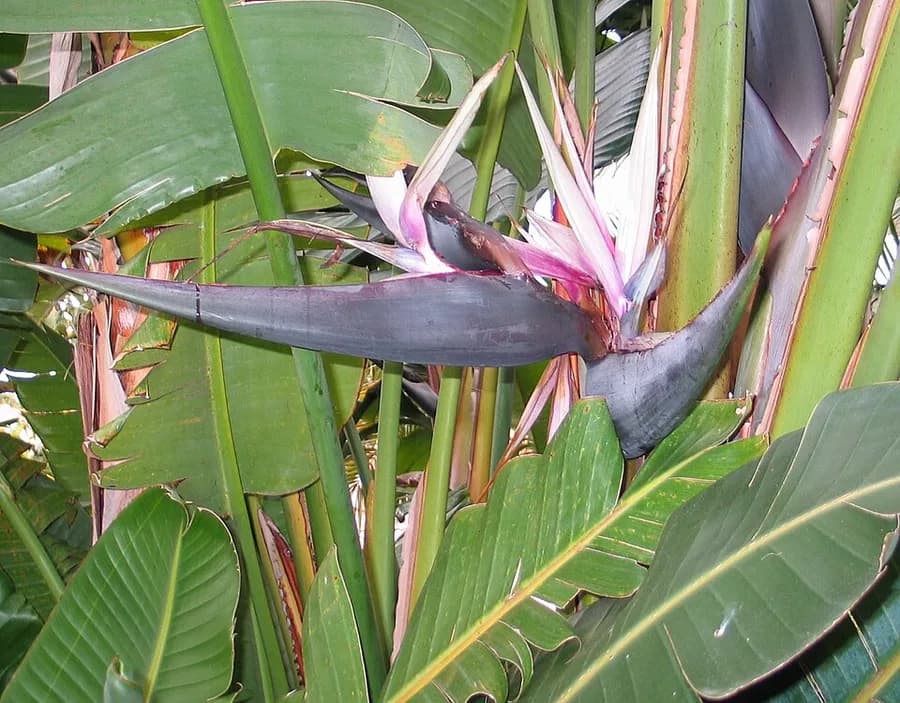
Bird of paradise is the houseplant for people who want a tree-sized statement: paddle-shaped leaves the size of banana leaves rising on tall stalks, evoking a hotel lobby in the tropics. Native to South Africa, Strelitzia nicolai can push past 6 feet indoors within a few years given serious light. Indoors it rarely produces its famous crane-like flowers, but the foliage alone earns its place. It needs sun, food, and room -- give it all three and it grows startlingly fast.

Light: As much light as you can offerWater: Water when the top 2 inches of
moderate
Anthurium
Anthurium andraeanum

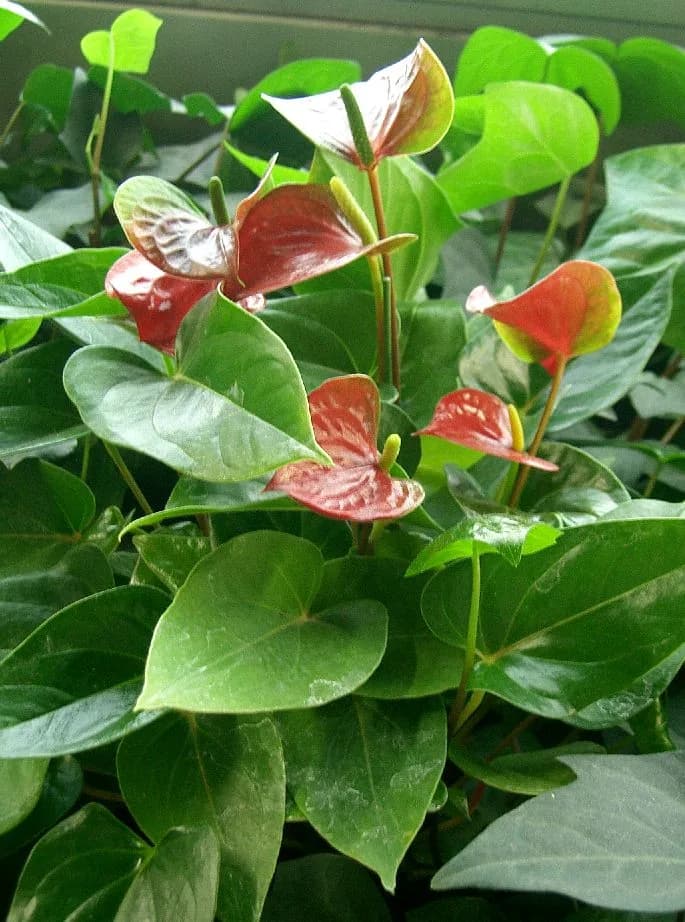
Anthurium -- the flamingo flower -- offers what almost no other easy houseplant can: months of continuous color. The glossy red, pink, or white 'flowers' are actually modified leaves (spathes) surrounding the true flower spike, and each one lasts up to two or three months. Native to Colombian and Ecuadorian rainforests, anthuriums grow as epiphytes, which explains their demand for chunky, airy soil. Given bright indirect light, a mature plant cycles through blooms nearly year-round.

Light: Bright indirect lightWater: Water when the top inch of soi
easy
Chinese Evergreen
Aglaonema commutatum

Chinese evergreen may be the best-kept secret in easy houseplants: broad, patterned leaves in silver, cream, pink, or red, on a plant that tolerates low light, average humidity, and busy owners. Cultivated in Asia for centuries as a bringer of luck, aglaonemas have been bred into dozens of striking varieties. The colorful types rival crotons and calatheas for looks while demanding a fraction of the care.

Light: Low to bright indirect light, Water: Water when the top 1-2 inches
Pet safeeasy
Hoya
Hoya carnosa

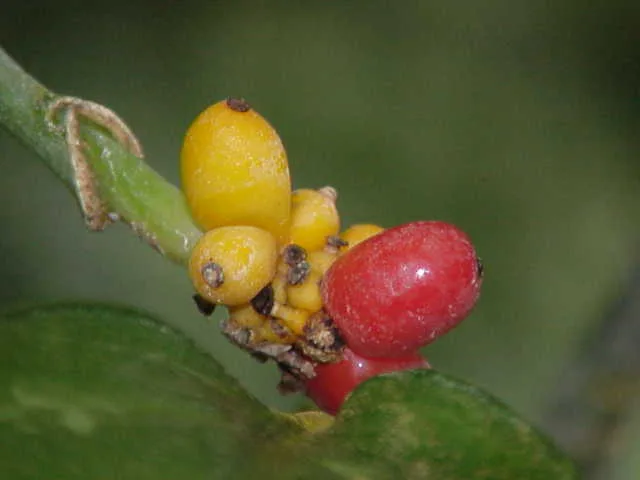
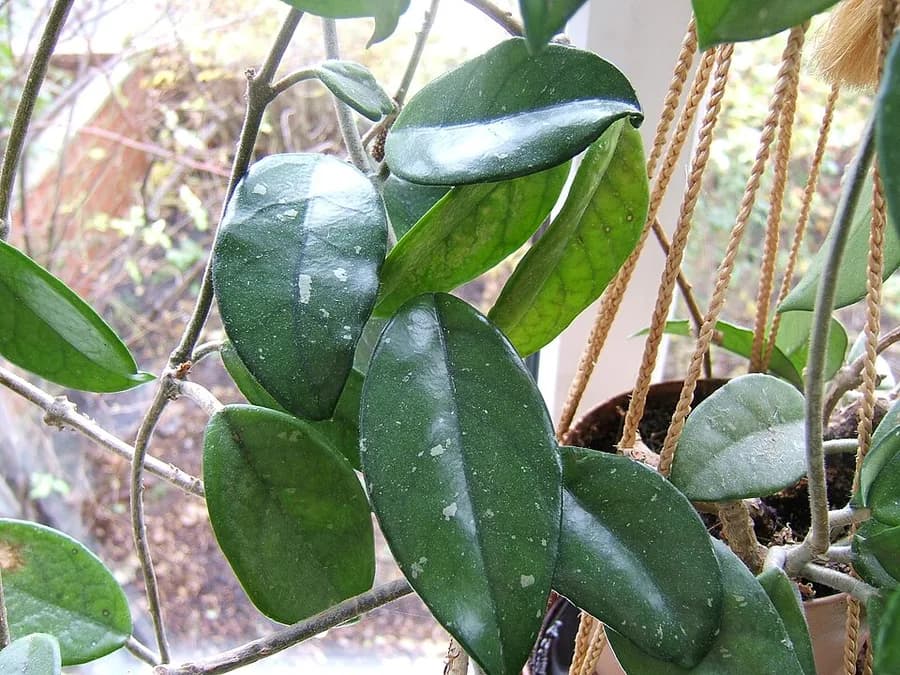
Hoya -- the wax plant -- is a trailing semi-succulent with thick, glossy leaves and one of the most spectacular payoffs in the houseplant world: umbels of star-shaped, porcelain-like flowers that smell of chocolate and vanilla at night. Native from East Asia to Australia, hoyas are long-lived, pet-safe, and tolerant of erratic watering. Plants passed down for decades, blooming every summer from the same spurs, are common family heirlooms.

Light: Bright indirect light with a lWater: Water when the soil is nearly
Pet safeeasy
Money Tree
Pachira aquatica

The money tree is a small indoor tree with glossy, hand-shaped leaves, usually sold with its young trunks braided together -- a nursery tradition tied to its reputation for bringing good fortune. Native to Central and South American wetlands, Pachira aquatica adapts remarkably well to living rooms and offices, forgives inconsistent care, and is safe for households with pets.

Light: Bright indirect lightWater: Water deeply when the top 2 in
easy
Dieffenbachia
Dieffenbachia seguine

Dieffenbachia earns its place with big, lush, cream-and-green painted leaves that bring instant tropical volume to a room, growing several feet tall in a single season when happy. Native to the Caribbean and South America, it is fast, forgiving, and inexpensive. Its one serious caveat is toxicity: the sap's oxalate crystals cause an intensely painful mouth if chewed, so it belongs out of reach of pets and toddlers.

Light: Medium to bright indirect lighWater: Water when the top 1-2 inches
Pet safemoderate
Moth Orchid
Phalaenopsis spp.

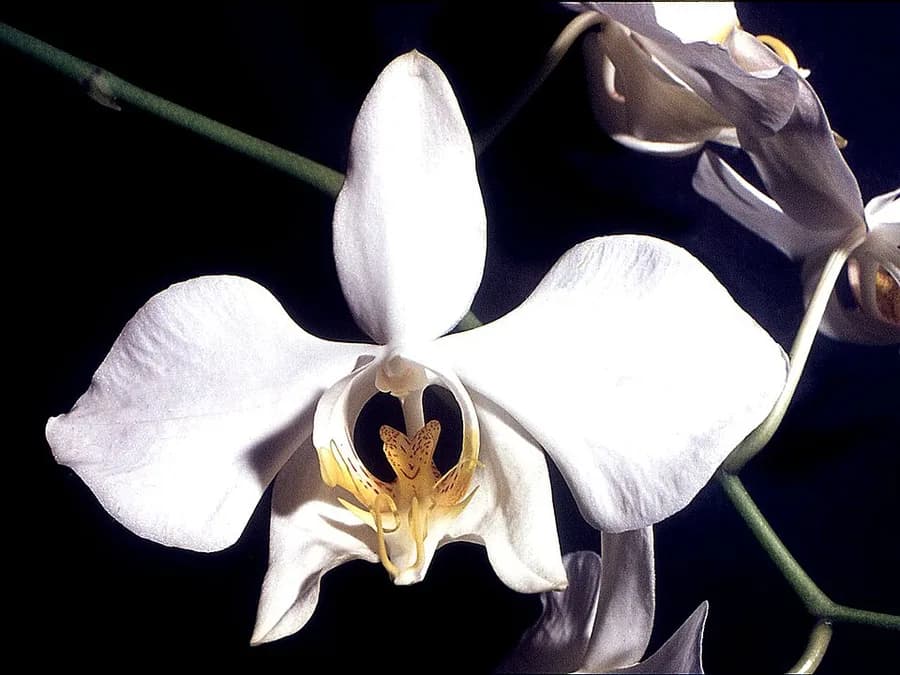
The moth orchid is the world's most popular orchid for good reason: sprays of long-lasting blooms -- two to four months is typical -- on a compact plant that genuinely tolerates household conditions. Native to Southeast Asian treetops, phalaenopsis grow as epiphytes clinging to bark, which explains everything unusual about their care: the clear pot, the chunky bark, the aerial roots, and the fatal consequences of regular potting soil. Most 'dead' supermarket orchids were simply overwatered; treated correctly, the same plant reblooms for decades.

Light: Bright indirect light -- an eaWater: Water about once a week by soa
Pet safeeasy
Parlor Palm
Chamaedorea elegans

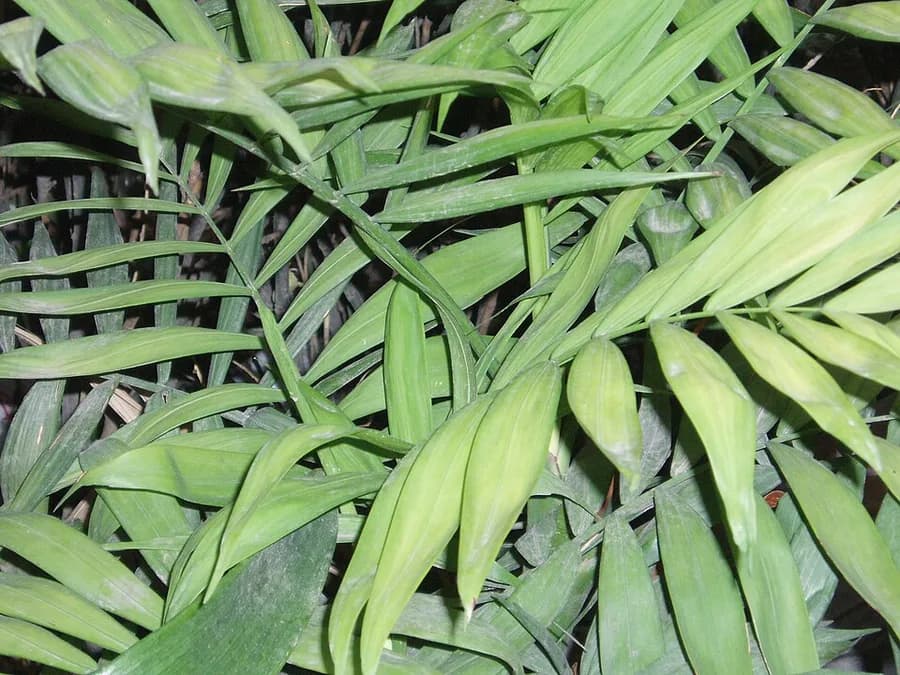
The parlor palm has been softening indoor corners since the 1800s, when its tolerance of dim Victorian parlors made it a status symbol anyone could keep alive. It remains one of the best low-light plants available: soft, feathery fronds on a slow-growing clump that tops out around 3-4 feet indoors, safe for cats and dogs, and content with ordinary humidity. For a pet-friendly touch of green in an unpromising corner, it is hard to beat.

Light: Low to medium indirect light -Water: Water when the top 1-2 inches
Pet safehard
Majesty Palm
Ravenea rivularis

The majesty palm sells a tropical dream -- six feet of arching, feathery fronds for a bargain price -- but it is the most demanding common palm in the trade. Native to riverbanks in Madagascar, it wants what a riverbank offers: abundant light, constant moisture, and humid air. Given all three it is glorious and pet-safe; short-changed on any one, it browns frond by frond. Buyers wanting the look with less work should consider the parlor palm instead.

Light: Bright indirect light with sevWater: Keep the soil consistently moi
moderate
Croton
Codiaeum variegatum

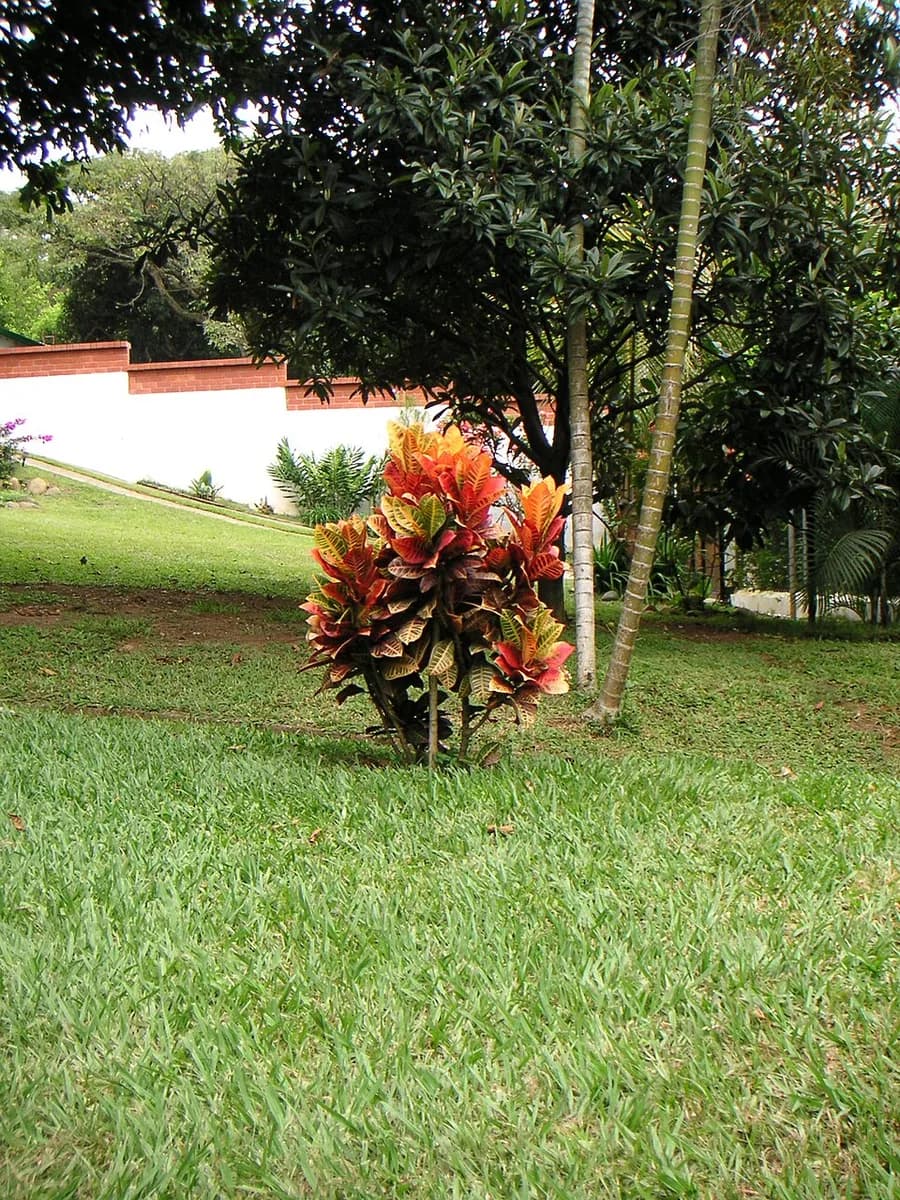
No houseplant does color like a croton: leathery leaves splashed with yellow, orange, red, and near-black, often on the same plant. Native to Indonesia and Malaysia, it wears tropical sunshine as pigment -- which is the catch, because those colors demand real light and stable conditions. Crotons are also infamous for dropping leaves in protest when moved. Win them over with sun, even moisture, and a permanent spot, and they are among the most spectacular foliage plants indoors.

Light: Bright light with several hourWater: Water when the top inch of soi
Pet safeeasy
Peperomia
Peperomia obtusifolia

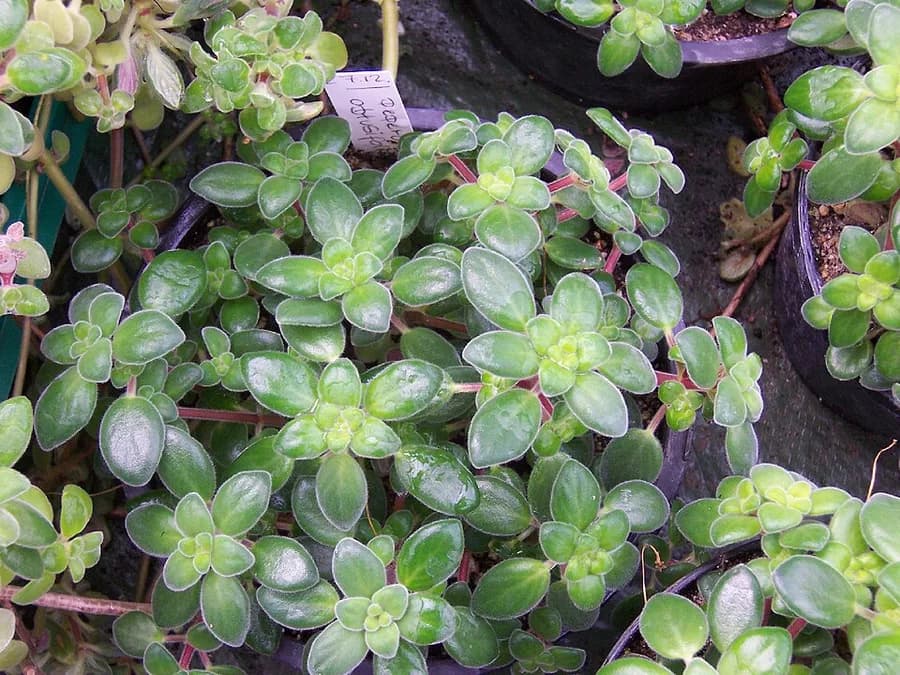
Peperomias are the compact overachievers of the houseplant world: over a thousand species of small, thick-leaved plants -- glossy baby rubber plants, rippled Peperomia caperata, striped watermelon peperomia -- that stay desk-sized, tolerate average homes, and are entirely pet-safe. Native mostly to Central and South American understories, they combine near-succulent drought tolerance with tropical looks. For small spaces, offices, and cat households, they are close to the perfect plant.

Light: Medium to bright indirect lighWater: Water when the top 2 inches of
Pet safemoderate
Prayer Plant
Maranta leuconeura

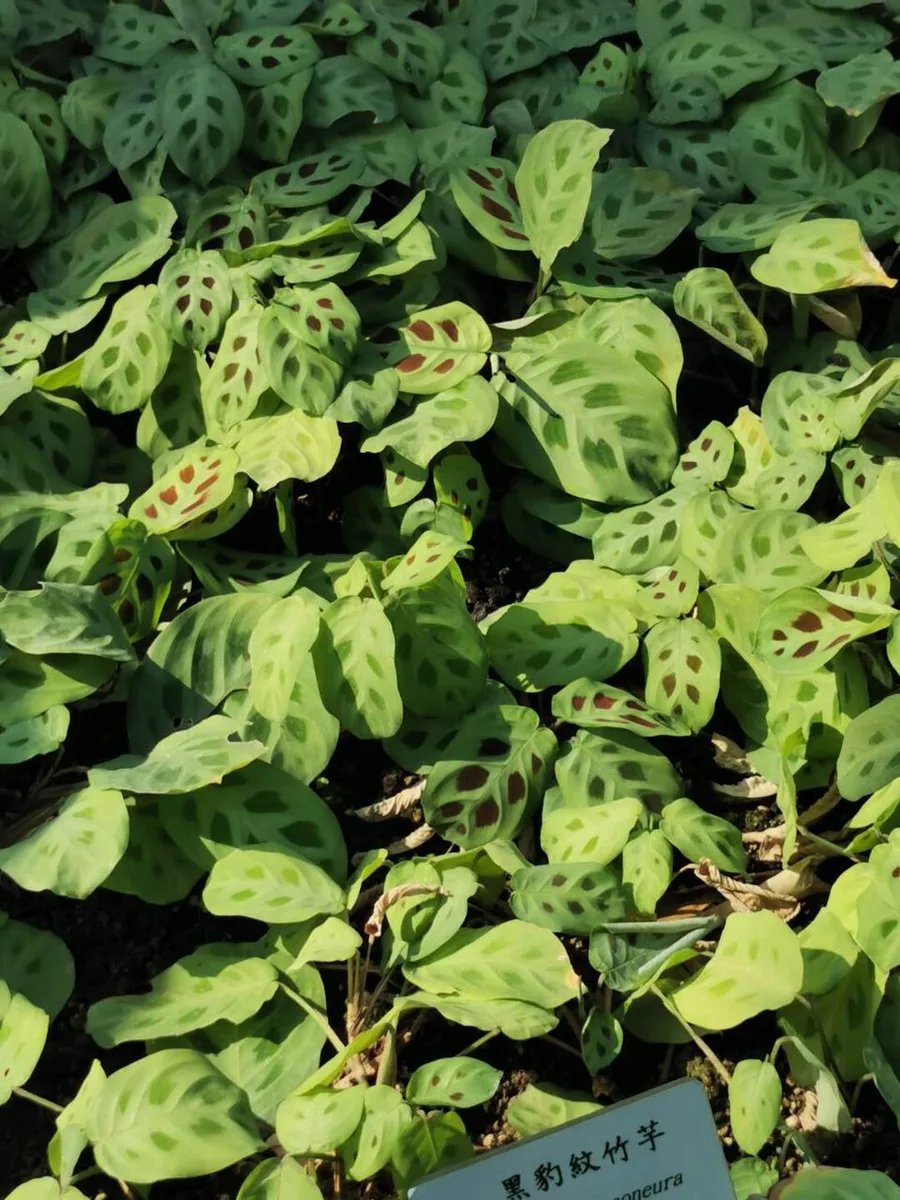
The prayer plant is named for its signature move: each evening the oval, hand-painted leaves fold upward like praying hands, unfolding again at dawn. The red-veined 'herringbone' variety is the most striking, its fishbone pattern in scarlet over two-tone green. Native to Brazilian rainforests, marantas are gentler-tempered than their calathea relatives -- more tolerant of average light and imperfect humidity -- while offering the same living-pattern appeal, and they are completely pet-safe.

Light: Medium to bright indirect lighWater: Keep the soil lightly moist
moderate
String of Pearls
Curio rowleyanus (syn. Senecio rowleyanus)
String of pearls is jewelry you grow: cascading strands of pea-shaped beads that can trail two feet or more from a hanging pot. Each bead is a leaf remodeled by evolution -- a sphere minimizes surface area to hoard water, with a small translucent 'window' letting light into the interior. Native to dry southwestern Africa, it demands succulent treatment: strong light, sharp drainage, and infrequent water. Given those, strands lengthen fast; denied them, pearls shrivel or the crown rots.

Light: Bright light with some gentle Water: Water every 2-3 weeks in the g
easy
Lucky Bamboo
Dracaena sanderiana

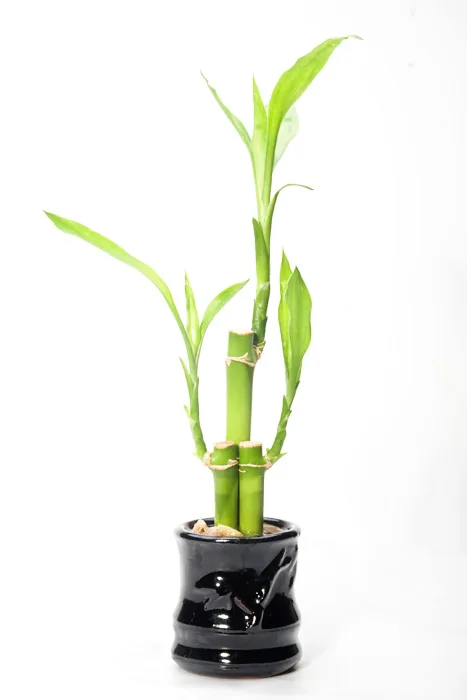
Lucky bamboo is neither lucky by botany nor bamboo at all -- it is Dracaena sanderiana, a West African understory plant whose canelike stalks made it the world's favorite feng shui gift. It grows for years in nothing but a vase of water and pebbles, tolerates dim rooms, and is nearly impossible to kill except by tap water chemicals or direct sun. The sculptural spirals and woven shapes sold in shops are trained, not natural, but new growth can be guided the same way at home.

Light: Medium indirect lightWater: In water: keep roots submerged

Plants by Room

Find the right plant for every space in your home.

Can't Find Your Plant?

Upload a photo of your plant and our AI will identify it instantly, then provide a complete care guide tailored to your specific species.

Scan Your Plant