Prayer Plant
Maranta leuconeura
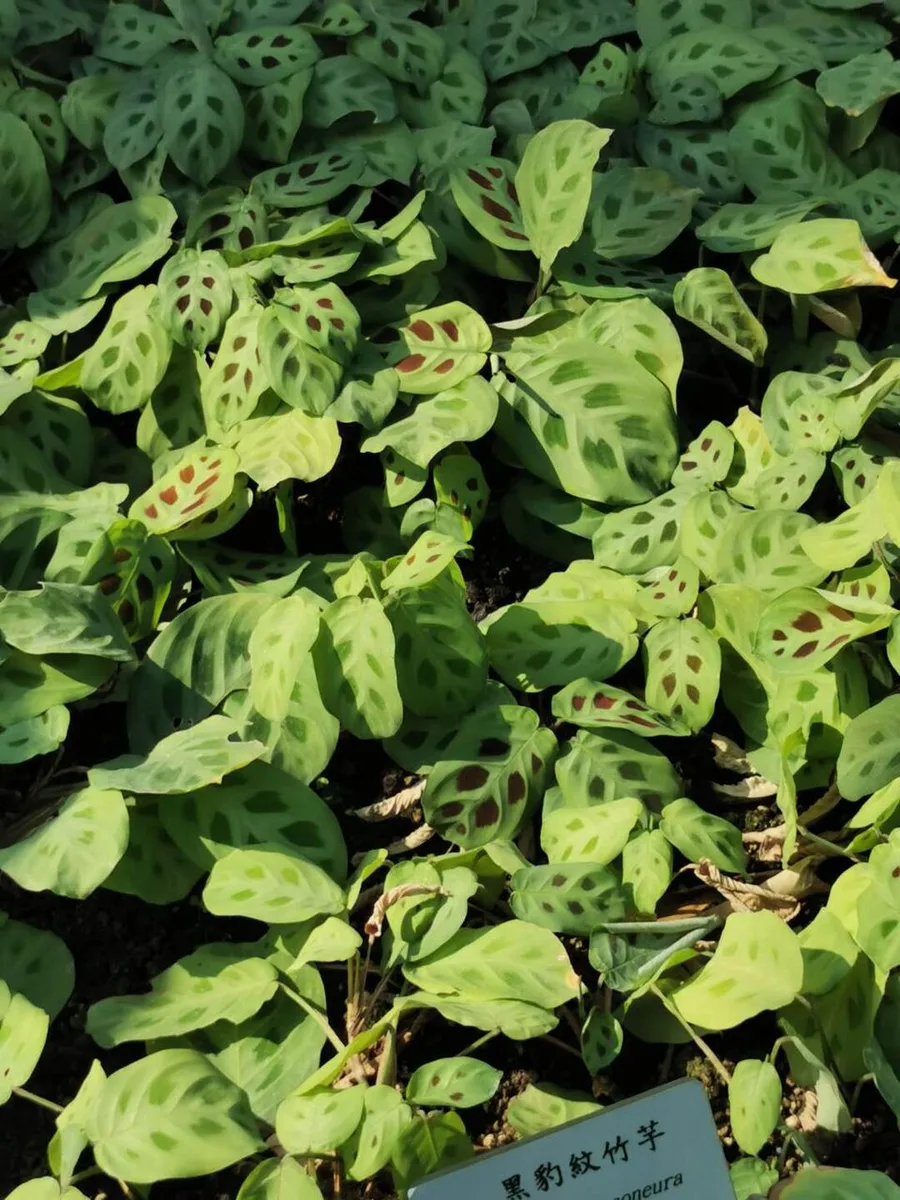
Image credit: Ping an Chang · CC BY-SA 4.0 · full image credits
Light
Medium to bright indirect light
Water
Keep the soil lightly moist
Humidity
50%+ keeps edges clean; higher is better
Temp
65-80 F (18-27 C)
Toxicity
Non-toxic to cats and dogs
Overview
The prayer plant is named for its signature move: each evening the oval, hand-painted leaves fold upward like praying hands, unfolding again at dawn. The red-veined 'herringbone' variety is the most striking, its fishbone pattern in scarlet over two-tone green. Native to Brazilian rainforests, marantas are gentler-tempered than their calathea relatives -- more tolerant of average light and imperfect humidity -- while offering the same living-pattern appeal, and they are completely pet-safe.
Detailed Care Guide
Prayer plants want rainforest-floor basics delivered gently: medium indirect light, soil kept lightly moist with filtered or rain water, and as much humidity as you can reasonably provide. They grow as low, spreading trailers rather than upright clumps, so a hanging basket or shelf edge shows them well. Watch the nightly leaf-folding as a health meter -- a well-hydrated, happy maranta moves visibly every day, while a stressed one goes still. Trim leggy stems above a node a couple of times a year to keep growth dense; cuttings root easily in water. Flush the soil occasionally to clear mineral buildup, feed lightly in the growing season, and repot in spring when roots crowd the pot.
Medium to bright indirect light. Direct sun fades the painted patterns and scorches leaves. Tolerates lower light better than its calathea cousins.
Keep the soil lightly moist, watering when the top inch begins to dry. Use filtered or rain water -- marantas share the family sensitivity to fluoride and chlorine.
50%+ keeps edges clean; higher is better. A humidifier or a bright bathroom suits them well.
Moisture-retentive, well-draining mix -- potting soil with peat or coir plus perlite.
65-80 F (18-27 C). Keep above 60 F and out of drafts.
Feed monthly in spring and summer at quarter to half strength.
Common Problems
Identify and fix the most frequent issues with Prayer Plant.
Crispy brown leaf edges
Symptoms
Edges and tips brown and dry out.
Cause
Low humidity or tap water minerals, occasionally underwatering.
Solution
Switch to filtered or rain water, raise humidity above 50%, and keep moisture even. Trim damaged edges along the leaf's curve.
Leaves stopped folding at night
Symptoms
The daily prayer movement slows or stops.
Cause
Stress -- usually underwatering, low humidity, or insufficient light. Movement requires well-hydrated leaf joints.
Solution
Water thoroughly with filtered water, boost humidity, and confirm the plant gets clear day-night light contrast. Movement typically resumes within days of rehydration.
Curling leaves
Symptoms
Leaves roll inward and feel dry.
Cause
Thirst or dry air.
Solution
Water thoroughly and raise humidity; leaves usually relax within a day. Persistent curling in moist soil suggests root stress from mineral-heavy water.
Faded, washed-out pattern
Symptoms
The red veins and painted blotches lose contrast.
Cause
Too much direct light.
Solution
Move out of direct sun into bright-to-medium indirect light. New leaves emerge with full contrast.
Spider mites
Symptoms
Speckled leaves and fine webbing, mostly in dry winter air.
Cause
Low humidity.
Solution
Shower the foliage, treat with insecticidal soap weekly for three weeks, and raise humidity -- prevention and cure are the same thing here.
Propagation
Far easier than calathea: take stem cuttings just below a node with a leaf or two attached and root them in water -- roots appear in 2-4 weeks -- or pin trailing stems onto moist soil to layer. Mature clumps also divide cleanly at repotting time in spring. Pot several rooted cuttings together for a full basket.
Frequently Asked Questions
Why do prayer plant leaves move at night?
A small joint (the pulvinus) at each leaf base changes water pressure on a daily rhythm, raising the leaves at dusk and lowering them at dawn -- likely an adaptation for shedding rain and conserving moisture. Vigorous nightly movement is a sign of a healthy, hydrated plant.
Is a prayer plant safe for cats?
Yes -- prayer plants are non-toxic to cats and dogs, making them one of the best patterned-foliage choices for pet homes.
Prayer plant vs calathea -- what is the difference?
They are close cousins in the same family with similar looks and needs, but marantas trail rather than clump, propagate easily from stem cuttings, and are noticeably more forgiving of average humidity and light. If calatheas have defeated you, try a prayer plant.
Why has my prayer plant stopped moving?
Stillness signals stress -- most often thirst, dry air, or too-dim light without day-night contrast. Water with filtered water, raise humidity, and give it brighter indirect light; movement usually resumes within a few days.
Should I mist my prayer plant?
Misting gives only a brief humidity bump and can encourage leaf spot if water sits on the foliage. A humidifier, grouped plants, or a naturally humid room delivers the steady 50%+ humidity marantas actually want.