Beginner's Guide to Indoor Plants
New to houseplants? This guide covers everything you need to keep your first plant healthy — from understanding light and watering to choosing the perfect beginner-friendly species.
The Fundamentals of Indoor Plant Care
Master these six topics and you will be able to care for almost any houseplant.
Light is the most important factor for indoor plant health. Most houseplants thrive in bright indirect light — near a window but out of direct sun. South-facing windows get the strongest light, north-facing the least. East windows provide gentle morning sun, while west windows bring stronger afternoon light. Plants labeled "low light" can grow several feet from a window or in north-facing rooms.
Overwatering kills more houseplants than underwatering. Before watering, stick your finger 1-2 inches into the soil. If it's still moist, wait. When dry, water thoroughly until it drains from the bottom of the pot. Different plants have different needs — succulents prefer bone-dry soil between waterings, while ferns like consistently moist (not soggy) soil. Reduce watering in winter when growth slows.
Most houseplants originate from tropical climates and prefer humidity above 40%. Central heating can dry indoor air significantly during winter. To increase humidity, use a humidifier, place pots on a pebble tray with water, or group plants together. Most houseplants grow best between 60-80°F (15-27°C). Keep plants away from cold drafts near windows and doors, and avoid placing them near heating vents that blow dry air.
Standard potting mix works for most houseplants. The key is good drainage — adding perlite (small white granules) improves airflow and prevents waterlogged soil. Succulents and cacti need a fast-draining mix designed for them. Always use pots with drainage holes to prevent water from pooling around the roots, which causes root rot.
During the growing season (spring and summer), feed your plants monthly with a balanced liquid fertilizer diluted to half the recommended strength. Stop fertilizing in fall and winter when growth naturally slows. Over-fertilizing is worse than under-fertilizing — excess nutrients can burn roots and damage your plant.
Inspect new plants carefully before bringing them home and quarantine them for about two weeks. Watch for fine webbing (spider mites), white fuzzy clusters (mealybugs), or tiny flies near the soil (fungus gnats). Treat infestations with insecticidal soap or neem oil. Healthy, well-cared-for plants are more resistant to pests than stressed ones.
Best Plants for Beginners
Start with these forgiving species that tolerate common beginner mistakes.
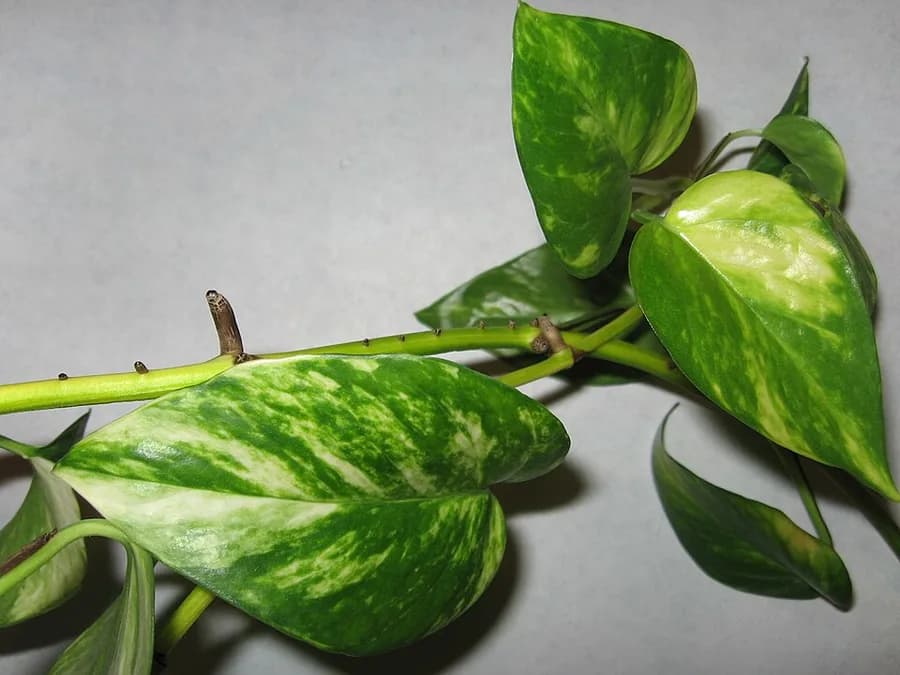
Virtually unkillable. Tolerates low light, irregular watering, and propagates easily in water.
Care guide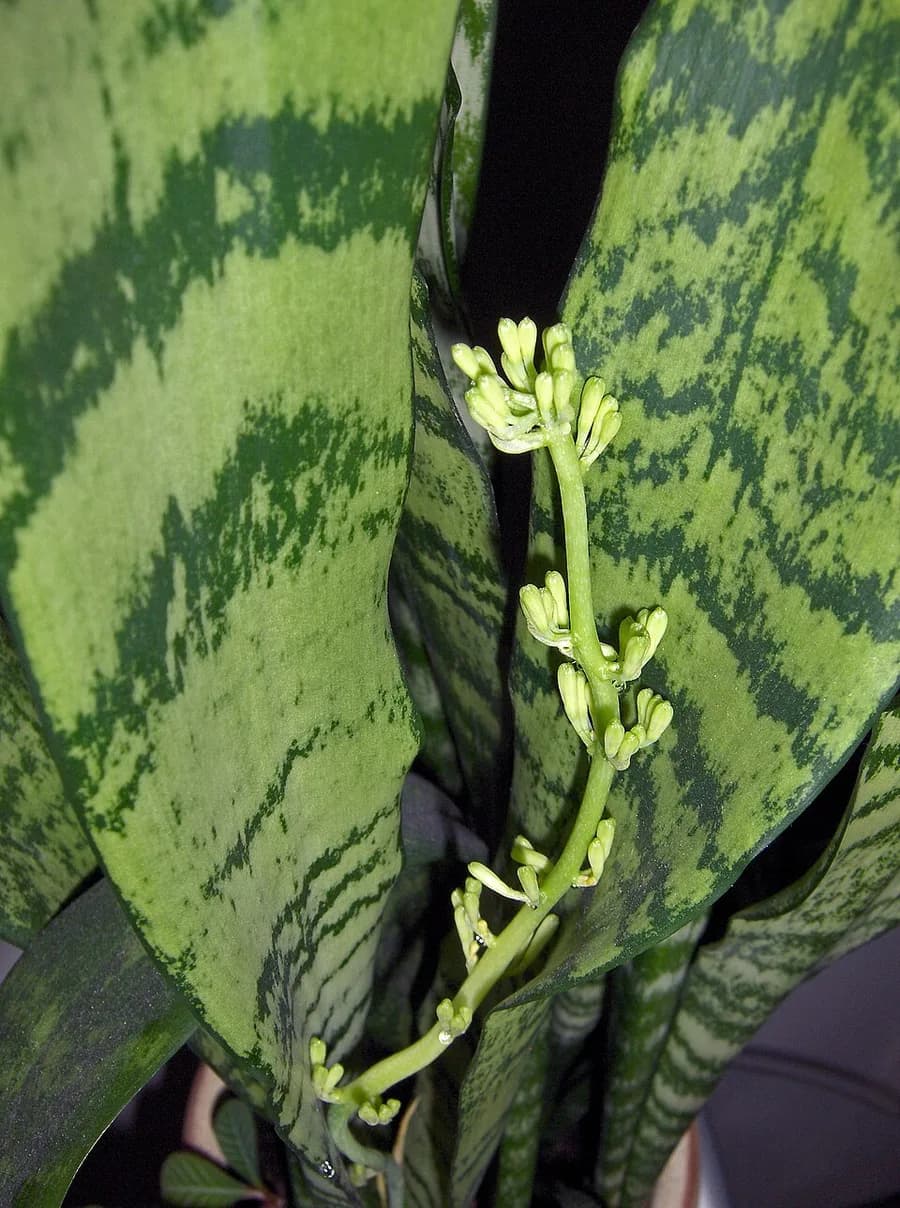
Thrives on neglect. Water once a month, place anywhere from a dark hallway to a sunny window.
Care guide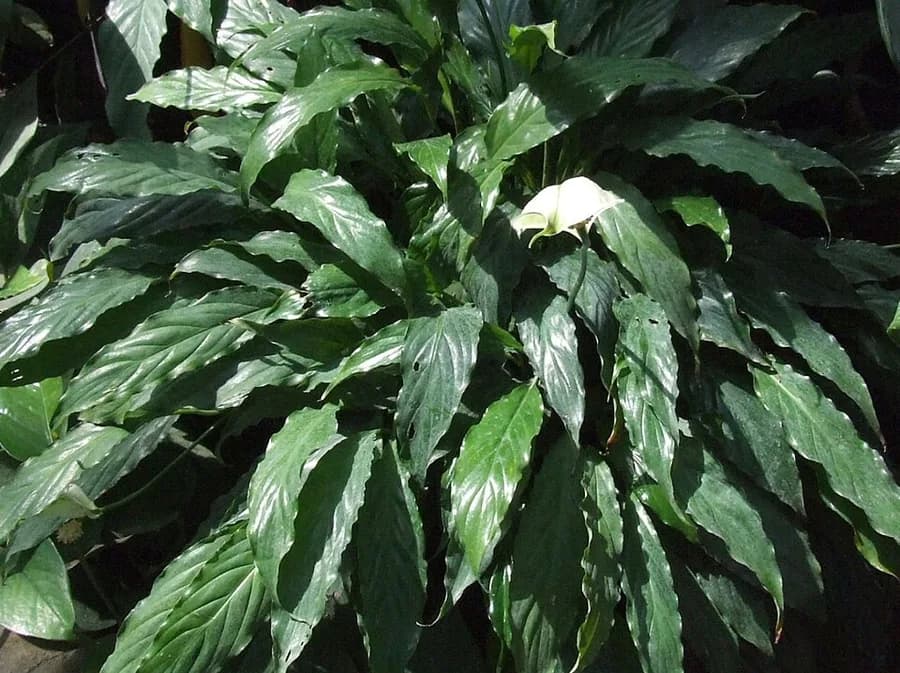
Tells you when it is thirsty by drooping. Easy to read and bounces back quickly. Blooms in low light.
Care guide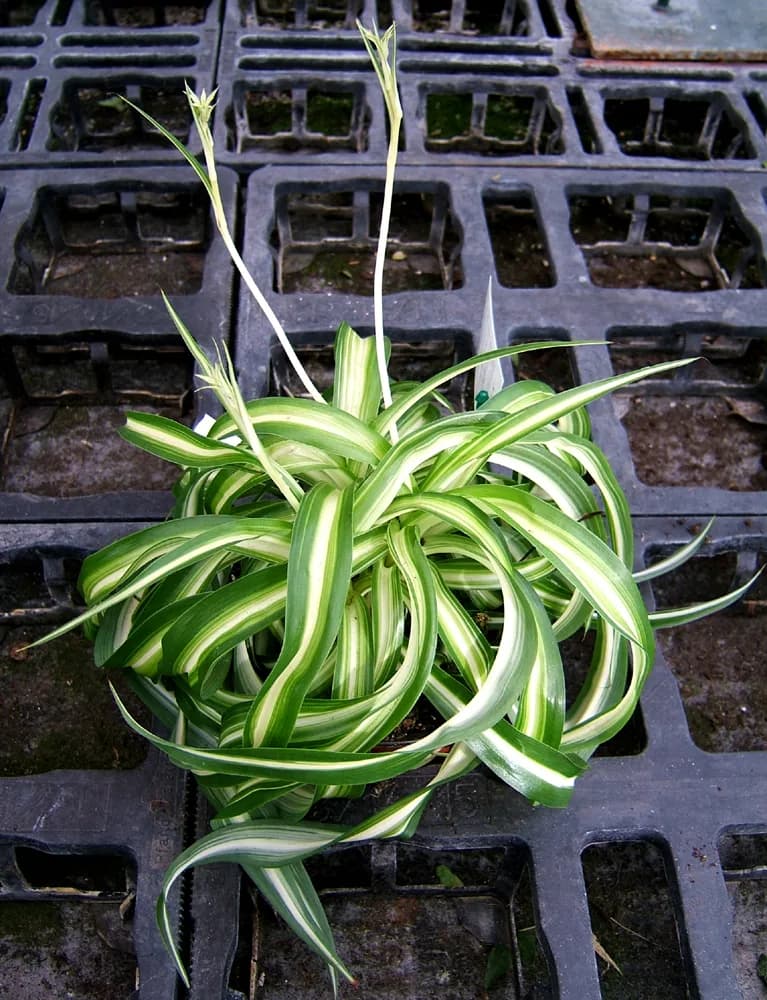
Non-toxic, pet-safe, and incredibly forgiving. Produces baby plants you can share with friends.
Care guide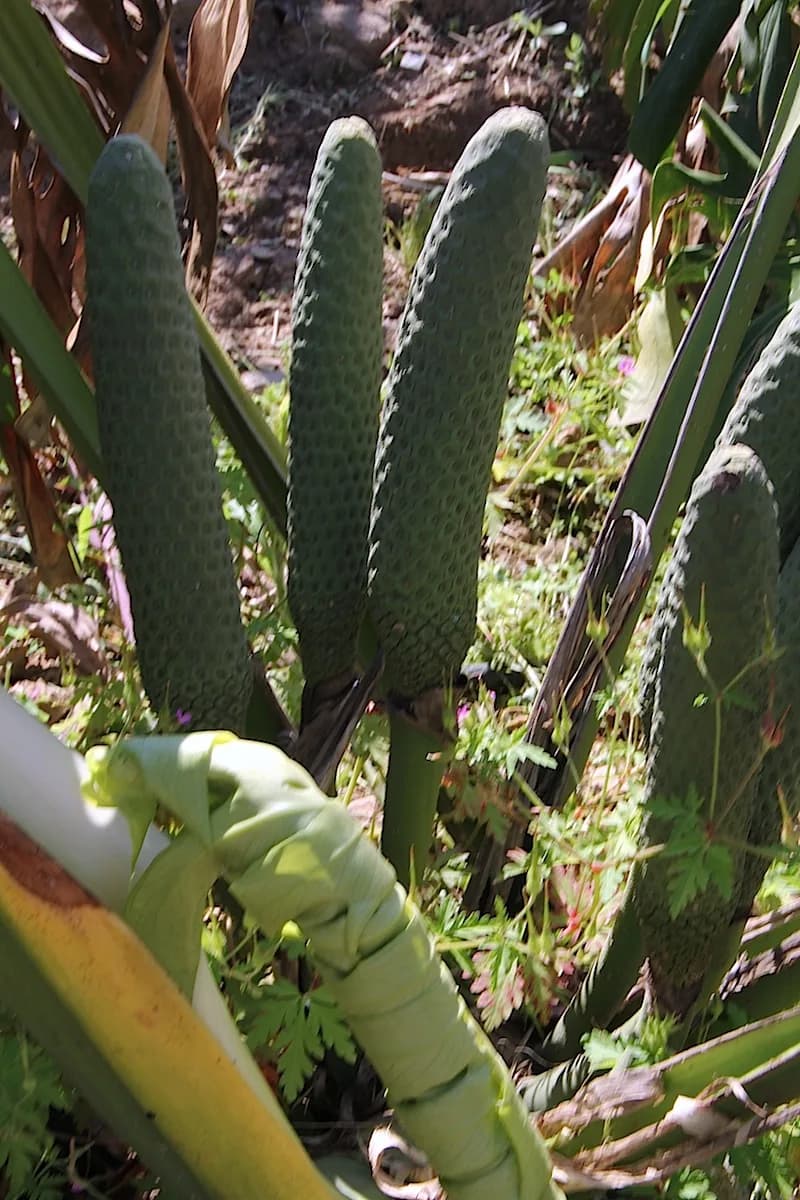
Dramatic fenestrated leaves as a reward for moderate care. A great second or third plant for beginners.
Care guideCommon Beginner Mistakes to Avoid
- Overwatering -- this is the number one killer. Always check the soil before watering.
- Choosing the wrong spot -- a low-light plant on a sunny windowsill will burn, and a sun-loving plant in a dark corner will languish.
- Using a pot without drainage holes -- trapped water leads to root rot.
- Ignoring the plant's needs -- each species is different. Read its care guide.
- Repotting too soon -- let a new plant acclimate to your home for at least two weeks before repotting.
- Over-fertilizing -- more is not better. Use half-strength fertilizer during the growing season only.
Ready to Get Started?
Explore more resources or identify a plant you already have.