Aloe Vera
Aloe barbadensis miller
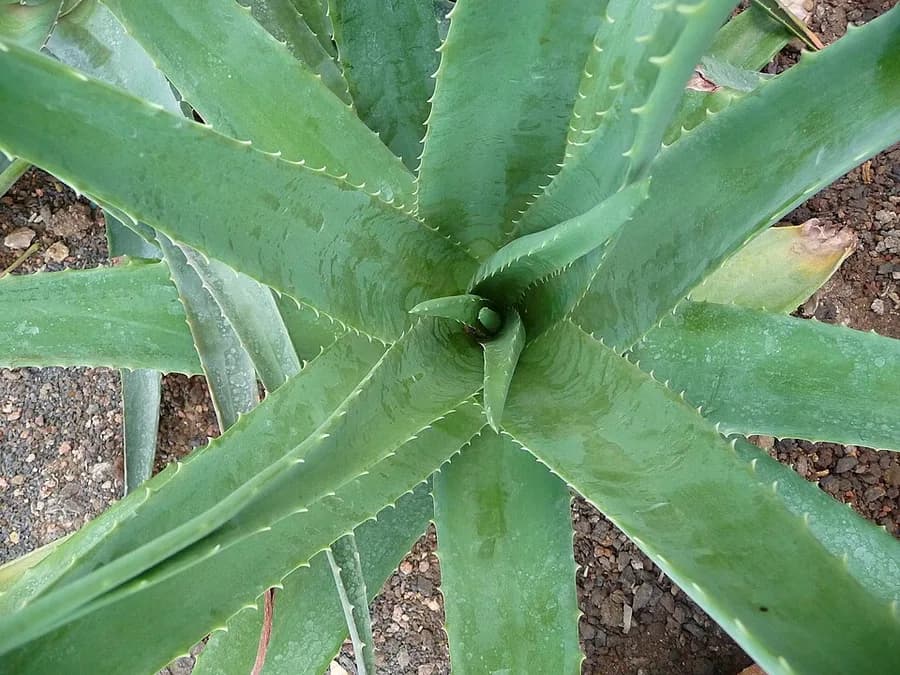
Image credit: 3268zauber · CC BY-SA 3.0 · full image credits
Light
Bright light with some direct sun
Water
Water deeply but infrequently -- every 2-3 weeks in summer
Humidity
Prefers dry air
Temp
55-80 F (13-27 C)
Toxicity
Toxic to cats and dogs
Overview
Aloe vera is a succulent with a resume: thick, serrated leaves filled with a cooling gel used on minor burns and skin irritation for thousands of years. Native to the Arabian Peninsula and cultivated worldwide, it thrives on sunny windowsills with minimal water. A healthy aloe multiplies readily, producing offset pups around its base that can be potted up and shared.
Detailed Care Guide
Give aloe the sunniest window you have -- at least 4-6 hours of bright light keeps the rosette compact and upright. Water deeply, then leave it alone until the soil is bone dry; in winter that can mean watering just once a month. Plant it in gritty cactus mix in a pot with a drainage hole, ideally terracotta. Flat, thin leaves mean the plant is thirsty; soft, mushy leaves mean it has been watered too much. If you harvest gel, take the outer (oldest) leaves first, cutting close to the base -- a mature plant easily spares a leaf every few weeks. Move the plant outside for summer sun gradually, acclimating it over a week or two to prevent sunburn.
Bright light with some direct sun. A south or west-facing windowsill is ideal. Insufficient light causes thin, floppy leaves.
Water deeply but infrequently -- every 2-3 weeks in summer, monthly in winter. Allow the soil to dry out completely between waterings. Aloe stores water in its thick leaves and rots quickly in wet soil.
Prefers dry air. Average to low household humidity is ideal. Never mist an aloe.
Cactus or succulent mix with sharp drainage. Add extra perlite or coarse sand to standard potting soil if needed. A terracotta pot helps the soil dry faster.
55-80 F (13-27 C). Can summer outdoors but must come inside before any frost. Sudden cold exposure turns leaves mushy.
Feed once or twice a year, in spring and midsummer, with a cactus fertilizer at half strength. Aloe grows well in lean soil and is easily overfed.
Common Problems
Identify and fix the most frequent issues with Aloe Vera.
Mushy, collapsing leaves
Symptoms
Leaves turn soft, water-soaked, and may flop over or fall away from the base.
Cause
Overwatering or cold damage leading to rot.
Solution
Stop watering and move the plant somewhere warm and bright. Unpot, trim any brown mushy roots, let the plant dry bare-root for a day or two, then repot in dry succulent mix.
Brown or reddish leaves
Symptoms
Leaves take on a brown, red, or bronze tint.
Cause
Sudden intense direct sun (sunburn stress) or, less often, drought stress. Some reddening in strong light is normal.
Solution
If the color change is rapid and accompanied by dry patches, move the plant slightly back from the glass or acclimate it to bright sun gradually. Water if the soil has been dry for many weeks.
Thin, curled leaves
Symptoms
Leaves look flat, thin, or curled inward instead of plump.
Cause
Underwatering -- the plant is consuming its stored moisture.
Solution
Water deeply until it drains from the pot. Leaves plump back up within a few days. Increase watering frequency slightly during hot weather.
Stretched, leggy growth
Symptoms
The rosette grows tall and sparse with widely spaced, weak leaves leaning toward the light.
Cause
Insufficient light.
Solution
Move to a sunnier window or add a grow light. Stretched growth will not compact again, but new leaves will grow properly once light improves.
Propagation
Aloe propagates almost entirely through pups -- small offsets that sprout around the base of a mature plant. When a pup is a few inches tall, unpot the plant, separate the pup with as many of its own roots as possible, let it callus for a day, then pot it in dry succulent mix. Wait about a week before the first watering to let any cuts heal. Leaf cuttings almost never succeed with aloe because the leaves are mostly water, so stick with pups.
Frequently Asked Questions
How often should I water aloe vera?
Every 2-3 weeks in spring and summer, and about once a month in winter. Always let the soil dry out completely first. Overwatering is the number one killer of aloe -- when in doubt, wait.
Can I use the gel straight from my aloe plant?
Yes, for minor topical use. Cut an outer leaf near the base, drain the yellow latex for a few minutes (it can irritate skin), then slice the leaf open and scoop the clear inner gel. Apply to minor burns or dry skin. Do not eat home-harvested gel.
Is aloe vera safe for cats and dogs?
No. Aloe is toxic to cats and dogs if ingested -- the latex in the leaves causes vomiting, diarrhea, and lethargy. Keep it on a high sunny shelf out of reach, or choose a pet-safe succulent alternative like haworthia.
Why is my aloe plant turning brown?
Rapid browning with soft spots means overwatering or cold damage. A reddish-bronze tint with firm leaves usually means intense sun exposure, which is mostly harmless. Dry, papery brown tips point to long-term underwatering.
Does aloe vera need direct sunlight?
Aloe does best with several hours of direct sun or very bright indirect light daily. A south or west windowsill is ideal indoors. In weak light the plant survives but grows thin, floppy, and pale.