Chinese Evergreen
Aglaonema commutatum
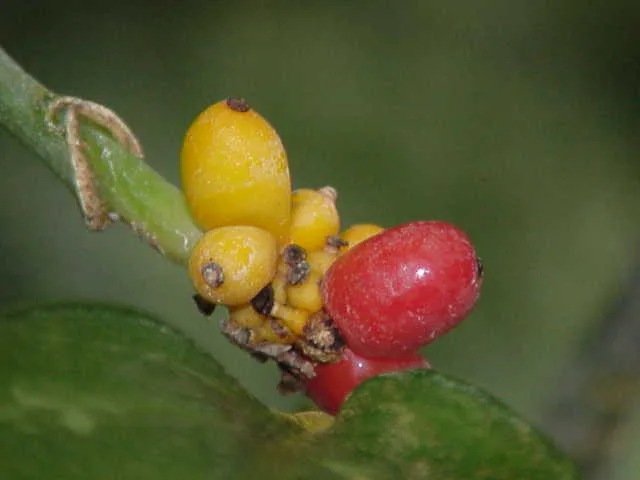
Image credit: Kurt Stüber · CC BY-SA 3.0 · full image credits
Light
Low to bright indirect light, depending on variety: the darker green types handle genuinely low light, while pink and red varieties need medium to bright indirect light to keep their color
Water
Water when the top 1-2 inches of soil are dry
Humidity
Average household humidity is acceptable; 50%+ keeps leaf edges from browning in winter
Temp
65-80 F (18-27 C)
Toxicity
Toxic to cats and dogs
Overview
Chinese evergreen may be the best-kept secret in easy houseplants: broad, patterned leaves in silver, cream, pink, or red, on a plant that tolerates low light, average humidity, and busy owners. Cultivated in Asia for centuries as a bringer of luck, aglaonemas have been bred into dozens of striking varieties. The colorful types rival crotons and calatheas for looks while demanding a fraction of the care.
Detailed Care Guide
Chinese evergreens ask mainly to be left in peace somewhere warm. Match the variety to the light: classic silver-green cultivars like 'Silver Bay' handle dim corners, while pink and red hybrids want medium to bright indirect light to stay vivid. Water when the top inch or two dries out and be stingier in winter. The one true weakness is cold -- temperatures below 60 F or a draft from a winter doorway show up as damaged, greasy-looking patches on the leaves, so choose an interior spot. Wipe the broad leaves occasionally, feed lightly in the growing season, and repot every 2-3 years. Mature plants may produce small peace-lily-like flowers; trim them to keep energy in the foliage.
Low to bright indirect light, depending on variety: the darker green types handle genuinely low light, while pink and red varieties need medium to bright indirect light to keep their color. No direct sun.
Water when the top 1-2 inches of soil are dry, roughly every 1-2 weeks. Tolerates the occasional missed watering gracefully.
Average household humidity is acceptable; 50%+ keeps leaf edges from browning in winter.
Standard well-draining potting mix with perlite. Nothing fancy required.
65-80 F (18-27 C). Genuinely cold-sensitive -- keep above 60 F and away from drafty doors and windows.
Feed monthly in spring and summer with a balanced liquid fertilizer at half strength.
Common Problems
Identify and fix the most frequent issues with Chinese Evergreen.
Yellowing leaves
Symptoms
Leaves turn yellow, typically lower ones first.
Cause
Overwatering, or normal aging of the oldest leaves.
Solution
Allow the top 2 inches of soil to dry before watering. Losing an occasional bottom leaf is normal; remove it at the base.
Brown, greasy patches after a cold night
Symptoms
Irregular dark, water-soaked patches appearing suddenly on leaves.
Cause
Cold damage -- aglaonemas are among the most cold-sensitive common houseplants.
Solution
Move the plant away from drafts, cold windows, and AC vents. Trim damaged leaves; new growth will be clean once the plant is warm.
Fading color on pink or red varieties
Symptoms
Vivid pink or red leaves grow in duller and greener.
Cause
Insufficient light for the highly variegated cultivars.
Solution
Move to medium or bright indirect light. Color intensity returns with new growth.
Brown leaf tips
Symptoms
Dry brown tips on otherwise healthy leaves.
Cause
Dry air, inconsistent watering, or tap water minerals.
Solution
Water more evenly, raise humidity slightly in winter, and consider filtered water. Trim tips cleanly.
Propagation
Divide clumping plants at repotting time, keeping several stems and roots per division. Stem cuttings also root well: cut a 4-6 inch section of stem below a node, root it in water or moist mix, and keep it warm -- roots form in 3-4 weeks. Older, leggy plants can be cut back hard; the base re-sprouts and the removed tops become new plants.
Frequently Asked Questions
Can Chinese evergreen grow in low light?
Yes -- the darker green varieties are among the best low-light houseplants available, thriving where most plants merely survive. The colorful pink and red varieties, however, need medium to bright indirect light to hold their color.
Why are my aglaonema's leaves turning yellow?
One old bottom leaf now and then is normal turnover. Several yellowing at once almost always means overwatering -- let the top couple inches of soil dry out and confirm the pot drains freely.
Is Chinese evergreen toxic to pets?
Yes, to both cats and dogs. The calcium oxalate crystals cause immediate mouth irritation, drooling, and vomiting when chewed. Keep it out of reach or choose a pet-safe alternative like calathea.
How often should I water a Chinese evergreen?
Roughly every 1-2 weeks, whenever the top inch or two of soil has dried. In low light or winter, stretch the interval longer. Aglaonemas forgive forgetfulness far more readily than overattention.
Why does my Chinese evergreen have brown patches?
Sudden dark, water-soaked patches usually mean cold exposure -- a draft, a cold windowsill, or a chilly night below 60 F. Relocate the plant somewhere consistently warm and trim the damaged leaves.