Monstera Deliciosa
Monstera deliciosa
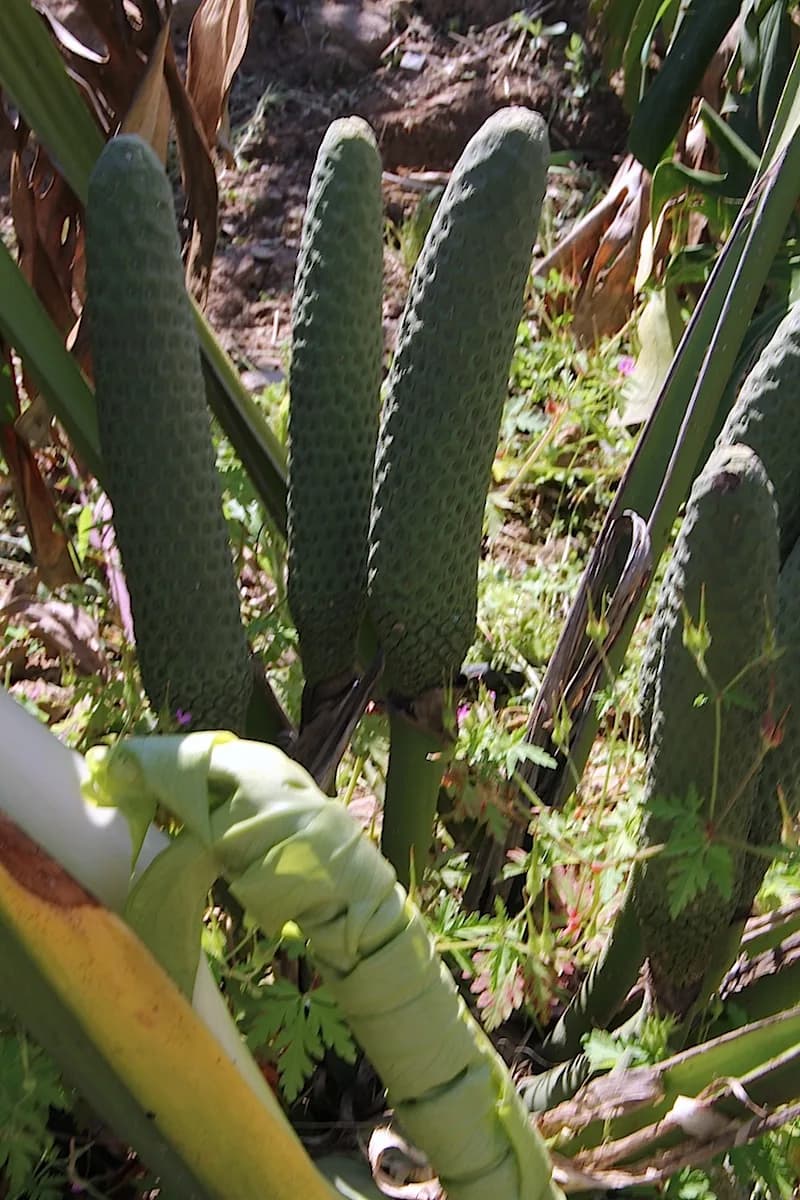
Image credit: Peter A. Mansfeld · CC BY-SA 3.0 · full image credits
Light
Bright indirect light
Water
Water when the top 2 inches of soil are dry
Humidity
Prefers 60% or higher humidity
Temp
65-85 F (18-29 C)
Toxicity
Toxic to cats and dogs
Overview
Monstera deliciosa, commonly known as the Swiss Cheese Plant, is prized for its large, fenestrated leaves. Native to the tropical rainforests of Central America, it naturally grows as an epiphytic climber beneath the forest canopy. Indoors it adapts well, growing quickly in bright indirect light. The signature leaf splits and holes develop as the plant matures.
Detailed Care Guide
Place your Monstera in bright indirect light, such as near an east-facing window. Water when the top 2 inches of soil feel dry -- roughly weekly in summer, every 2-3 weeks in winter. Humidity above 60% encourages the best growth, so consider a humidifier in dry rooms. Provide a moss pole or trellis for climbing, which promotes larger, more fenestrated leaves. Repot every 1-2 years in spring, moving up one pot size with fresh aroid mix. Wipe the large leaves regularly with a damp cloth to remove dust and keep photosynthesis efficient. Prune leggy growth in spring to encourage a fuller shape. Some yellowing of older lower leaves is normal, but widespread yellowing usually indicates overwatering.
Bright indirect light. Can tolerate a few hours of gentle morning sun, but avoid harsh afternoon direct sunlight which will scorch the leaves.
Water when the top 2 inches of soil are dry, roughly every 1-2 weeks depending on the season. Reduce watering in winter. Always allow excess water to drain completely.
Prefers 60% or higher humidity. Mist the leaves regularly, use a pebble tray, or place near a humidifier. Average household humidity (40-50%) is acceptable but not ideal.
Well-draining aroid mix. Combine standard potting soil with perlite and orchid bark in roughly equal parts. The mix should retain some moisture without becoming waterlogged.
65-85 F (18-29 C). Keep away from cold drafts and avoid temperatures below 55 F. Does not tolerate frost.
Feed monthly during spring and summer with a balanced liquid fertilizer (20-20-20) diluted to half strength. Do not fertilize in fall and winter when growth slows.
Common Problems
Identify and fix the most frequent issues with Monstera Deliciosa.
Yellow leaves
Symptoms
Leaves turning yellow, starting from the lower or older leaves. Soil may feel soggy.
Cause
Overwatering or poor drainage.
Solution
Let the soil dry out before watering again. Ensure the pot has drainage holes. Check roots for rot and trim any mushy, brown roots. Repot in fresh, well-draining mix if needed.
Brown leaf tips
Symptoms
Crispy brown edges or tips on otherwise green leaves.
Cause
Low humidity, underwatering, or salt buildup from fertilizer.
Solution
Increase humidity with a humidifier or pebble tray. Water more consistently. Flush the soil with plain water every few months to remove mineral buildup.
No fenestrations
Symptoms
New leaves emerging without the characteristic splits and holes.
Cause
Insufficient light or the plant is still juvenile.
Solution
Move to a brighter spot with indirect light. Provide a moss pole for climbing. Fenestrations typically appear once the plant is mature (2-3 years old) and getting adequate light.
Leggy growth
Symptoms
Long stems with widely spaced leaves. Plant appears stretched out.
Cause
Insufficient light causing the plant to reach toward the light source.
Solution
Move to a brighter location. Prune leggy stems and propagate the cuttings. Rotate the pot quarterly for even growth.
Root rot
Symptoms
Wilting despite moist soil, mushy brown roots, foul smell from the soil.
Cause
Overwatering, poor drainage, or too-large pot.
Solution
Remove from pot, trim all affected roots with sterile scissors, and repot in fresh aroid mix in a pot with drainage holes. Water less frequently going forward.
Propagation
Take a stem cutting that includes at least one node and ideally an aerial root. Place the cutting in a jar of water, changing the water weekly. Roots should develop within 3-6 weeks. Once roots are about an inch long, transfer to a pot with aroid mix. Rooting in damp sphagnum moss or perlite can speed the process. For larger plants, air layering is effective: wrap a node with moist sphagnum moss enclosed in plastic wrap, wait until roots develop, then cut below the rooted section and pot it up.
Frequently Asked Questions
How fast does a Monstera grow?
In good conditions (bright indirect light, proper watering, warm temperatures), Monstera can grow 1-2 feet per year. Growth slows considerably in low light or during winter. Providing a moss pole can accelerate vertical growth.
Why does my Monstera have water droplets on the leaves?
This is called guttation and is completely normal. The plant releases excess water through small pores at the leaf edges, typically overnight or in humid conditions. It is a sign the root system is healthy and actively absorbing water.
Should I give my Monstera a moss pole?
Yes, a moss pole is beneficial. In the wild, Monstera climbs trees using aerial roots. A moss pole mimics this support, encouraging the plant to produce larger, more fenestrated leaves. Secure stems to the pole with soft ties or clips.
How do I know when to repot my Monstera?
Repot when you see roots circling the bottom of the pot, growing out of drainage holes, or when the plant dries out unusually quickly. Typically this is every 1-2 years. Repot in spring using a pot one size larger with fresh aroid mix.
Can Monstera grow in low light?
Monstera can survive in low light but will grow very slowly and produce smaller leaves without fenestrations. For the best growth and signature split leaves, provide bright indirect light for at least 6 hours per day.