Peperomia
Peperomia obtusifolia
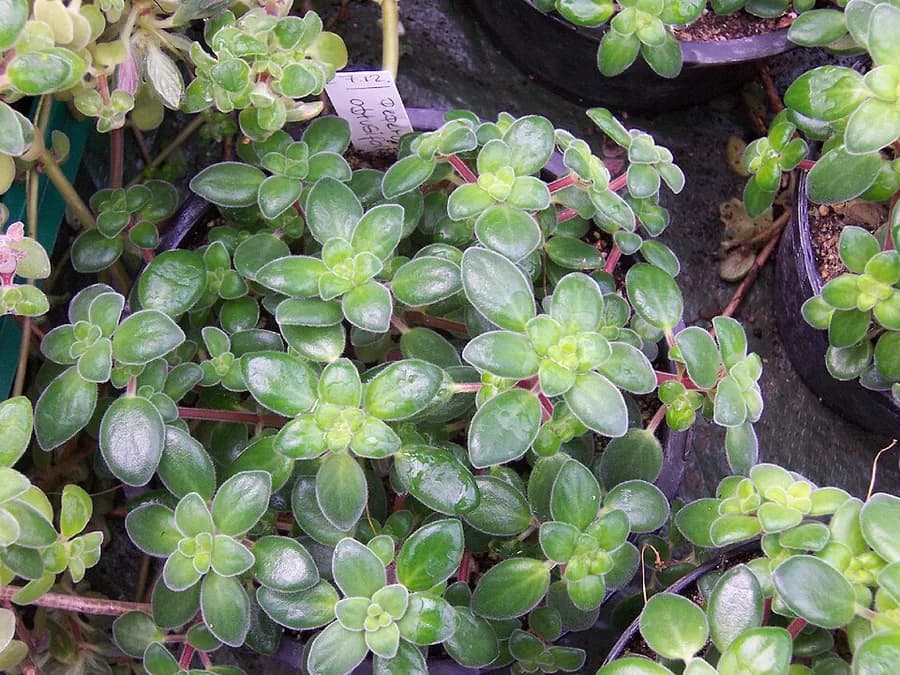
Image credit: Dysmorodrepanis · CC BY-SA 3.0 · full image credits
Light
Medium to bright indirect light
Water
Water when the top 2 inches of soil are dry
Humidity
Average household humidity is fine
Temp
65-80 F (18-27 C)
Toxicity
Non-toxic to cats and dogs
Overview
Peperomias are the compact overachievers of the houseplant world: over a thousand species of small, thick-leaved plants -- glossy baby rubber plants, rippled Peperomia caperata, striped watermelon peperomia -- that stay desk-sized, tolerate average homes, and are entirely pet-safe. Native mostly to Central and South American understories, they combine near-succulent drought tolerance with tropical looks. For small spaces, offices, and cat households, they are close to the perfect plant.
Detailed Care Guide
Treat peperomia as a semi-succulent: bright-to-medium indirect light, and water only when the top couple inches of soil have dried -- the plump leaves will forgive a late watering but not a soggy pot. Plant in a light, airy mix in a snug container; peperomias have small root systems and stay happiest slightly rootbound, needing repotting only every few years. Feed lightly in the growing season. Rotate for even growth and pinch leggy stems to keep the plant compact -- every pinched tip branches. The odd rat-tail flower spikes are normal and can be left or trimmed. Nearly all problems trace back to too much water; nearly none to too little.
Medium to bright indirect light. Tolerates fluorescent-only offices well. Variegated varieties need brighter light; avoid hot direct sun.
Water when the top 2 inches of soil are dry, every 1-2 weeks. The thick, semi-succulent leaves store water, so when in doubt, wait -- overwatering is the only common way to kill a peperomia.
Average household humidity is fine. Untroubled by dry air.
Light, airy mix -- potting soil generously amended with perlite, or an orchid-bark blend. Many peperomias grow epiphytically in the wild and want air at the roots.
65-80 F (18-27 C). Keep above 55 F.
Feed monthly in spring and summer at half strength. Light feeders.
Common Problems
Identify and fix the most frequent issues with Peperomia.
Yellowing, dropping leaves
Symptoms
Leaves yellow, feel soft, and detach easily; soil stays damp.
Cause
Overwatering -- the peperomia's one true enemy.
Solution
Let the soil dry out fully. If the stem base is firm, resume a drier schedule; if mushy, take healthy tip cuttings immediately and root them as replacements.
Wrinkled or limp leaves
Symptoms
Normally plump leaves thin, wrinkle, or droop.
Cause
Underwatering past the plant's generous reserves, or root damage from earlier overwatering.
Solution
Dry soil: water thoroughly -- leaves firm up in a day or two. Damp soil: inspect roots and repot into airy mix after trimming any rot.
Leggy, stretched stems
Symptoms
Long stems with widely spaced leaves reaching toward the light.
Cause
Insufficient light.
Solution
Move brighter and pinch the stretched stems back -- they branch at the cut, and the tips root easily as cuttings.
Corky bumps under leaves
Symptoms
Rough, corky spots on leaf undersides.
Cause
Edema -- cells bursting from water absorbed faster than used, usually in cool, damp conditions.
Solution
Water less and improve light and air circulation. Existing marks are permanent but new leaves grow in clean.
Propagation
Among the easiest: stem cuttings with a leaf or two root in water or moist mix within a few weeks. Many varieties also propagate from a single leaf -- insert the stalk (or even half a leaf, cut edge down) into moist mix, keep humid and warm, and plantlets sprout at the base in 4-8 weeks. Spring and summer give the fastest results.
Frequently Asked Questions
Are peperomias safe for cats?
Yes -- peperomias are non-toxic to cats and dogs across the whole genus, from baby rubber plant to watermelon peperomia. They are one of the safest plant families for pet households.
How often should I water a peperomia?
Every 1-2 weeks, once the top 2 inches of soil have dried. The thick leaves store water like a succulent's, so a late watering is harmless while a constantly wet pot is fatal. When unsure, wait.
Why is my peperomia dropping leaves?
Soft, yellowing leaves that drop point to overwatering; firm leaves dropping after a move point to shock; wrinkled leaves point to thirst. Check the soil moisture first -- it distinguishes the causes instantly.
Do peperomias like small pots?
Yes. Their root systems are naturally small, and they perform best slightly rootbound in a light, airy mix. Repot only every 2-3 years, going up just one pot size.
What are the spikes growing from my peperomia?
Those slender 'rat tail' spikes are the flowers -- unshowy but completely normal and a sign of a content plant. Leave them or snip them off; it makes no difference to the plant's health.