Bird of Paradise
Strelitzia nicolai
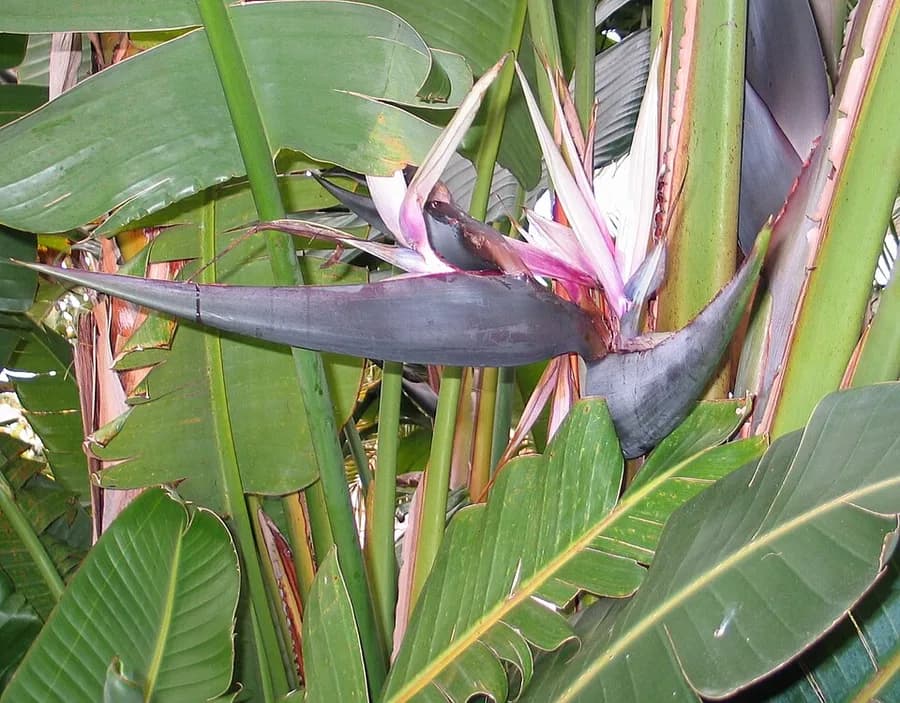
Image credit: User:ShineB · CC BY-SA 3.0 · full image credits
Light
As much light as you can offer -- bright indirect light with several hours of direct sun
Water
Water when the top 2 inches of soil are dry
Humidity
Prefers 50%+ humidity but adapts to average homes
Temp
65-85 F (18-29 C)
Toxicity
Mildly toxic to cats and dogs
Overview
Bird of paradise is the houseplant for people who want a tree-sized statement: paddle-shaped leaves the size of banana leaves rising on tall stalks, evoking a hotel lobby in the tropics. Native to South Africa, Strelitzia nicolai can push past 6 feet indoors within a few years given serious light. Indoors it rarely produces its famous crane-like flowers, but the foliage alone earns its place. It needs sun, food, and room -- give it all three and it grows startlingly fast.
Detailed Care Guide
Light is everything with bird of paradise: park it at your sunniest window, ideally with several hours of direct sun, and rotate it every week or two. Water when the top couple of inches dry out, more frequently in summer when the plant is pushing new leaves, and feed generously through the growing season. The giant leaves split naturally along their edges in response to air movement and handling -- in the wild this protects them from wind, so a few splits are character, not damage. Wipe or shower the leaves monthly. Repot young plants annually in spring; mature plants flower (rarely, indoors) and grow best slightly rootbound in a heavy pot that resists tipping. Summers outdoors accelerate growth dramatically -- acclimate to direct sun over two weeks.
As much light as you can offer -- bright indirect light with several hours of direct sun. A large south or west-facing window is ideal. This is not a low-light plant.
Water when the top 2 inches of soil are dry, typically weekly in summer. These are thirsty plants in growth but still need the soil to breathe -- never leave them standing in water.
Prefers 50%+ humidity but adapts to average homes. Occasional showers keep the enormous leaves clean and supple.
Rich, well-draining mix -- quality potting soil with added perlite and compost or worm castings suits its appetite.
65-85 F (18-29 C). Keep above 55 F. Loves summering outdoors in warmth once acclimated.
Feed every 2-3 weeks during spring and summer with a balanced liquid fertilizer. Big leaves demand real nutrition; underfed plants stall.
Common Problems
Identify and fix the most frequent issues with Bird of Paradise.
Splitting leaves
Symptoms
Clean tears along the leaf veins, from the edge inward.
Cause
Natural behavior -- the leaves are designed to split in wind. Indoors, splits come from handling, drafts, and low humidity.
Solution
No treatment needed; splits do not harm the plant. To minimize them, raise humidity and place the plant away from high-traffic brushing and strong fans.
Leaves not unfurling
Symptoms
A new leaf spear stays rolled shut for weeks.
Cause
Low humidity, underwatering, or insufficient light slowing the plant down.
Solution
Increase humidity, keep watering consistent, and be patient -- new leaves can take several weeks. Do not force a leaf open by hand; if truly stuck, mist the spear to soften it.
Yellowing leaves
Symptoms
Leaves yellow from the oldest outward, or several at once.
Cause
Overwatering if widespread; natural aging if only the oldest leaf occasionally.
Solution
Check that the soil dries partly between waterings and the pot drains. Cut spent leaves at the base -- the plant continually replaces them.
Browning edges
Symptoms
Leaf edges dry out and brown.
Cause
Underwatering, low humidity, or salt buildup from heavy feeding.
Solution
Water deeply and consistently, flush the soil with plain water every couple of months, and trim the browned edges with scissors.
No growth
Symptoms
Months pass without a new leaf during the growing season.
Cause
Insufficient light or nutrition -- the two things this plant refuses to compromise on.
Solution
Move to the brightest spot available and begin regular feeding. Growth resumes quickly once light and food match the plant's appetite.
Propagation
Divide mature, multi-stemmed plants in spring: unpot, separate a side shoot with its own roots using a clean sharp knife, and pot it in fresh mix. Divisions sulk for a few weeks, then establish. Seed is possible but slow -- germination takes months and a seedling needs several years to reach statement size. There are no stem or leaf cuttings with Strelitzia.
Frequently Asked Questions
Why are my bird of paradise leaves splitting?
Splitting is built into the leaf's design -- in the wild, splits let wind pass through without toppling the plant. Indoors, handling, drafts, and dry air cause the same tears. It is cosmetic and completely normal; healthy new leaves keep coming.
Will my bird of paradise flower indoors?
Rarely. Flowering demands a mature plant (often 4-6+ years old), abundant direct light, and a slightly rootbound pot. Most indoor growers keep Strelitzia for the dramatic foliage and treat any flower as a bonus.
How fast does a bird of paradise grow?
Fast, for a big plant -- with strong light and regular feeding, expect several new leaves per season and noticeable height gain each year. In dim light it essentially pauses, which is the most common complaint.
Is bird of paradise safe for pets?
No -- the foliage is mildly toxic to cats and dogs, causing nausea and vomiting if chewed, and the flowers and seeds are more potent. Its size usually keeps leaves at pet height, so consider placement carefully.
How much light does a bird of paradise need indoors?
More than almost any common houseplant: bright light all day with several hours of direct sun. Directly in front of an unobstructed south or west window is the realistic minimum for steady growth.