Best Bedroom Plants
The right bedroom plants do more than add greenery — they purify the air and some even release oxygen at night. Discover easy-to-care-for species that thrive in low light and create a calming atmosphere for better sleep.
Typical Bedroom Conditions
Light
Moderate to low indirect light, usually from one or two windows.
Humidity
Average (40-50%). May be lower with heating or air conditioning.
Temperature
65-72°F (18-22°C). Comfortable sleeping temperature suits most plants.
Challenges
Limited light, drafts from night cooling, need for quiet low-maintenance plants.
Top 10 Bedroom Plants

Produces oxygen at night through CAM photosynthesis, making it the top choice for bedrooms. Thrives in low light with minimal care.
Care guide
An excellent air purifier that increases humidity through transpiration. Thrives in the low light typical of bedrooms.
Care guide
Cascading vines add a calming, natural presence to shelves and nightstands with virtually zero maintenance.
Care guideIts calming fragrance has been shown to promote relaxation and improve sleep quality. Place on a sunny windowsill.

Emits oxygen at night and requires very infrequent watering. Also useful for soothing minor skin irritations.
Care guide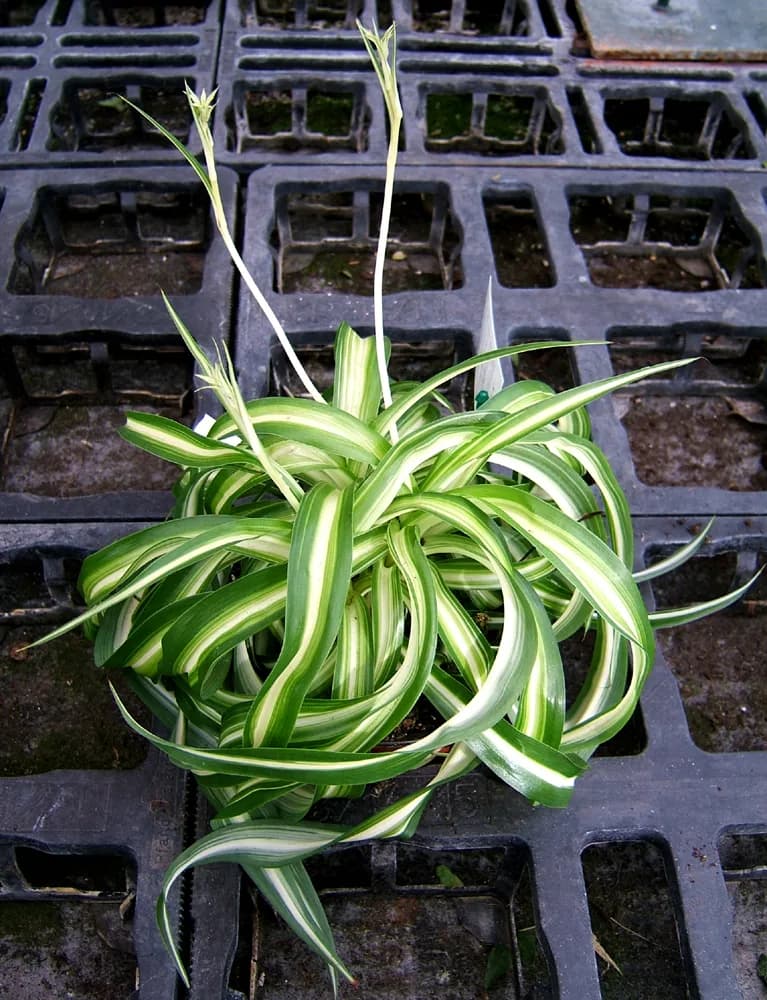
Non-toxic, easy to grow, and one of the best air-purifying houseplants. Safe for homes with pets.
Care guide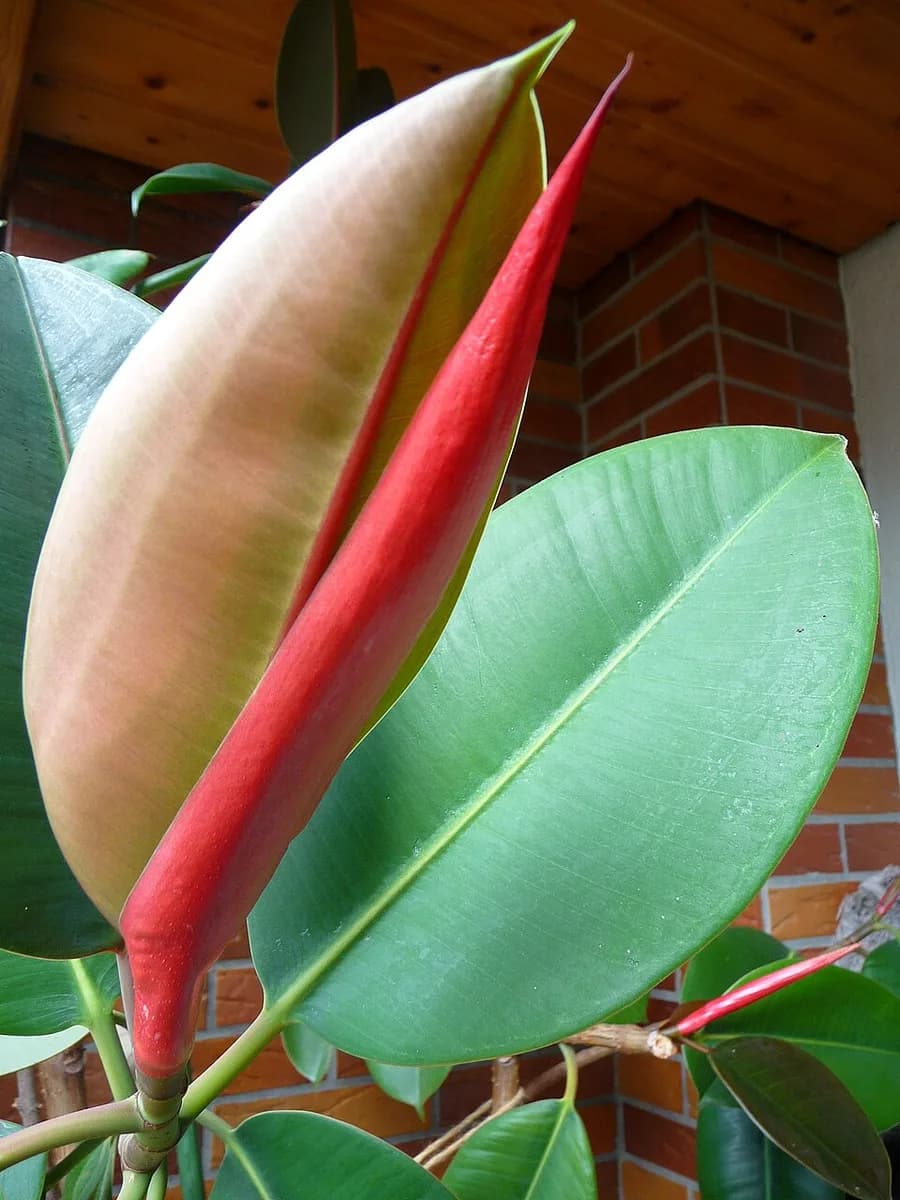
Large glossy leaves absorb indoor pollutants effectively. Adds a sculptural, modern element to bedrooms.
Care guide
A natural humidifier that adds lush texture. Thrives in the moderate indirect light most bedrooms offer.
Care guide
Trailing vine that filters airborne mold and allergens. Studies suggest it can improve air quality while you sleep.
Care guideThe sweet fragrance of jasmine flowers has been associated with improved sleep quality and reduced anxiety.
Bedroom Plant Care Tips
- 1Choose plants that release oxygen at night, such as Snake Plant and Aloe Vera, for potential sleep benefits.
- 2Avoid heavily scented flowering plants if you are sensitive to fragrances while sleeping.
- 3Place plants on stable surfaces or use wall-mounted planters so they are not knocked over.
- 4Water in the morning to avoid excess moisture lingering overnight in cool bedroom air.
- 5Keep bedroom plants clean and free of dead leaves to prevent mold growth near your sleeping area.
- 6If pets sleep in your bedroom, choose non-toxic varieties like Spider Plant or Boston Fern.