Peace Lily
Spathiphyllum wallisii
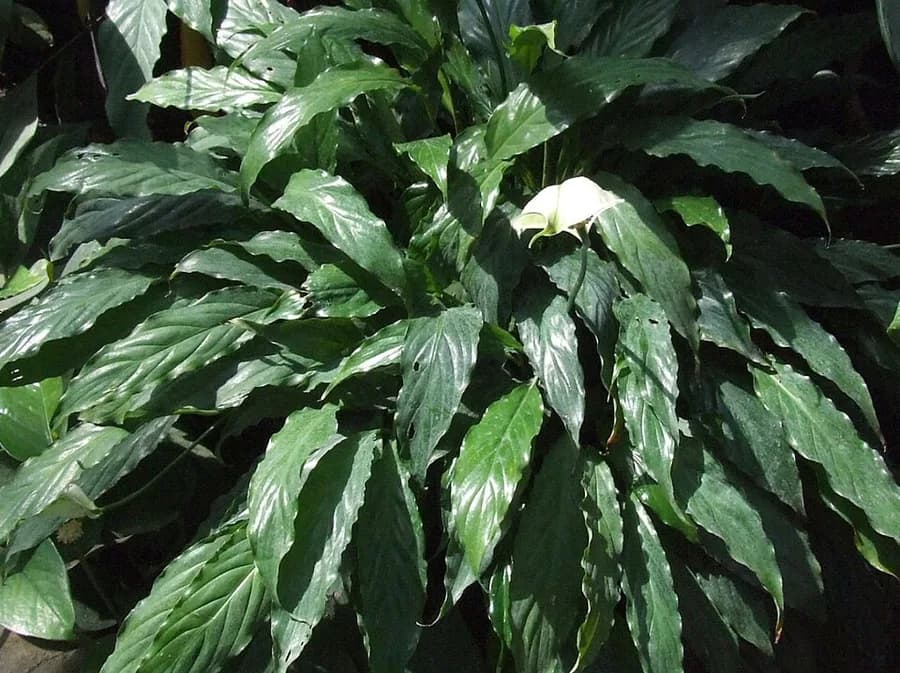
Image credit: Jerzy Opioła · CC BY-SA 4.0 · full image credits
Light
Low to medium indirect light
Water
Water when the top inch of soil is dry. Peace lilies are communicative -- they will visibly droop when thirsty and perk up within hours of watering. Water thoroughly and allow excess to drain.
Humidity
Prefers higher humidity (50%+) but tolerates average household levels
Temp
65-80 F (18-27 C)
Toxicity
Toxic to cats and dogs
Overview
The peace lily is valued for its elegant white spathes and glossy dark green foliage. Native to tropical regions of the Americas and Southeast Asia, it is one of the few flowering houseplants that thrives in low light. Peace lilies are also effective air purifiers, filtering pollutants including ammonia, formaldehyde, and benzene.
Detailed Care Guide
Peace lilies excel in low-light spaces like offices, basements, and north-facing rooms. Water when the top inch of soil is dry -- the plant will droop visibly when thirsty and recover within hours of watering, though repeated wilting stresses the root system. For more blooms, provide brighter indirect light and cooler nighttime temperatures around 60 F to mimic seasonal changes. Trim spent flower stalks at the base. Yellowing of older lower leaves is normal and can be pruned away. Use filtered or distilled water to reduce brown leaf tips. Repot every 1-2 years in spring when the plant dries out faster than usual, indicating it has outgrown its container.
Low to medium indirect light. One of the best low-light houseplants. Bright indirect light encourages blooming but is not required for healthy foliage. Avoid direct sunlight which scorches the leaves.
Water when the top inch of soil is dry. Peace lilies are communicative -- they will visibly droop when thirsty and perk up within hours of watering. Water thoroughly and allow excess to drain.
Prefers higher humidity (50%+) but tolerates average household levels. Brown leaf tips often indicate the air is too dry. Misting, a pebble tray, or a nearby humidifier helps.
Standard well-draining potting mix. A blend of peat-based potting soil with perlite works well. The soil should retain some moisture without becoming waterlogged.
65-80 F (18-27 C). Sensitive to cold; avoid temperatures below 55 F and keep away from cold drafts and air-conditioning vents.
Feed every 6-8 weeks during spring and summer with a balanced liquid fertilizer at half strength. Over-fertilizing causes brown leaf tips and can prevent blooming. No feeding in fall and winter.
Common Problems
Identify and fix the most frequent issues with Peace Lily.
Brown leaf tips
Symptoms
Tips and edges of leaves turning brown and papery.
Cause
Low humidity, fluoride or chlorine in tap water, or over-fertilizing.
Solution
Use filtered or distilled water. Increase humidity with a pebble tray or humidifier. Reduce fertilizer frequency. Trim brown tips with clean scissors.
Not blooming
Symptoms
Healthy green foliage but no white flowers for an extended period.
Cause
Insufficient light, immature plant, or lacking a winter rest period.
Solution
Move to a slightly brighter spot (still indirect). Ensure the plant gets cooler nighttime temperatures in winter. Plants must be mature (about 1 year old) to bloom. Some varieties bloom more readily than others.
Yellowing leaves
Symptoms
Leaves turning yellow, sometimes starting from the edges.
Cause
Overwatering, natural aging of older leaves, or too much direct sun.
Solution
If widespread, check watering habits and ensure drainage is adequate. If only older lower leaves, this is normal -- prune them. Move away from direct sun if applicable.
Drooping leaves
Symptoms
All leaves and stems suddenly droop and hang limply.
Cause
Underwatering (most common), cold exposure, or root rot.
Solution
Water immediately if soil is dry -- the plant usually perks up within a few hours. If soil is wet and the plant is still drooping, check for root rot. Ensure the plant is not in a cold draft.
Green flowers
Symptoms
White spathes turning green instead of staying white.
Cause
Too much light or the flower is aging naturally.
Solution
Flowers naturally turn green as they age and should be pruned at the base. If new flowers open green, reduce light slightly. This is cosmetic and does not harm the plant.
Propagation
Propagate by division during spring repotting. Carefully remove the plant from its pot and separate the root ball into sections, ensuring each division has several leaves and a healthy root system. Pot each section in fresh soil, water well, and keep in a warm spot with indirect light for a few weeks while the roots establish. Peace lilies cannot be propagated from leaf or stem cuttings.
Frequently Asked Questions
Are peace lilies good for bedrooms?
Peace lilies are excellent bedroom plants. They thrive in low light, help filter indoor air pollutants, and release moisture into the air through transpiration, which can slightly boost humidity while you sleep. Just ensure they are placed out of reach of pets.
How long do peace lily flowers last?
Individual peace lily blooms (spathes) last about 4-6 weeks before gradually turning green and fading. A healthy, mature plant in adequate light can produce blooms several times a year, typically in spring and occasionally in fall.
Can peace lilies grow in water?
Yes, peace lilies can grow hydroponically. Rinse all soil off the roots, place in a vase or container with the roots submerged and leaves above water. Use distilled water and change it weekly. Add a diluted liquid fertilizer monthly.
Why are my peace lily leaves turning black?
Black leaves usually indicate cold damage or severe overwatering leading to root rot. Move the plant away from cold drafts and check the roots. Trim any black, mushy roots and repot in fresh soil. Reduce watering frequency.
How big do peace lilies get indoors?
Most common peace lily varieties reach 1-3 feet tall and wide indoors. The Sensation variety can grow up to 4-6 feet. Size is influenced by pot size, light levels, and variety. They reach full size within 3-5 years.