Chinese Money Plant
Pilea peperomioides
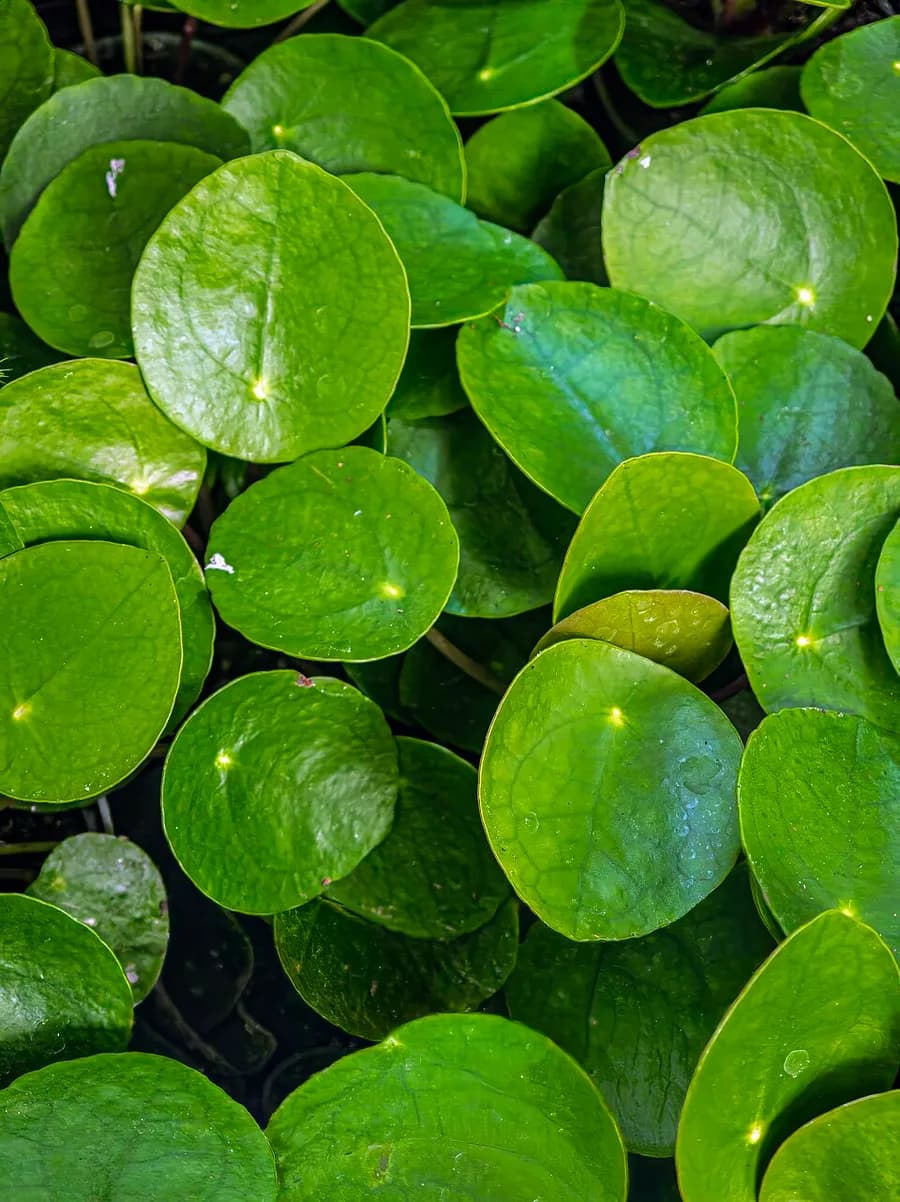
Image credit: Didier Descouens · CC BY-SA 4.0 · full image credits
Light
Bright indirect light
Water
Water when the top 1-2 inches of soil are dry
Humidity
Average household humidity (40-50%) is fine
Temp
60-80 F (15-27 C)
Toxicity
Non-toxic to cats and dogs
Overview
The Chinese money plant is instantly recognizable: round, coin-shaped leaves on slender stems radiating from a central stalk, like a bouquet of green pancakes. Native to the Yunnan province of China, it spread across the world largely by cuttings passed between friends -- earning the nicknames 'friendship plant' and 'pass-along plant.' It is fast-growing, pet-safe, and generous with baby plants, making it one of the most shareable houseplants you can own.
Detailed Care Guide
Give your pilea bright indirect light and rotate the pot a quarter turn every time you water -- the leaves track the light aggressively, and rotation is the difference between a balanced dome and a lopsided lean. Water when the top inch or two of soil dries out; the leaves droop subtly when thirsty and firm up after a drink. Plant it in airy, well-draining mix, and feed monthly through the growing season. Healthy plants continually push out pups from the soil and from the trunk; leave them for a fuller pot or cut them away to share. Dropping a few of the lowest leaves as the trunk extends is normal aging, not disease. Wipe the flat leaves now and then -- dust shows readily on them.
Bright indirect light. The pancake-shaped leaves angle sharply toward the light source, so rotate the pot with every watering to keep the plant symmetrical. Avoid harsh direct sun.
Water when the top 1-2 inches of soil are dry, roughly weekly in summer. Slightly drooping leaves signal thirst. Reduce watering in winter.
Average household humidity (40-50%) is fine. No special measures needed.
Well-draining potting mix with added perlite. Soggy soil quickly leads to root rot and dropped leaves.
60-80 F (15-27 C). A brief cool spell in winter (around 50-55 F) can encourage the plant to flower, but avoid frost and cold drafts.
Feed monthly in spring and summer with a balanced liquid fertilizer at half strength. Pale or small new leaves often mean it is hungry.
Common Problems
Identify and fix the most frequent issues with Chinese Money Plant.
Curling or doming leaves
Symptoms
Leaves cup inward or dome outward instead of laying flat.
Cause
Usually a light issue -- too little light causes doming as leaves stretch; too much light plus heat causes cupping. Watering extremes contribute.
Solution
Aim for bright indirect light and even moisture. New leaves grow flatter once conditions stabilize; older curled leaves may not fully flatten.
Yellowing lower leaves
Symptoms
The oldest, lowest leaves turn yellow and drop.
Cause
A few at a time is natural aging as the trunk grows. Many at once suggests overwatering.
Solution
If widespread, let the soil dry further between waterings and check drainage. Remove spent leaves at the stem.
Leaning tower
Symptoms
The whole plant tilts hard toward the window.
Cause
Phototropism -- pileas chase light more visibly than most plants.
Solution
Rotate the pot 90 degrees at every watering. A severely leaning trunk can be staked or the top can be cut and re-rooted for a fresh start.
White crusty spots under leaves
Symptoms
Small white or cream granules on the leaf undersides.
Cause
Usually harmless mineral excretions from the leaf pores, especially with hard tap water. Occasionally confused with pests.
Solution
Wipe the leaves and switch to filtered water if the deposits bother you. Check with a magnifier to rule out insects -- mineral spots do not move.
Propagation
Pileas practically propagate themselves. The mother plant sends up pups from the soil and small plantlets from the trunk. Once a soil pup is 2-3 inches tall, follow its stem below the soil line and sever it with a clean knife, keeping some roots attached, then pot it up. Trunk plantlets can be cut off and rooted in water for a few weeks before potting. Spring and summer separations establish fastest.
Frequently Asked Questions
Why is my pilea dropping leaves?
Losing an occasional bottom leaf as the trunk grows is normal. Rapid or widespread drop usually means overwatering -- check that the soil dries out between drinks and that the pot drains. Sudden cold exposure also triggers leaf drop.
How do I get pups from my Chinese money plant?
A healthy, established plant in bright indirect light produces pups on its own, usually within a year. Slightly rootbound plants in their second year are the most prolific. Be patient with young plants -- pups come with maturity.
Is the Chinese money plant safe for pets?
Yes, Pilea peperomioides is non-toxic to cats and dogs, making it one of the best sculptural plants for pet owners.
Why are my pilea's leaves curling?
Leaf curl in pileas is most often about light: doming and stretching in dim spots, cupping in hot bright ones. Move it to steady bright indirect light and keep watering even. Judge success by the shape of new leaves.
Should I rotate my pilea?
Yes -- a quarter turn at every watering. Pileas angle their leaves toward the window faster than almost any houseplant, and regular rotation is what keeps that satisfying round, symmetrical shape.