Best Air Purifying Plants
Indoor air can contain pollutants from furniture, cleaning products, and building materials. Certain houseplants filter toxins like formaldehyde, benzene, and volatile organic compounds through their leaves and root systems. These are the most effective species for improving indoor air quality.
How Plants Purify Air
Plants absorb gases, including volatile organic compounds, through tiny pores (stomata) on their leaves. Beneficial microorganisms in the soil break down harmful substances at the root level. While a single plant has limited impact, grouping several plants throughout a room can noticeably improve air quality — especially when combined with good ventilation.
Top 10 Air Purifying Indoor Plants
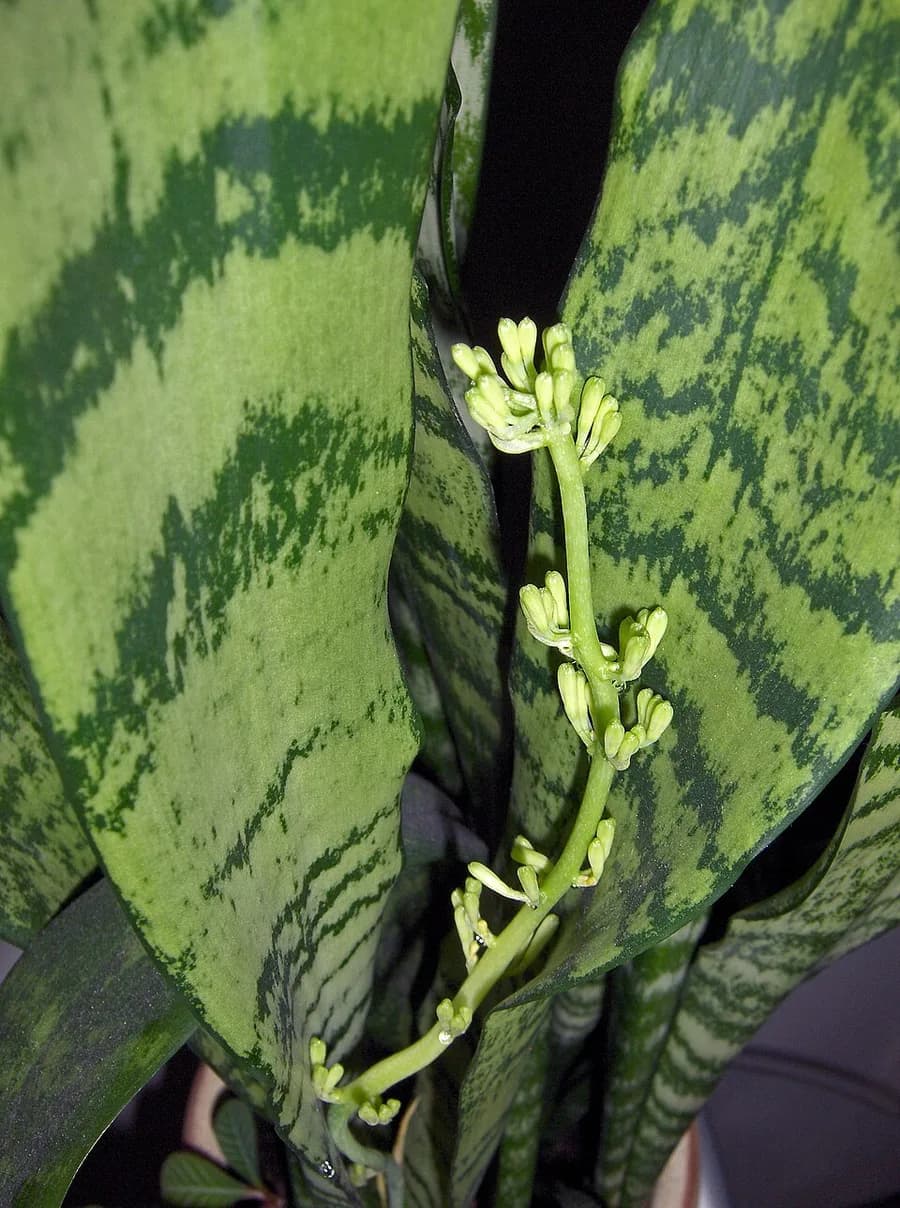
Filters
Formaldehyde, benzene, trichloroethylene, xylene, toluene
Uniquely performs CAM photosynthesis, releasing oxygen at night. Ideal for bedrooms.
Care guide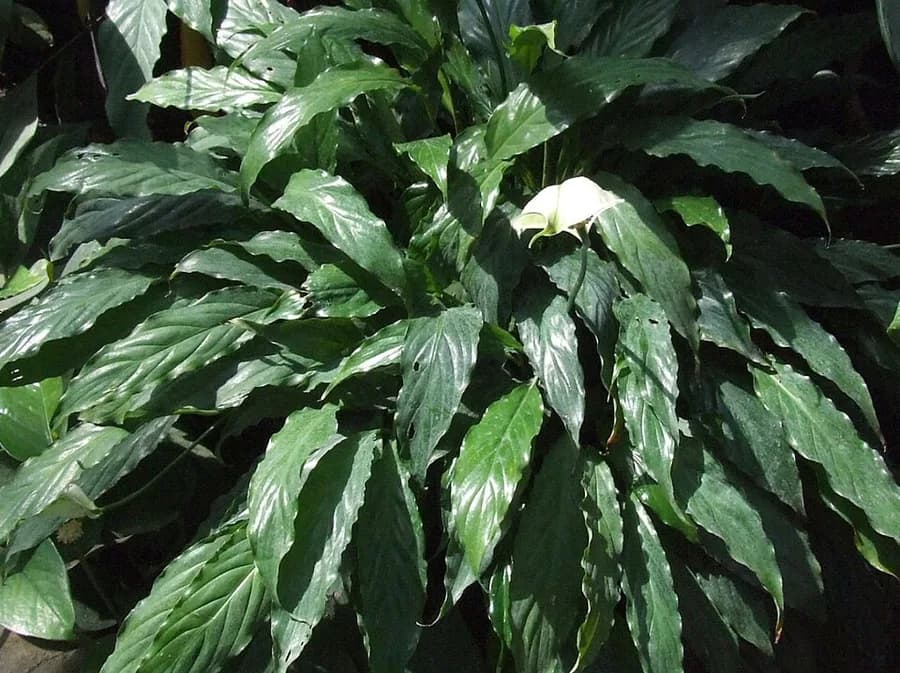
Filters
Ammonia, formaldehyde, benzene, trichloroethylene
One of the few flowering air purifiers. Also increases humidity through transpiration.
Care guide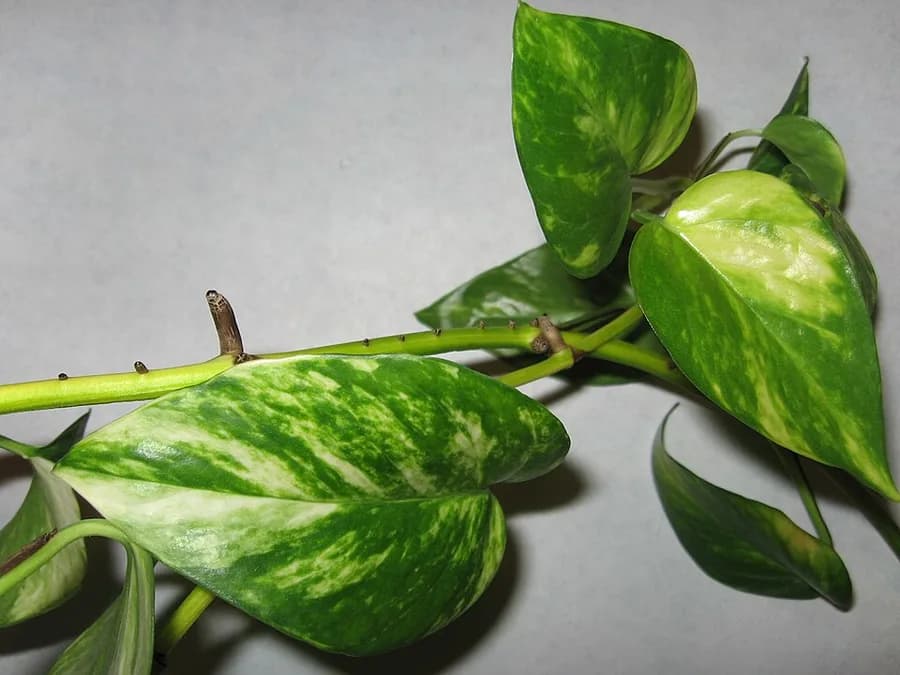
Filters
Formaldehyde, xylene, toluene, benzene, carbon monoxide
Extremely easy to grow and effective at removing common indoor pollutants.
Care guide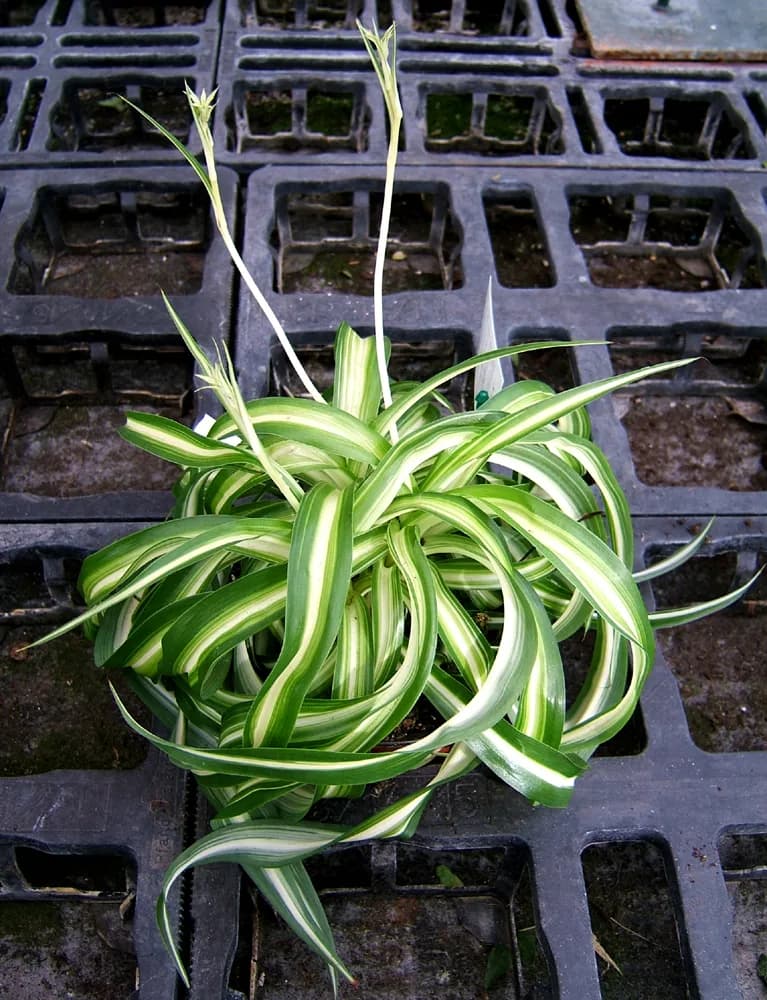
Filters
Formaldehyde, xylene, carbon monoxide
Non-toxic to pets and one of the most studied air-purifying plants. Produces plantlets you can share.
Care guide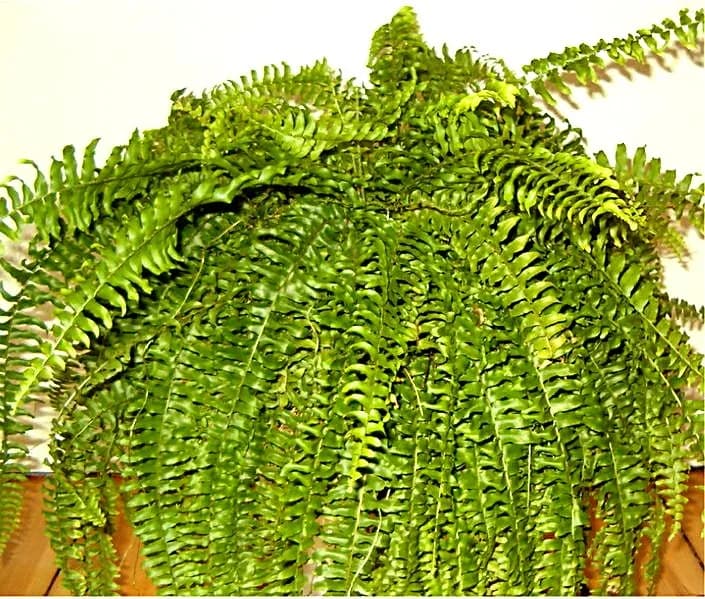
Filters
Formaldehyde, xylene, toluene
A natural humidifier that also filters pollutants. Thrives in bathrooms and shaded areas.
Care guide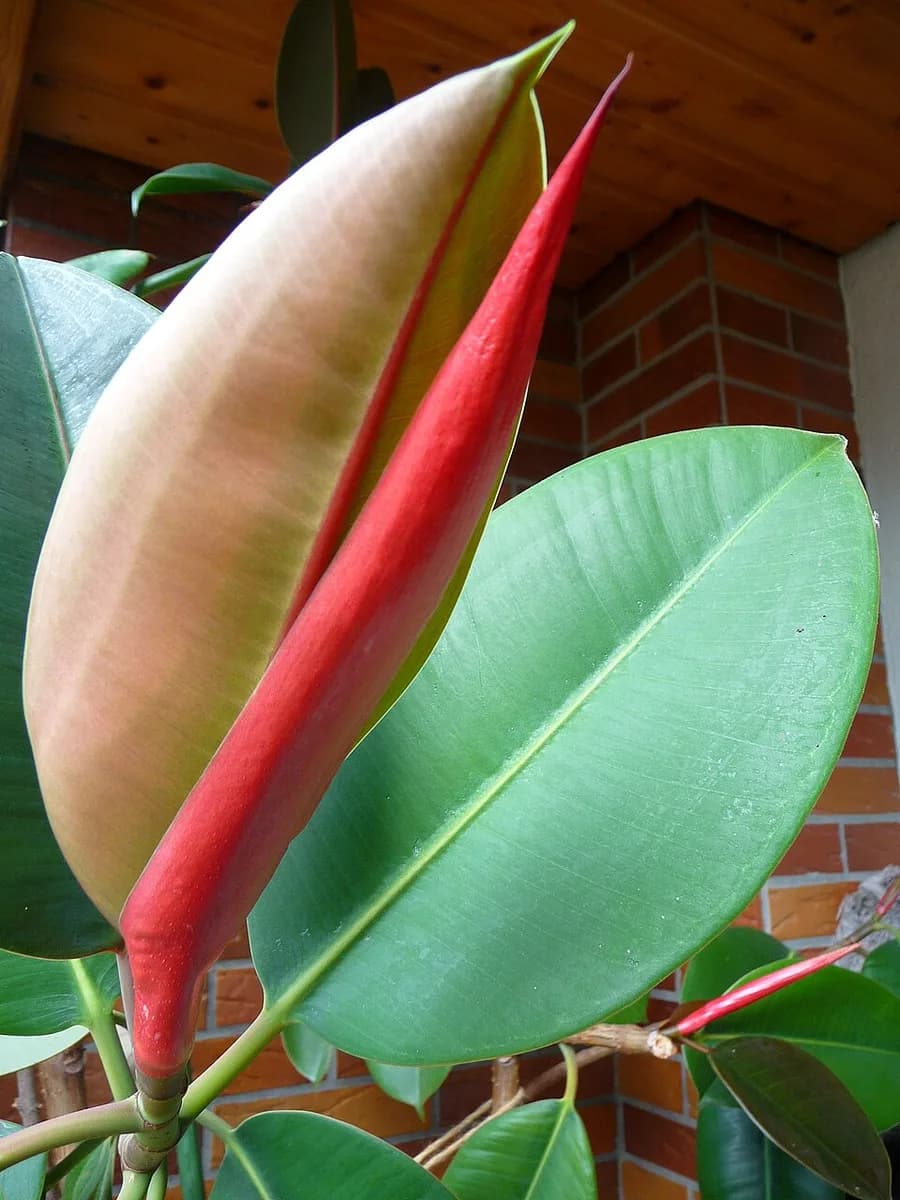
Filters
Formaldehyde, carbon dioxide
Large glossy leaves have significant surface area for absorbing airborne toxins.
Care guide
Filters
Formaldehyde, benzene, mold spores
Research suggests it can reduce airborne mold by up to 78%. Trails beautifully from shelves.
Care guideFilters
Formaldehyde, benzene, trichloroethylene
One of the top-ranked plants in air quality studies. Adds a tropical feel to any room.
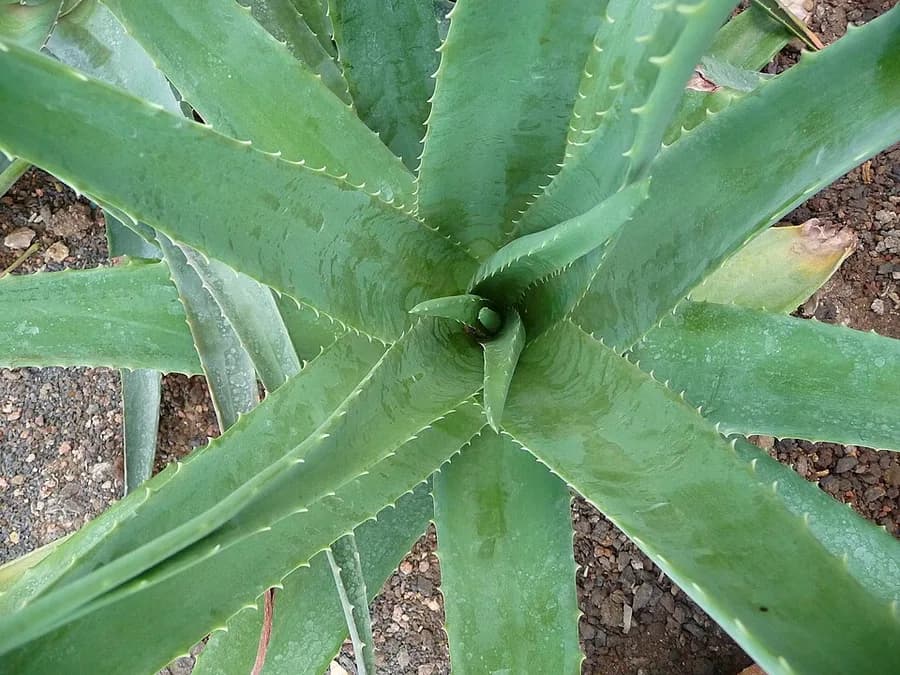
Filters
Formaldehyde, benzene
Releases oxygen at night and the gel has soothing properties for skin. Easy to care for on a sunny sill.
Care guide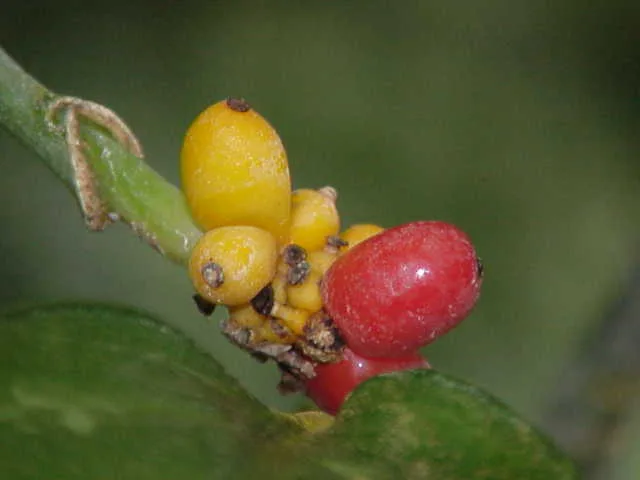
Filters
Formaldehyde, benzene
Tolerates low light well, making it effective in rooms with less natural ventilation.
Care guideMaximizing Air Purification
- Place one medium-sized plant per 100 square feet of living space for noticeable effect.
- Use a variety of species since different plants filter different toxins.
- Keep leaves clean and dust-free -- dirty leaves absorb pollutants less efficiently.
- Combine plants with proper ventilation for the best indoor air quality.
- Focus on bedrooms and living areas where you spend the most time.
- Choose plants that match your room's light and humidity conditions for healthy, effective purifiers.