Best Indoor Plants for Low Light
Sunlight floods some spaces, yet life grows elsewhere too. Some plants live well when light is scarce, shaped by years beneath thick foliage. These survivors thrive in dim corners - entryways with shaded windows, bathrooms with cool glow, rooms facing north, even under overhead lamps.
Low-Light Environment Conditions
Light Level
Under 100 foot-candles. No direct sunlight. North-facing windows or rooms 8+ feet from a window.
Humidity
Average household humidity (40-60%) suits most low-light plants.
Temperature
Standard room temperature 65-75°F (18-24°C).
Challenges
Slower growth, soil dries slowly (risk of overwatering), limited flowering.
Top 10 Low-Light Indoor Plants
These shade-tolerant species will thrive even in the darkest rooms of your home.
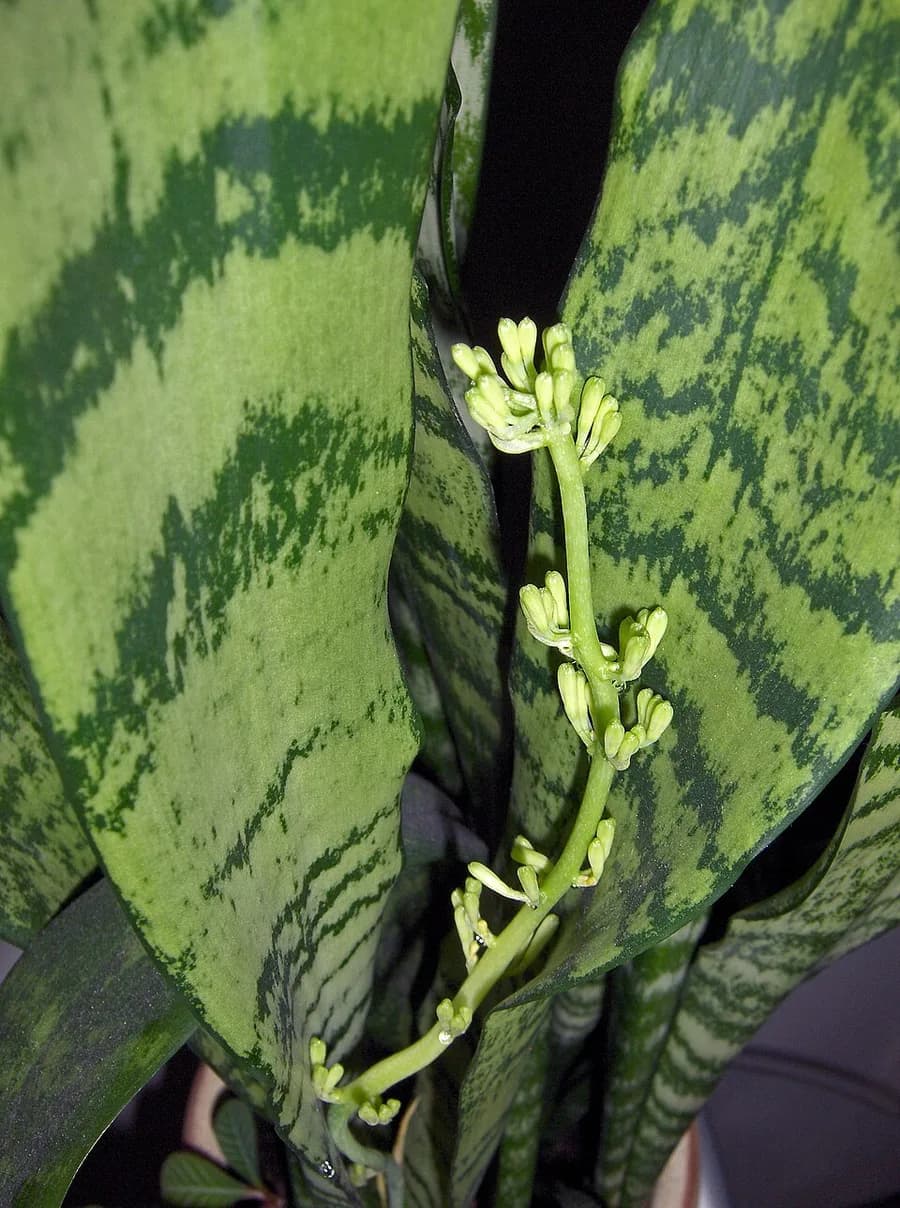
Tolerates very low light and thrives on neglect. One of the toughest plants you can grow indoors.
Care guide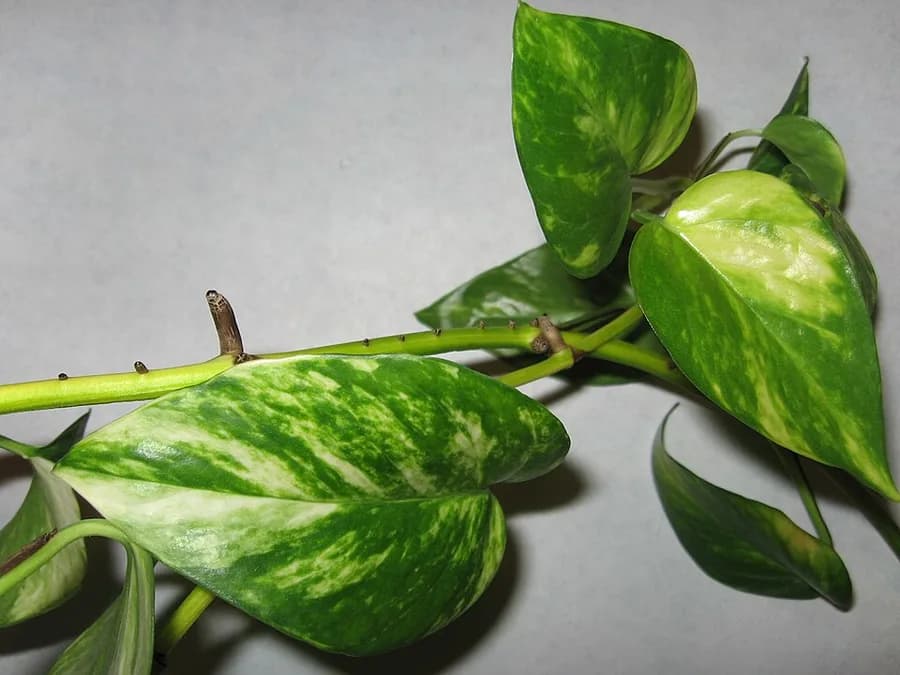
Trails beautifully from shelves and handles low-light conditions with ease. Golden, Marble Queen, and Jade varieties all work.
Care guide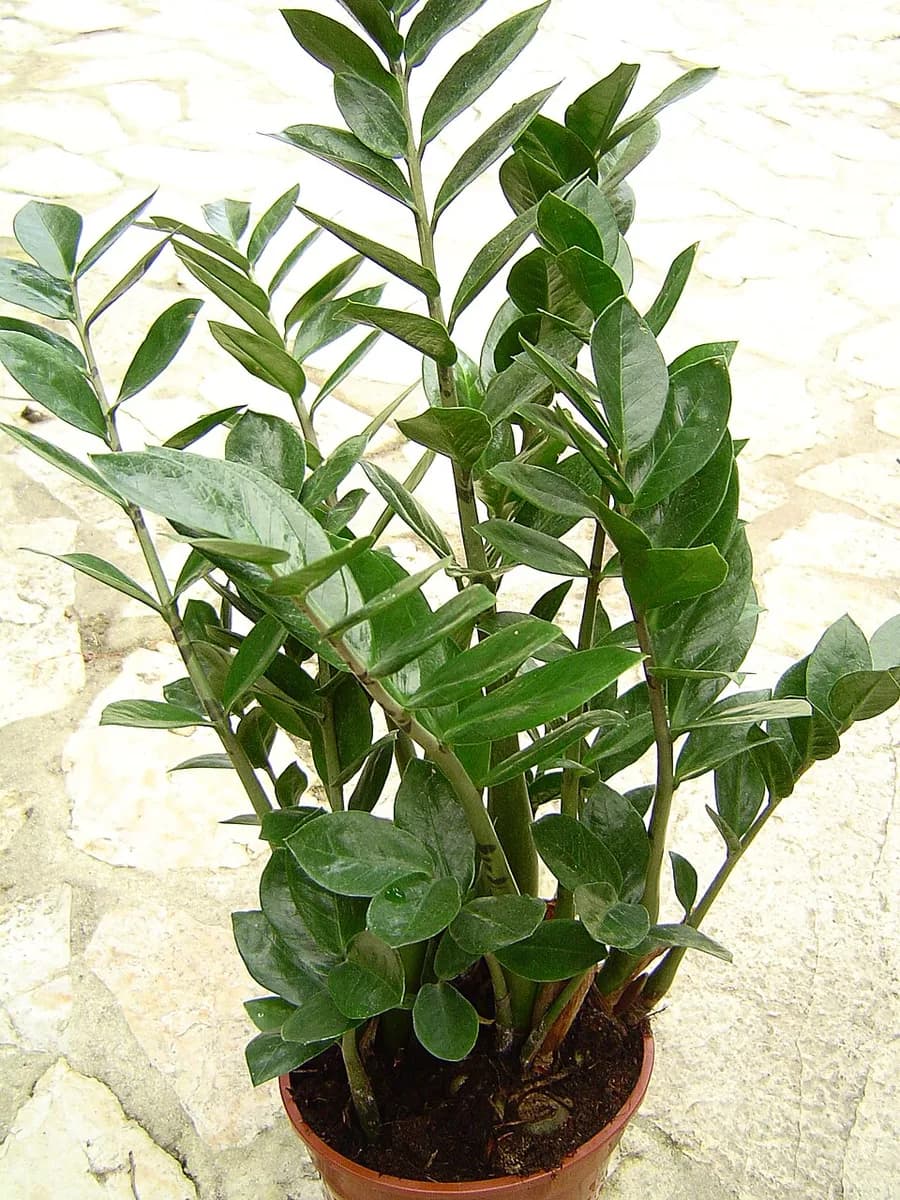
Survives under fluorescent office lights and goes weeks without water. Its glossy leaves brighten dark corners.
Care guide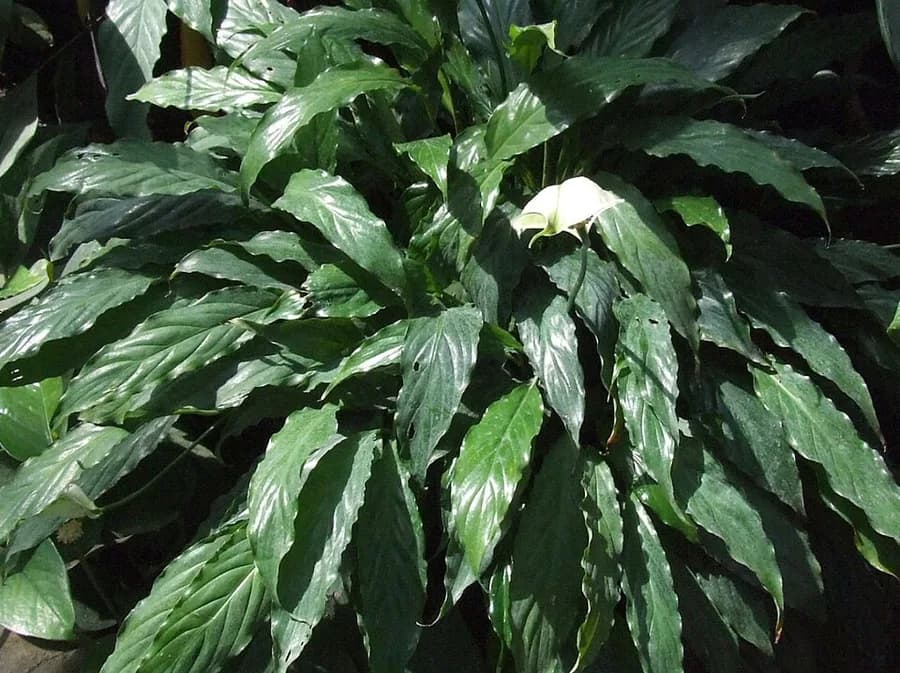
One of the few flowering plants that blooms in low light. Also a top-rated air purifier.
Care guideLives up to its name by surviving low light, temperature swings, and drought. Nearly indestructible.
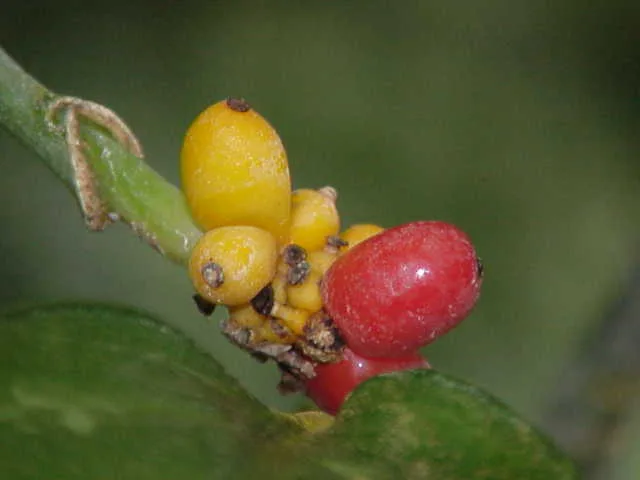
Comes in variegated patterns of silver, green, and red. Handles low light better than most colorful foliage plants.
Care guide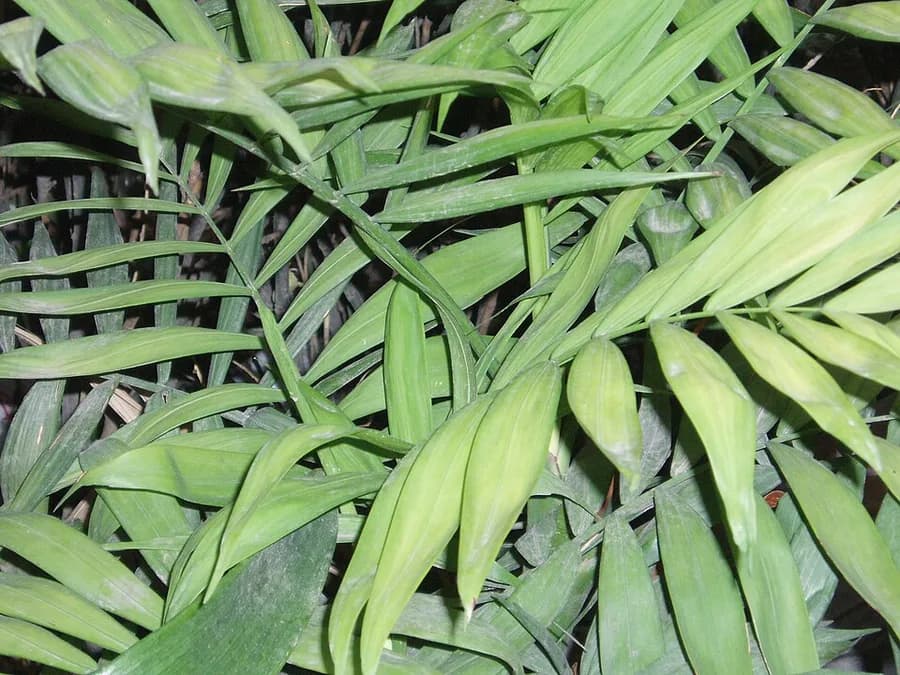
Brings a tropical feel to dim rooms. This compact palm rarely exceeds 4 feet and tolerates shade well.
Care guide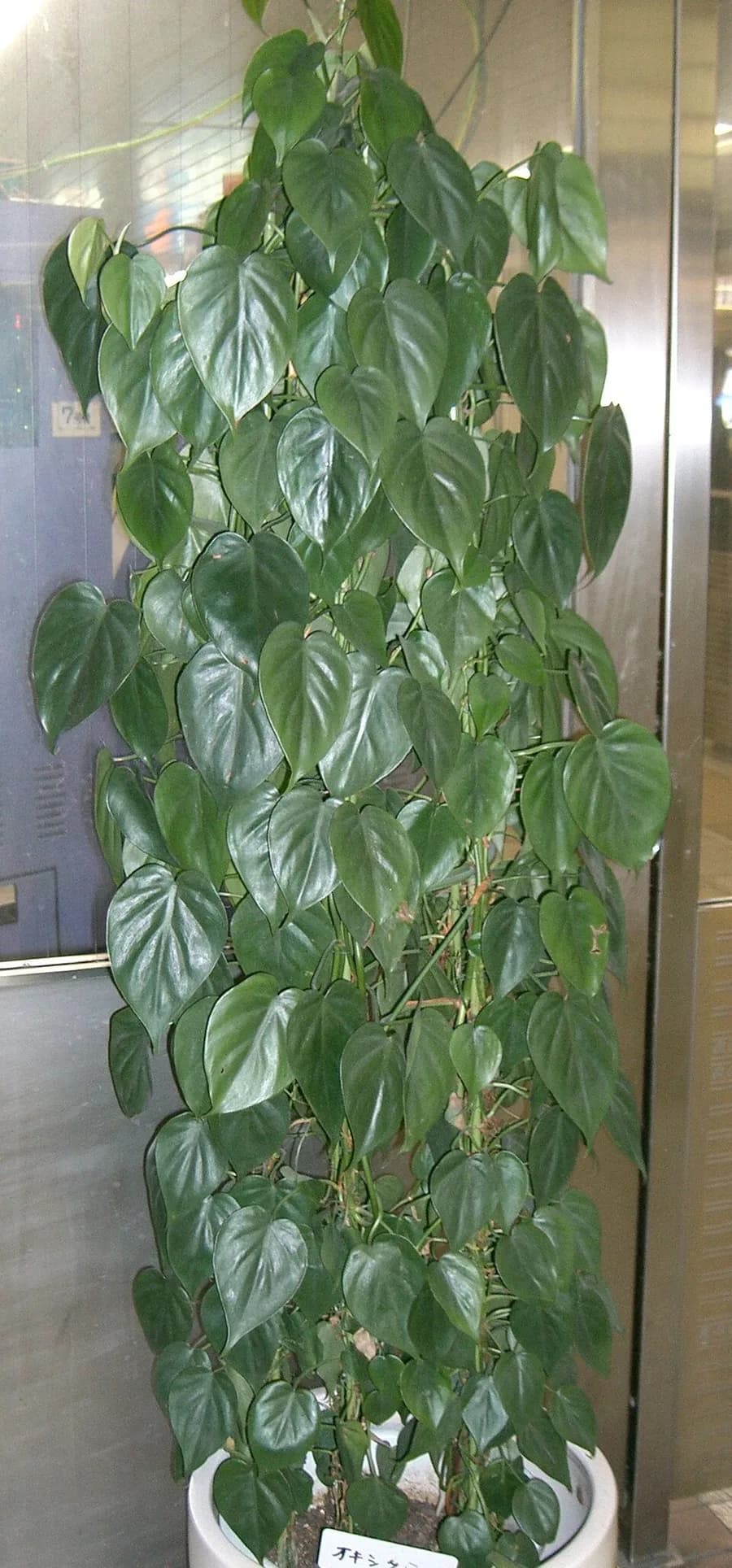
A trailing vine with soft, heart-shaped leaves. Very forgiving of low light and irregular watering.
Care guideTall, architectural varieties add vertical interest to dark corners without demanding bright light.
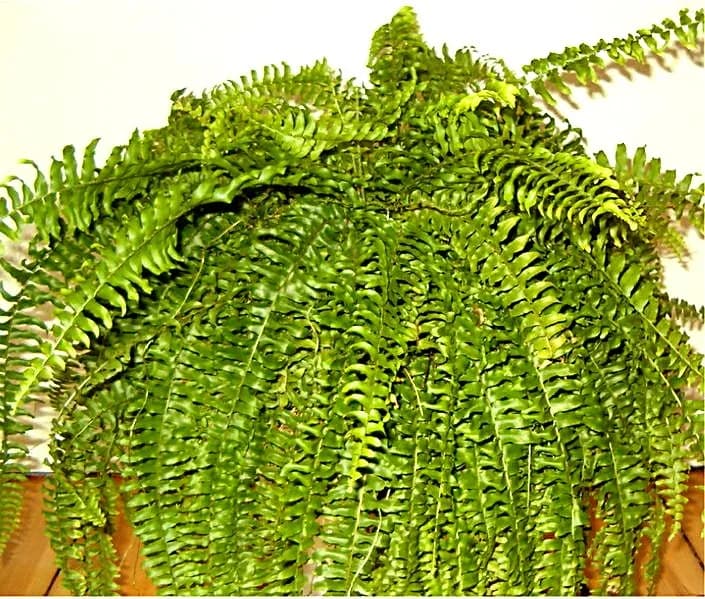
Thrives in low-light, humid conditions. Hang in a dim bathroom or shady hallway for lush, arching fronds.
Care guideCare Tips for Low-Light Plants
- 1Reduce watering frequency since plants in low light use less water and soil dries more slowly.
- 2Dust leaves regularly to maximize the limited light available for photosynthesis.
- 3Rotate plants occasionally so all sides receive some ambient light.
- 4Choose plants with solid dark green leaves over heavily variegated ones -- green leaves photosynthesize more efficiently.
- 5Supplement with a grow light if the room has no natural light at all.
- 6Avoid over-fertilizing. Low-light plants grow slowly and need less nutrition.
Explore More Room Guides
Identify Your Low-Light Plant
Not sure which plant you have? Snap a photo and our AI will identify it instantly with a full care guide.
Scan Your Plant