Medium Light Plants — Best Plants for Indirect Light
Medium indirect light runs about 150 to 500 foot-candles. You often find it close to east- or west-facing windows, a short distance back from a bright south-facing window, or in well-lit rooms where no direct sun actually hits the leaves. Many popular tropical houseplants grew up beneath scattered forest light, so this level of brightness suits them just fine.
How to Identify Medium Light in Your Space
Shadow Test
Rest your hand just above a flat surface. When the shadow feels soft yet still clearly visible, that spot gets medium indirect light.
East / West Windows
East-facing windows provide gentle morning light. West-facing windows offer moderate afternoon illumination.
Distance from South Windows
Three to six feet from a south-facing window, brightness drops from direct to medium indirect levels.
Bright Room, No Direct Rays
If the room feels well-lit throughout the day but no sun beam touches the plant, that is medium light.
Top 10 Plants for Medium Indirect Light
These popular houseplants thrive in filtered light near east- or west-facing windows and well-lit rooms.
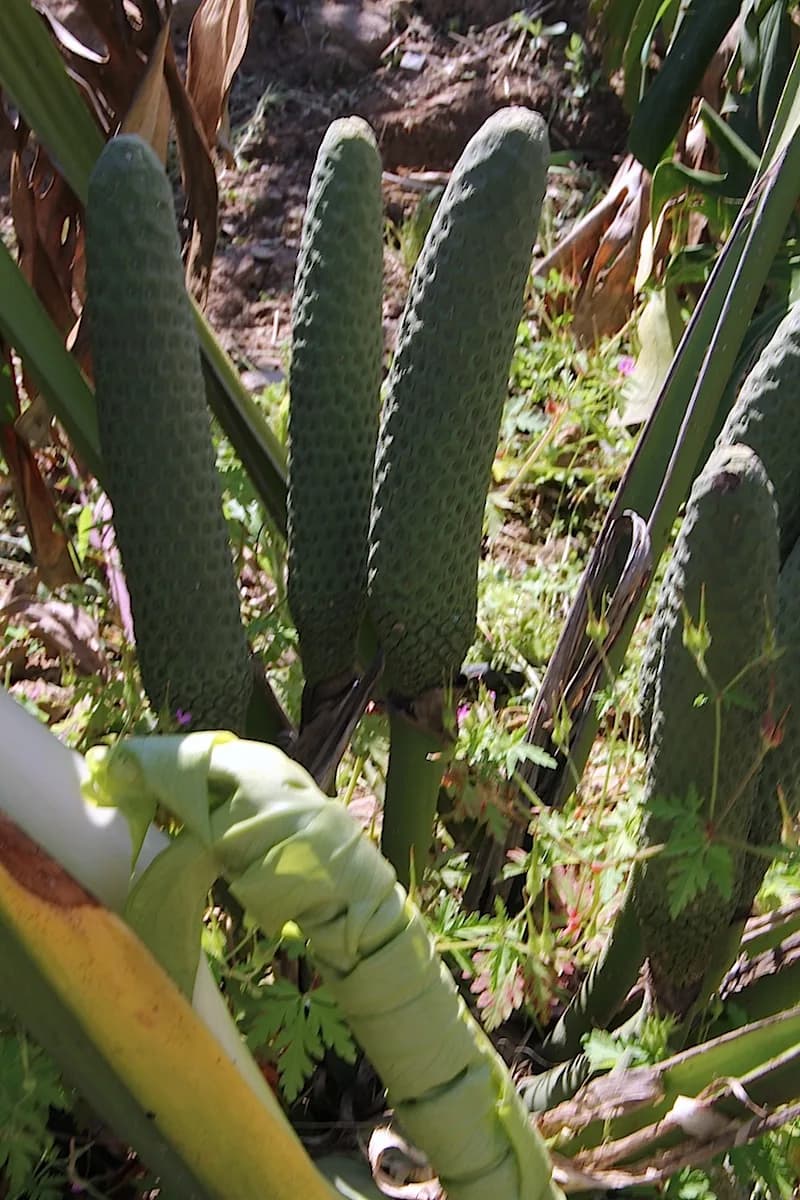
Those famous split leaves fill out best under medium light. Enough brightness for steady growth, yet soft enough to keep the large foliage from scorching.
Care guidePatterned leaves in purple, green, and silver thrive in filtered light. Direct sun bleaches their beautiful markings.
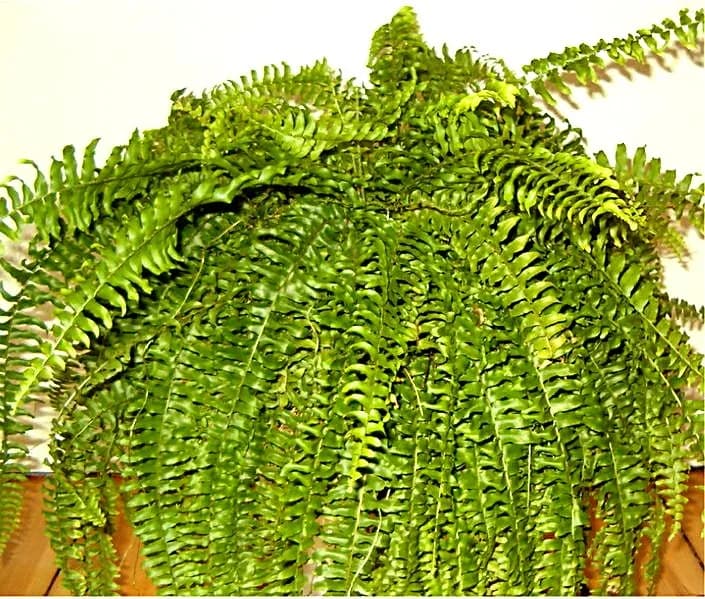
Lush, arching fronds stretch wide under soft daylight, breathing easily in moist air. Hang it near an east-facing window for the strongest growth.
Care guide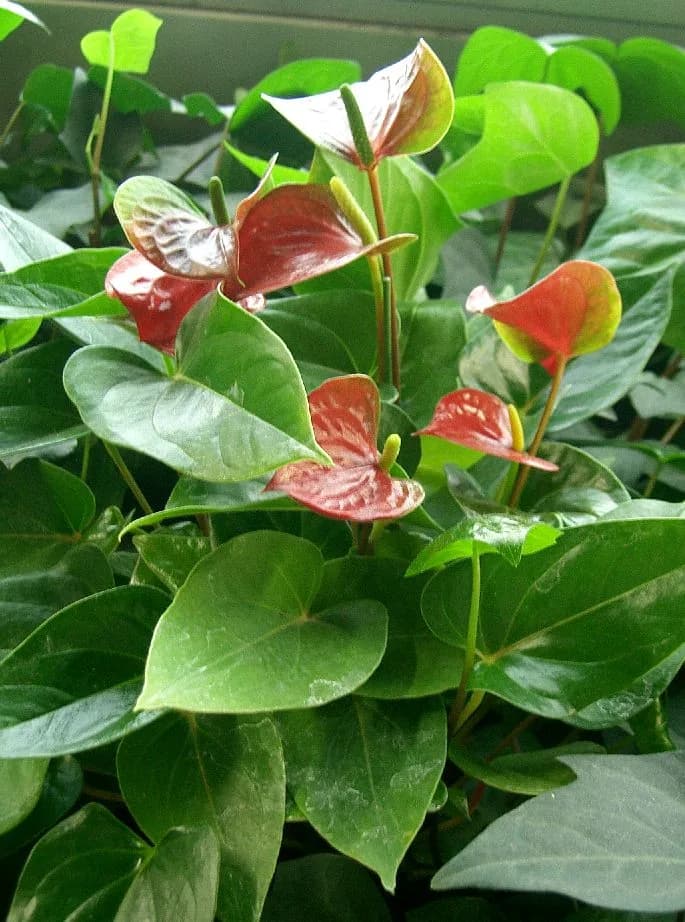
Waxy, heart-shaped blooms show up often under medium light, especially year-round. Each flower sticks around for weeks before fresh ones quietly take its place.
Care guideRex and cane types put on a real show with their foliage under filtered light. Medium brightness keeps growth compact and colors vivid.
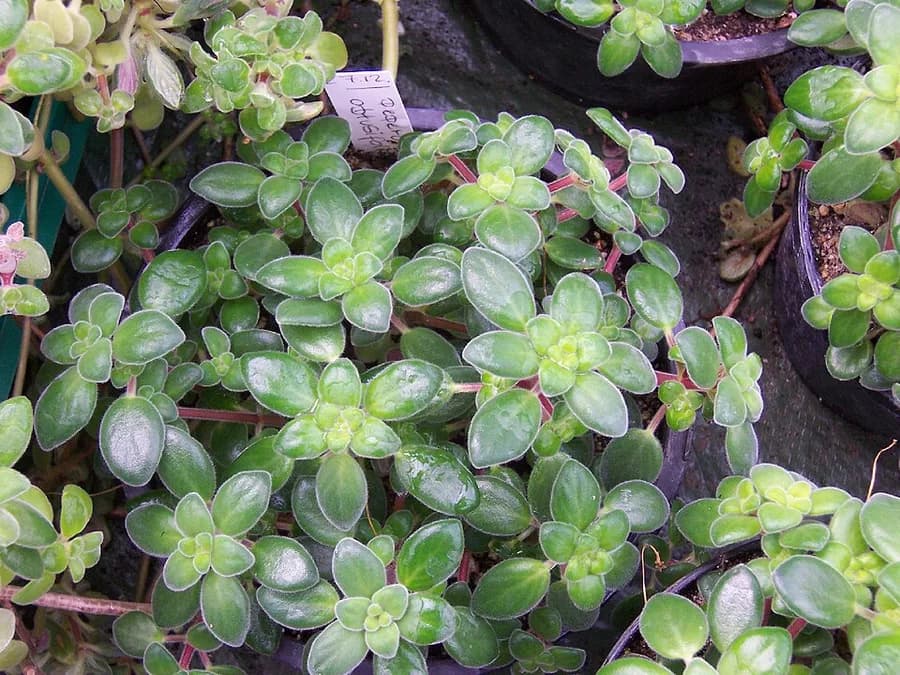
Compact, textured leaves come in dozens of varieties. Medium light keeps peperomias full and bushy without stretching.
Care guide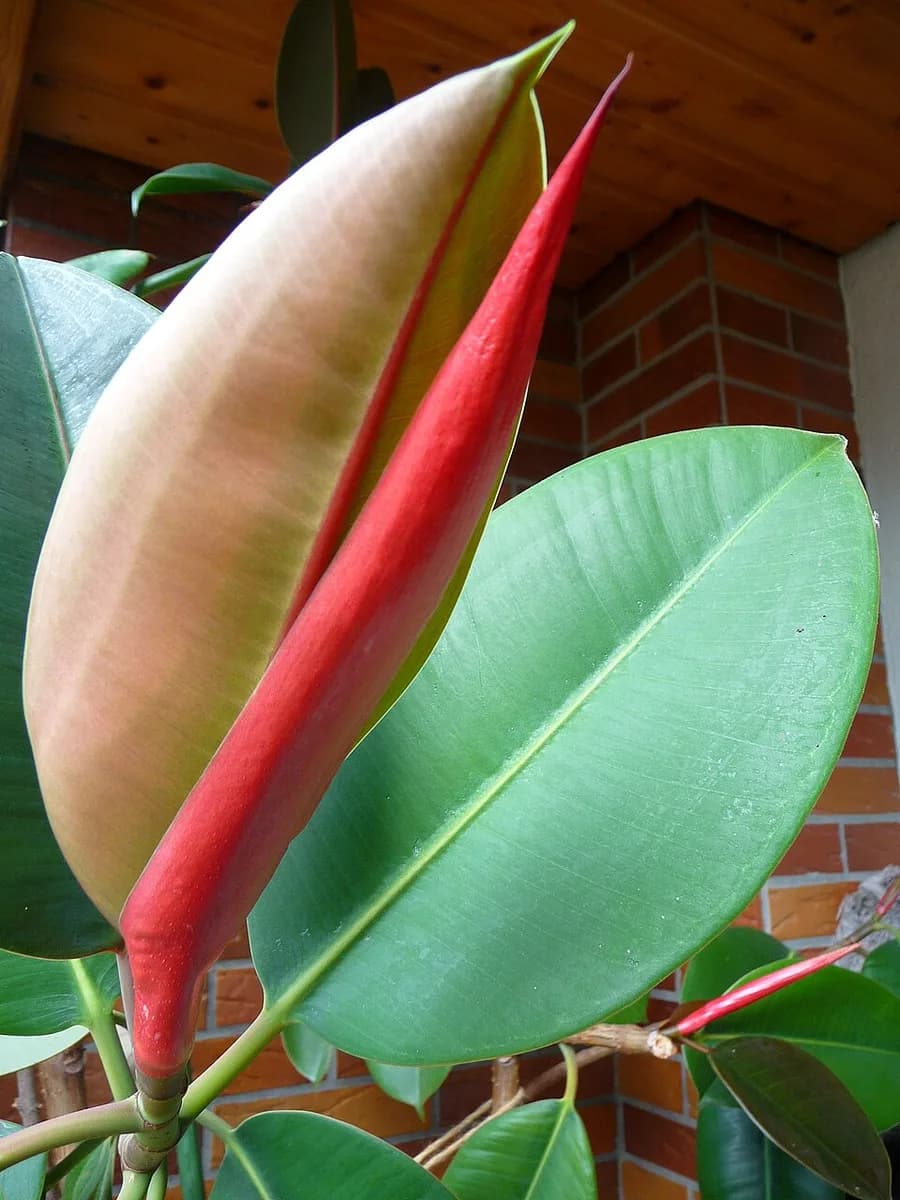
Shiny, deep burgundy foliage fills out at a steady pace under gentle, indirect lighting. An easy-care statement plant that fits well in any room.
Care guide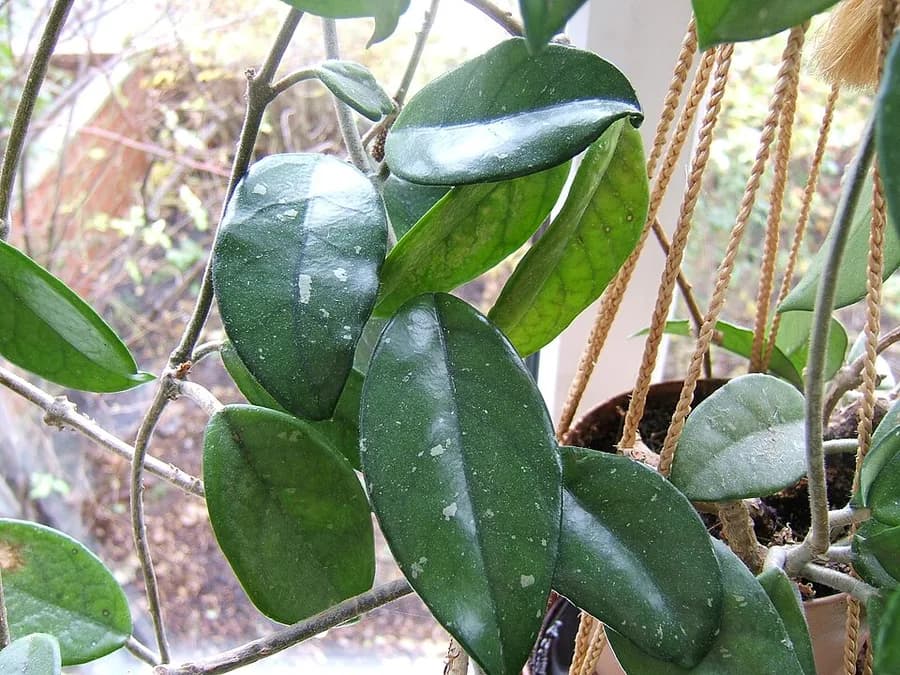
Shiny trailing foliage does well when light stays soft. Under medium brightness, hoyas put out clusters of sweetly scented, star-shaped flowers.
Care guideBold, arrow-shaped leaves catch attention under medium light. Not enough brightness and the stems droop; too much and the leaf edges start to burn.
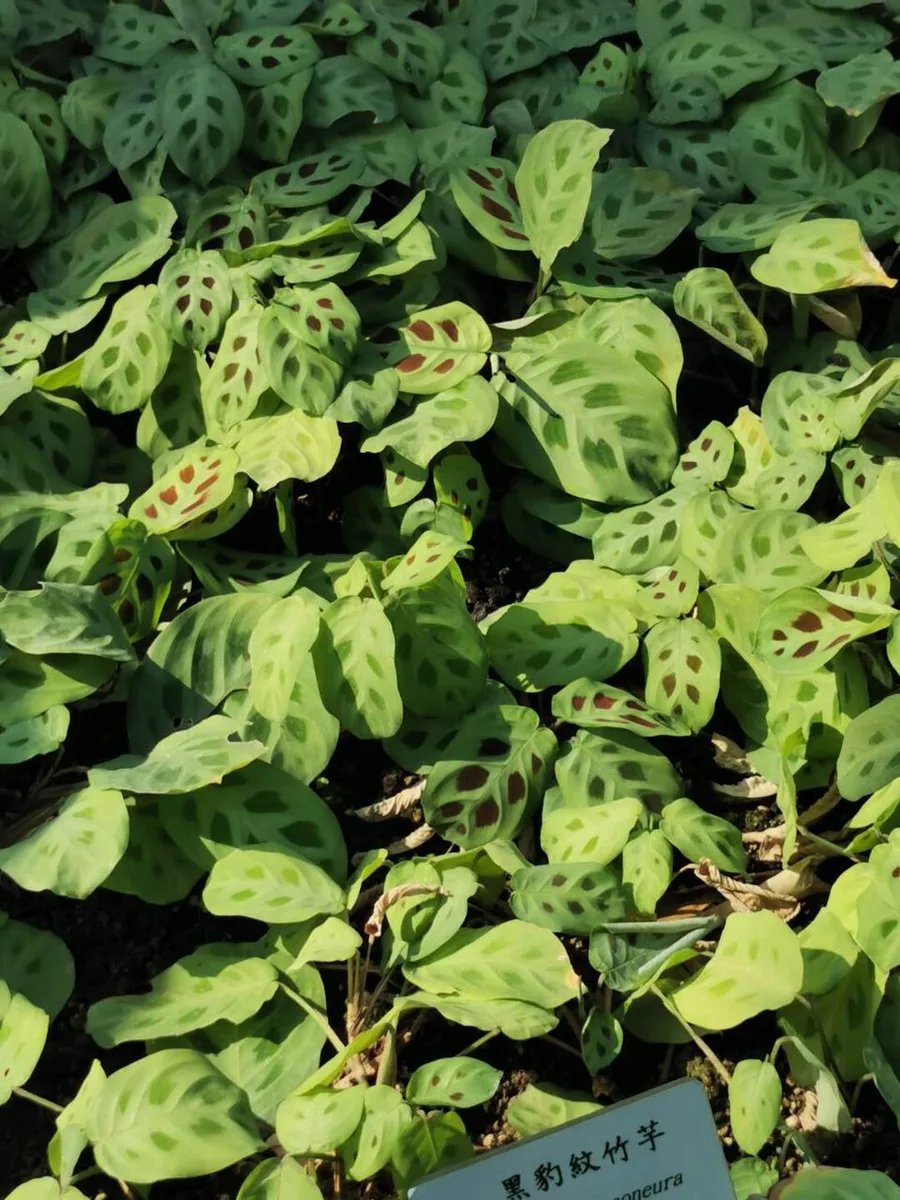
Leaf edges lift like tiny fans when darkness falls each evening. Medium indirect light keeps the vivid markings sharp, since direct sun would bleach them out.
Care guideCare Tips for Medium Light Environments
Most tropical houseplants do well when light stays moderate but steady. Stick to these guidelines to keep them growing strong.
- 1Water once the top inch of soil feels dry to the touch. Medium light dries things out at a moderate pace, so overwatering is less of a risk here than in dim rooms.
- 2Feed with a balanced liquid fertilizer every four to six weeks during spring and summer for steady growth.
- 3Maintain humidity between 40 and 60 percent. Group plants together or use a pebble tray to raise local humidity.
- 4Rotate pots a quarter turn every week or two so growth stays even on all sides.
- 5Wipe dust from leaves monthly. Clean foliage absorbs light more efficiently and resists pests.
- 6Keep an eye out for stems that tilt or lean. When a plant stretches noticeably toward the window, it may be reaching for brighter placement.
Signs of Too Much or Too Little Light
Needs More Light
- Leggy, stretched growth reaching toward the window
- New leaves smaller than older ones
- Variegation fading to solid green
- Slow or stalled growth during growing season
- Lower leaves yellowing and dropping
Getting Too Much Light
- Brown, crispy patches on leaves (sunburn)
- Bleached or washed-out leaf color
- Leaves curling away from the light source
- Soil drying out faster than expected
- Leaf tips turning brown and papery
Explore Other Light Levels
Every room offers different light conditions. Find plants matched to each level.
Measure Your Room's Light Level
Figure out how much light hits each spot using our smart light tool, then get specific tips on which plants thrive where.