Bright Indirect Light Plants — Best Plants for Sunny Rooms
Bright indirect light sits at roughly 500 to 1,000 foot-candles. You often find it streaming through south- or west-facing windows softened by sheer curtains, filling well-lit sunrooms, or flooding open-plan spaces with reflected daylight. Many of the most popular houseplants put out their best foliage and push blooms only when they get this level of brightness.
How to Identify Bright Indirect Light
Shadow Test
Hold your hand near a flat surface. A sharp shadow with crisp, clear edges tells you the spot gets bright indirect light.
Filtered South / West Windows
A south- or west-facing window with a sheer curtain or light blinds delivers bright indirect illumination.
Bright Without Direct Beams
Light fills the space all day long, yet no harsh beam strikes the leaves directly. That soft surrounding glow is bright indirect light.
Within 3 Feet of Bright Glass
Set a plant about three feet from a sunny window, slightly off to the side, and you usually land in the bright indirect range.
Top 10 Plants for Bright Indirect Light
These popular houseplants thrive in sunny rooms with filtered light from south- or west-facing windows.
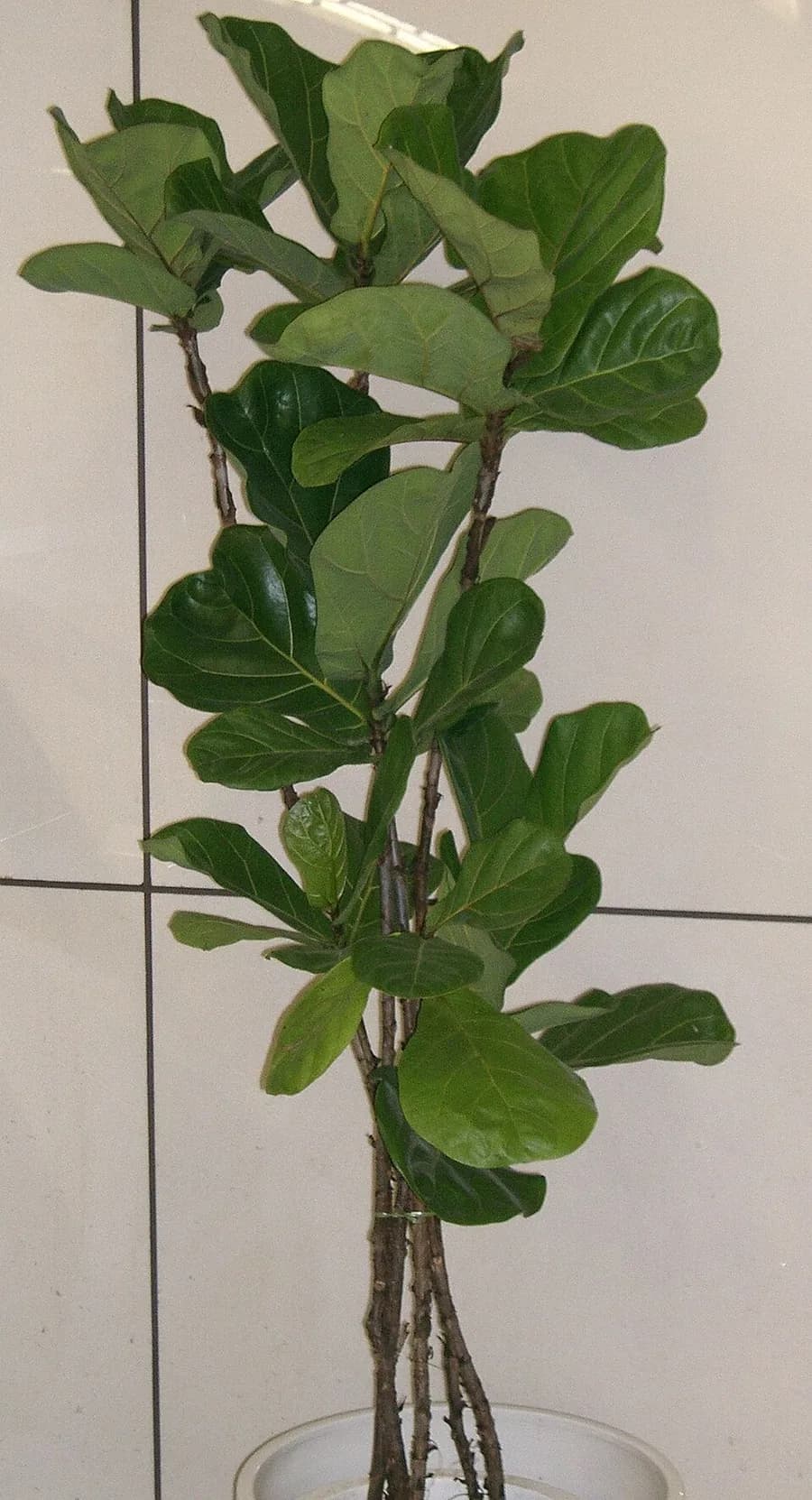
Those big, violin-shaped leaves need plenty of filtered light to stand tall and fill out evenly. Bright indirect conditions fuel steady, eye-catching growth.
Care guide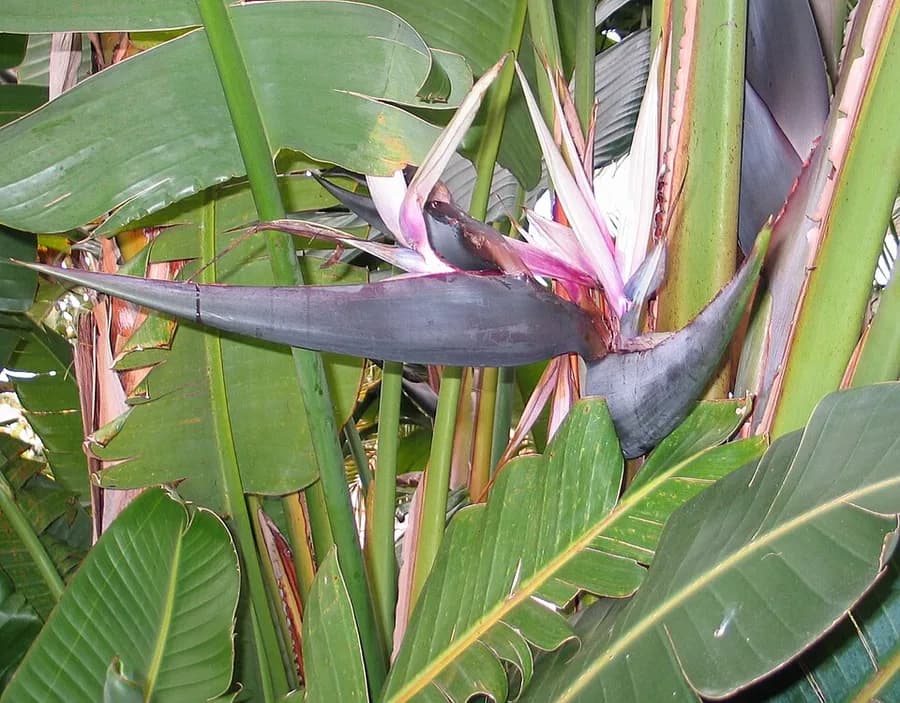
Wide, banana-style leaves stretch upward when brightness is right. Strong indoor light might even coax out those famous orange-and-blue blooms.
Care guide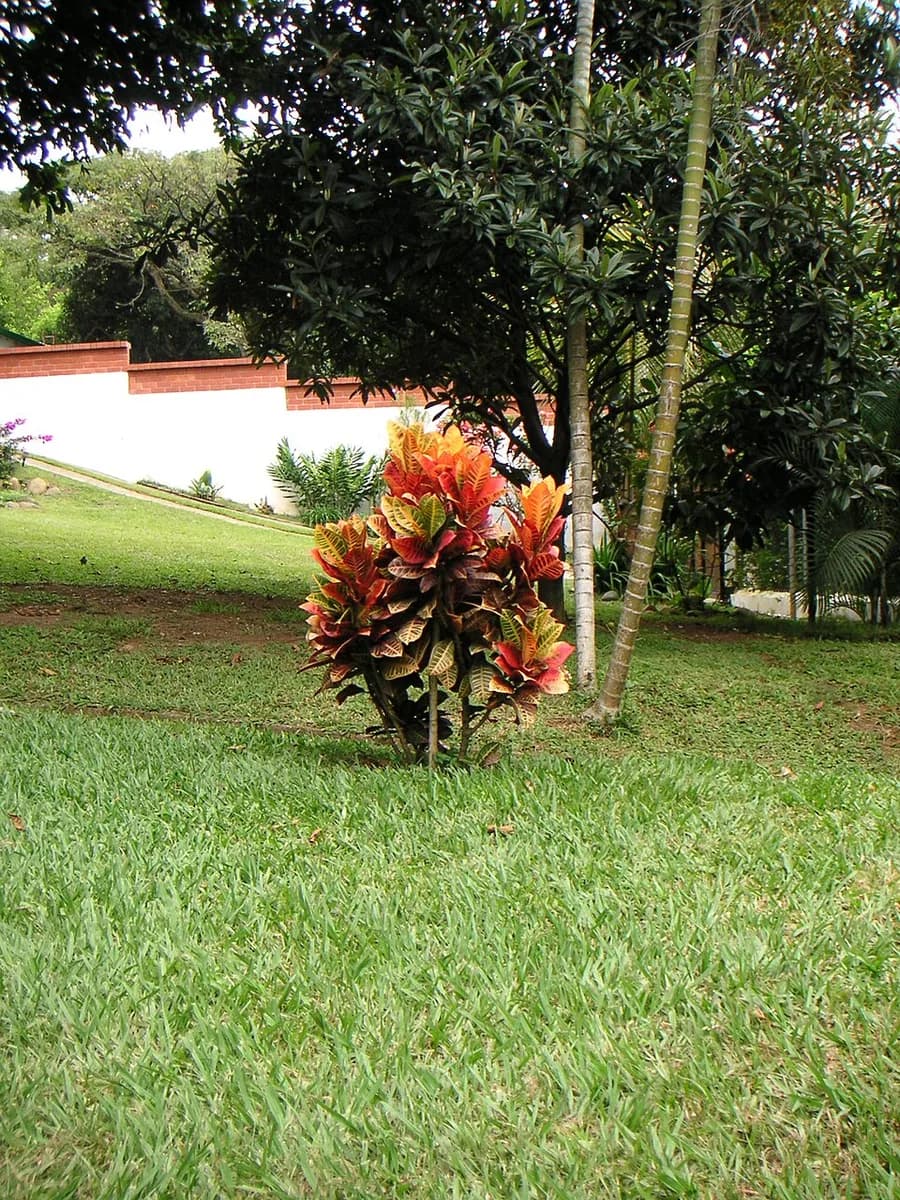
Vivid red, orange, and yellow leaf coloring depends on bright light. Without it, new growth reverts to plain green.
Care guide
Fragile trailing threads of beaded leaves do well where light is warm but not harsh. Too much direct heat dulls the pearls, yet soft filtered glow keeps them plump.
Care guide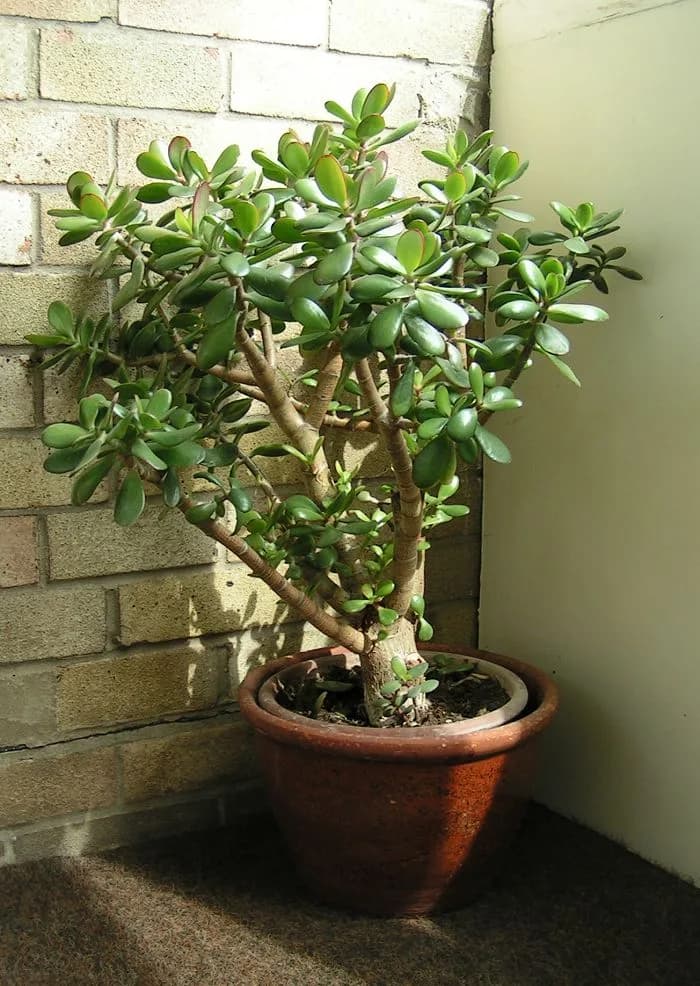
Thick oval leaves hold water inside and grow into a tight, compact shape under bright light. A windowsill with sun filtered through a sheer curtain works perfectly.
Care guide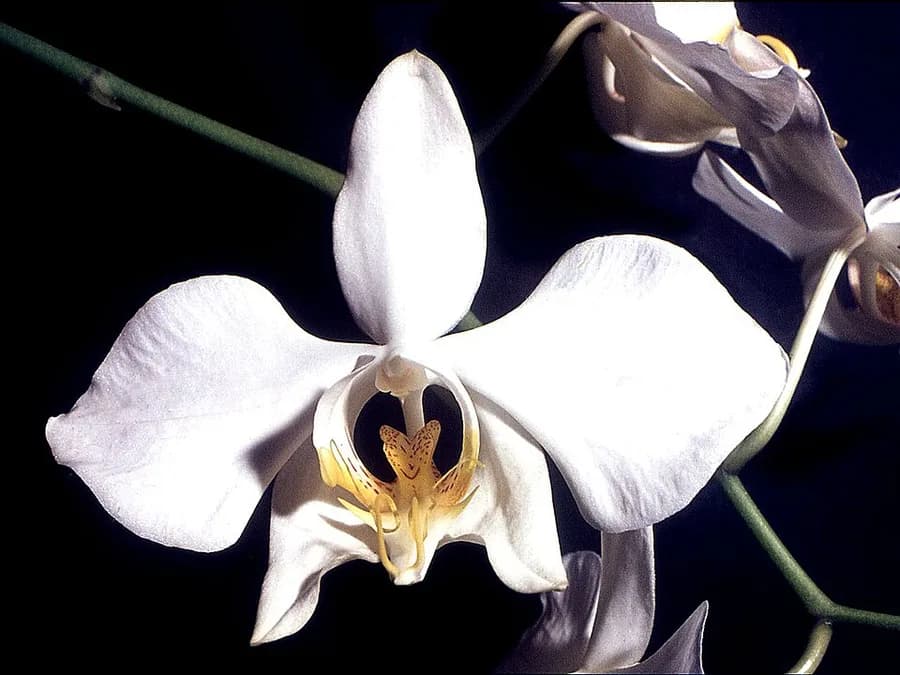
Moth orchids push out fresh blooms when bright indirect light hits them. An east-facing window, or a south one filtered through curtains, strikes the right mix of energy and gentle warmth.
Care guideBlooms almost continuously in bright filtered light. Position near a bright window with sheer curtains for best flowering results.
Metallic, swirled leaf patterns stay vivid in bright indirect light. Too much direct sun burns the delicate foliage.
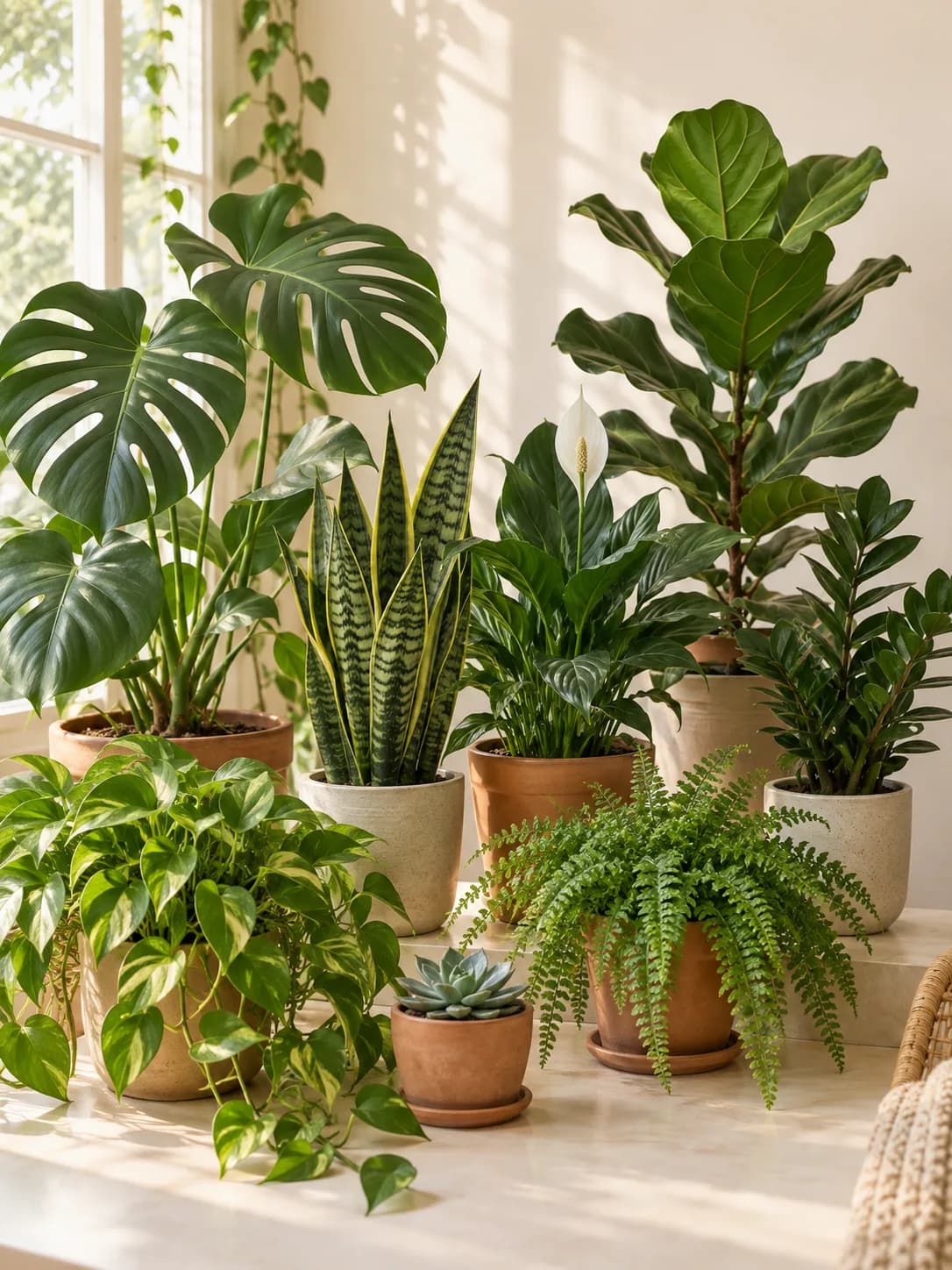
Arching fronds fill out nicely under gentle filtered glow, thriving where humidity stays steady. A bright bathroom or sunny living room suits it well.
Care guideThose signature leaf holes show up faster under bright indirect light. It trails beautifully from a hanging basket placed near a sun-filled window.
Care Tips for Bright Environments
Bright indirect light pushes plants into faster growth, which means they may drink more water and burn through nutrients quicker than those sitting in dimmer spots.
- 1Check the soil moisture often. Strong light dries things out quicker, so water once the top inch feels dry instead of sticking to a set schedule.
- 2Feed your plants every two to four weeks during the warm months with a balanced liquid fertilizer to keep that active growth going.
- 3Use sheer curtains or blinds to soften intense afternoon sun from south- and west-facing windows.
- 4Watch how the leaf color changes over time. If it fades or turns pale, the light may be too strong - try shifting the plant back a foot or two.
- 5Keep the moisture in the air steady. Bright rooms tend to dry out, so mist tropical foliage or run a humidifier nearby.
- 6Turn the pots each week so growth stays balanced - plants near the brightest area often tilt toward the light.
Preventing Sunburn on Indoor Plants
Even sun-loving plants can get scorched when direct rays hit too hard. These steps help you keep the leaves healthy and burn-free.
- Hang sheer curtains over south- and west-facing windows to diffuse harsh afternoon rays.
- Move plants back one to two feet from glass if leaves develop brown, crispy patches.
- Go slow when moving a plant from shade into brightness. Shift it a little closer every couple of days over a week or two.
- Watch for curling or cupping leaves, which signal the plant is trying to reduce light exposure.
- Avoid placing plants behind glass that magnifies sunlight, such as old single-pane windows.
- Group sensitive plants behind taller, sun-tolerant species that can act as natural shade.
Explore Other Light Levels
Every room offers different light conditions. Find plants matched to each level.
Check Your Light Conditions Instantly
Measure how bright your room really is with our smart light tool, then find plants well suited to where you live.