Low Light Plants — Best Plants for Dark Rooms
Low light usually means somewhere between 50 and 150 foot-candles of brightness. Think north-facing windows, rooms tucked far from any glass, dim hallways, and corners lit mainly by overhead fluorescent bulbs. Plenty of plants have adapted to growing beneath thick forest canopies, which makes them a natural fit for these indoor conditions.
How to Identify Low Light in Your Space
Hand Shadow Test
Hold your hand roughly a foot above a flat surface. If the shadow barely shows up or looks very faint, that spot sits in low light.
Window Distance
Spots more than eight feet from a window typically fall into low light territory, even in bright homes.
North-Facing Windows
In the Northern Hemisphere, north-facing windows receive no direct sun and provide the least natural light.
Reading Test
If you struggle to read a book comfortably without turning on a lamp, the spot qualifies as low light.
Top 10 Plants for Low Light
These shade-tolerant species handle dimly lit rooms, north-facing windows, and spaces far from natural sunlight.
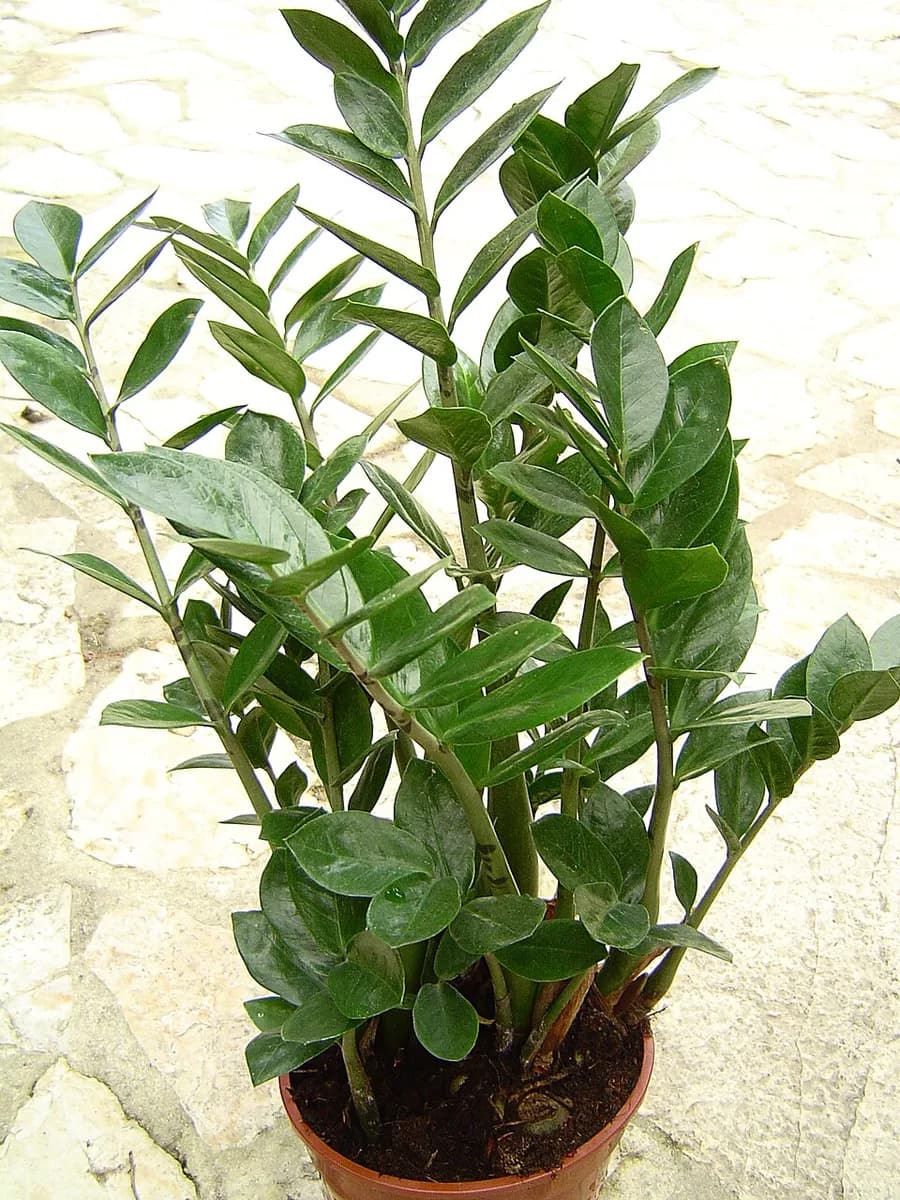
Gets by under fluorescent bulbs and handles serious neglect just fine. Its thick, waxy leaves hold water well and still grow strong in the shadiest corners of a room.
Care guide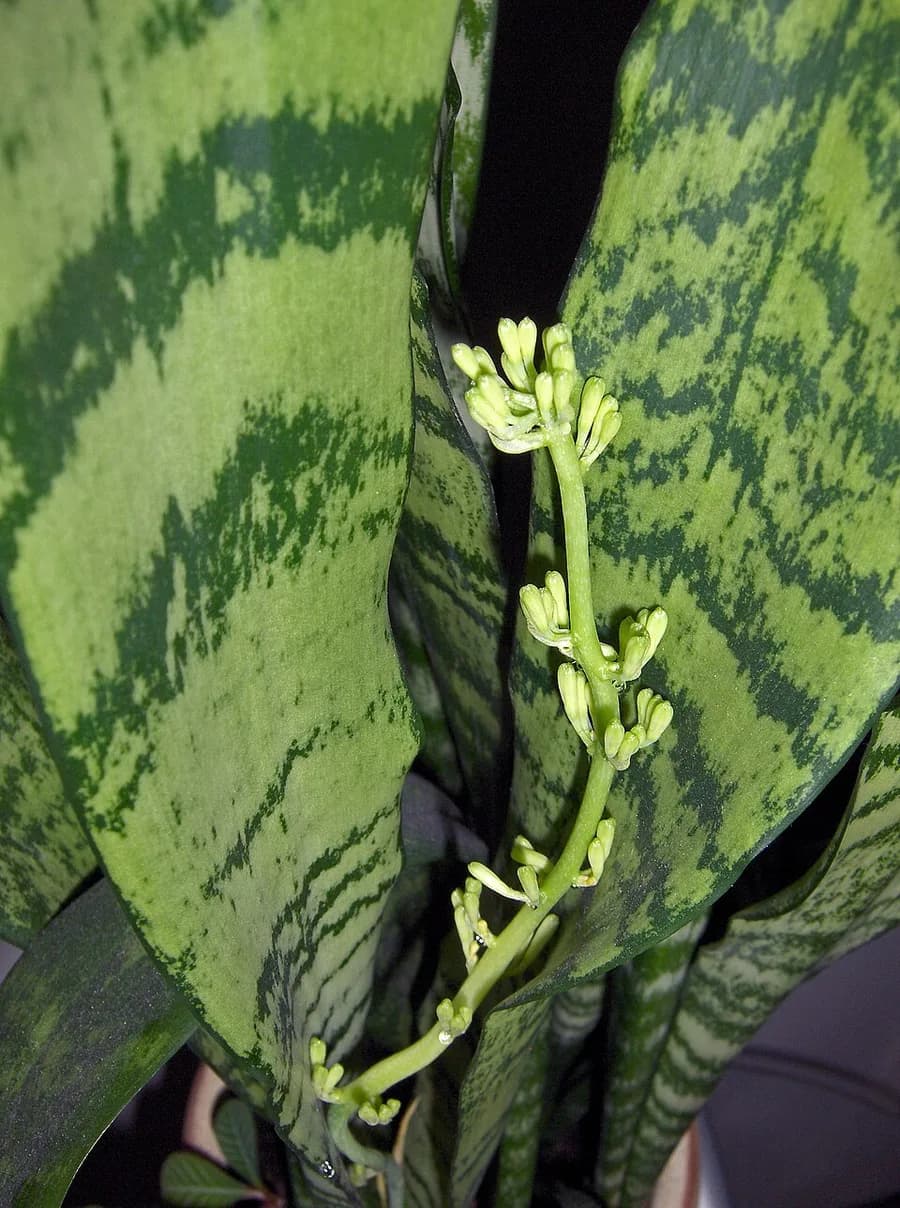
Almost nothing can harm it, and it thrives where light is scarce. Tall, blade-like foliage grows at its own pace in low light yet keeps its bold, striking look.
Care guide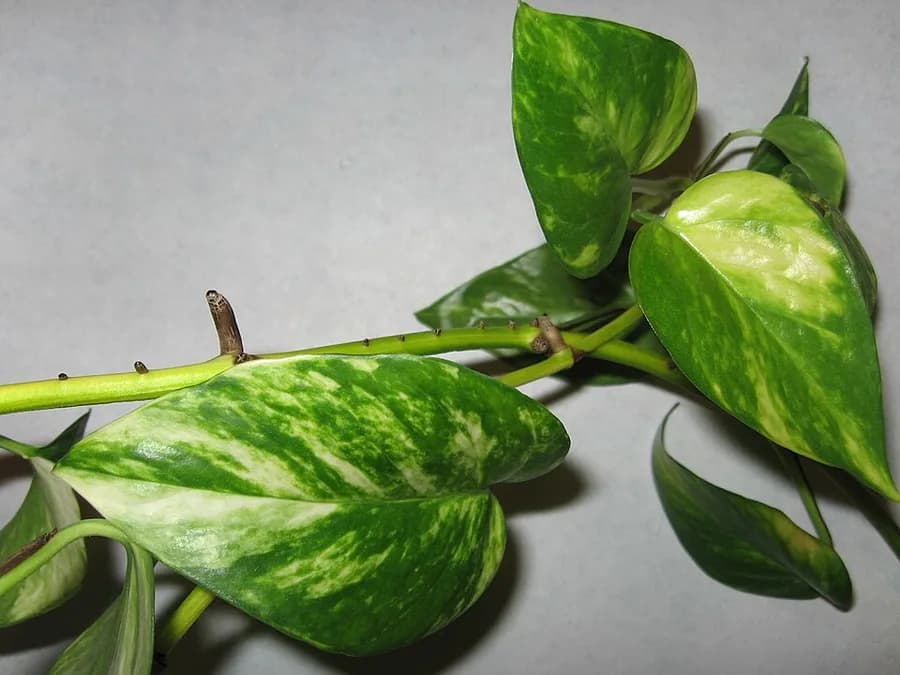
Trails gracefully from shelves in low light without complaint. Solid green varieties handle shade better than heavily variegated forms.
Care guideEarned its name by enduring low light, temperature swings, and drought. One of the most forgiving houseplants available.
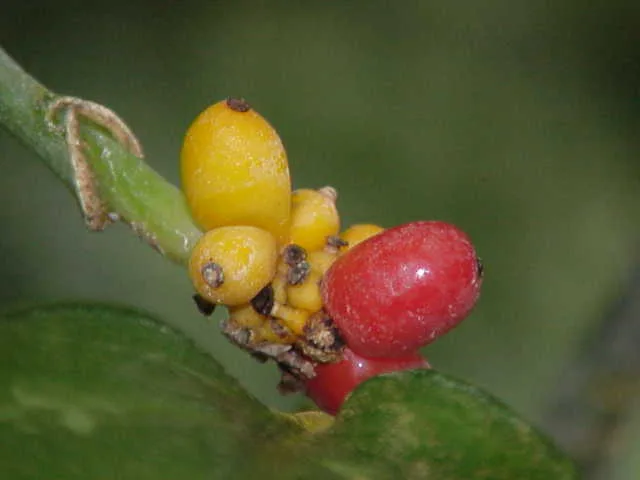
Offers colorful foliage even in dim conditions. Silver and green patterned leaves brighten rooms that lack natural sunlight.
Care guide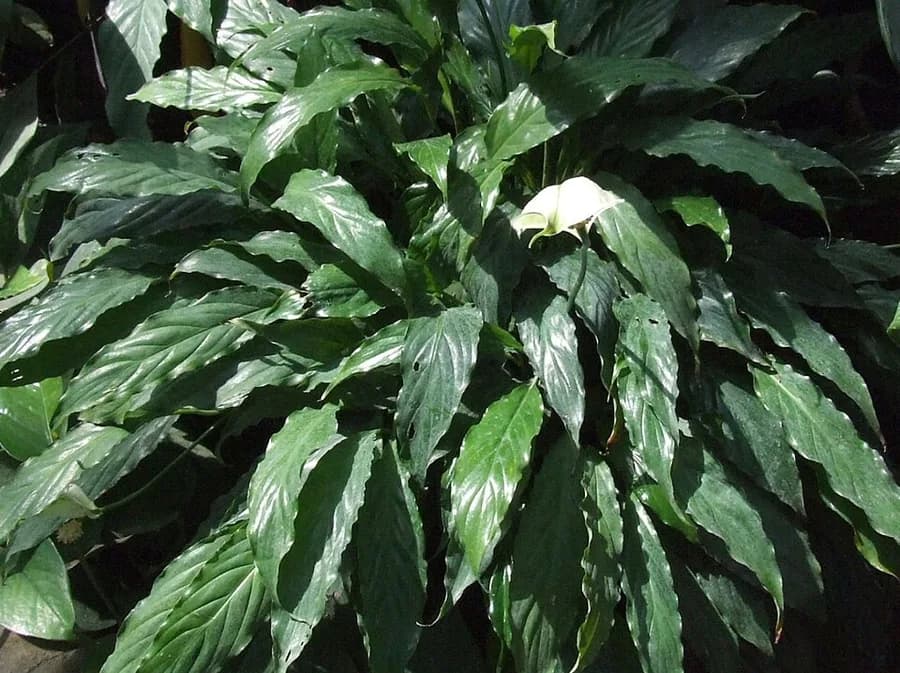
Few plants bloom in dim spaces, but this one does. White flowers open even in north-facing rooms, while its shiny foliage works quietly to clean the air.
Care guide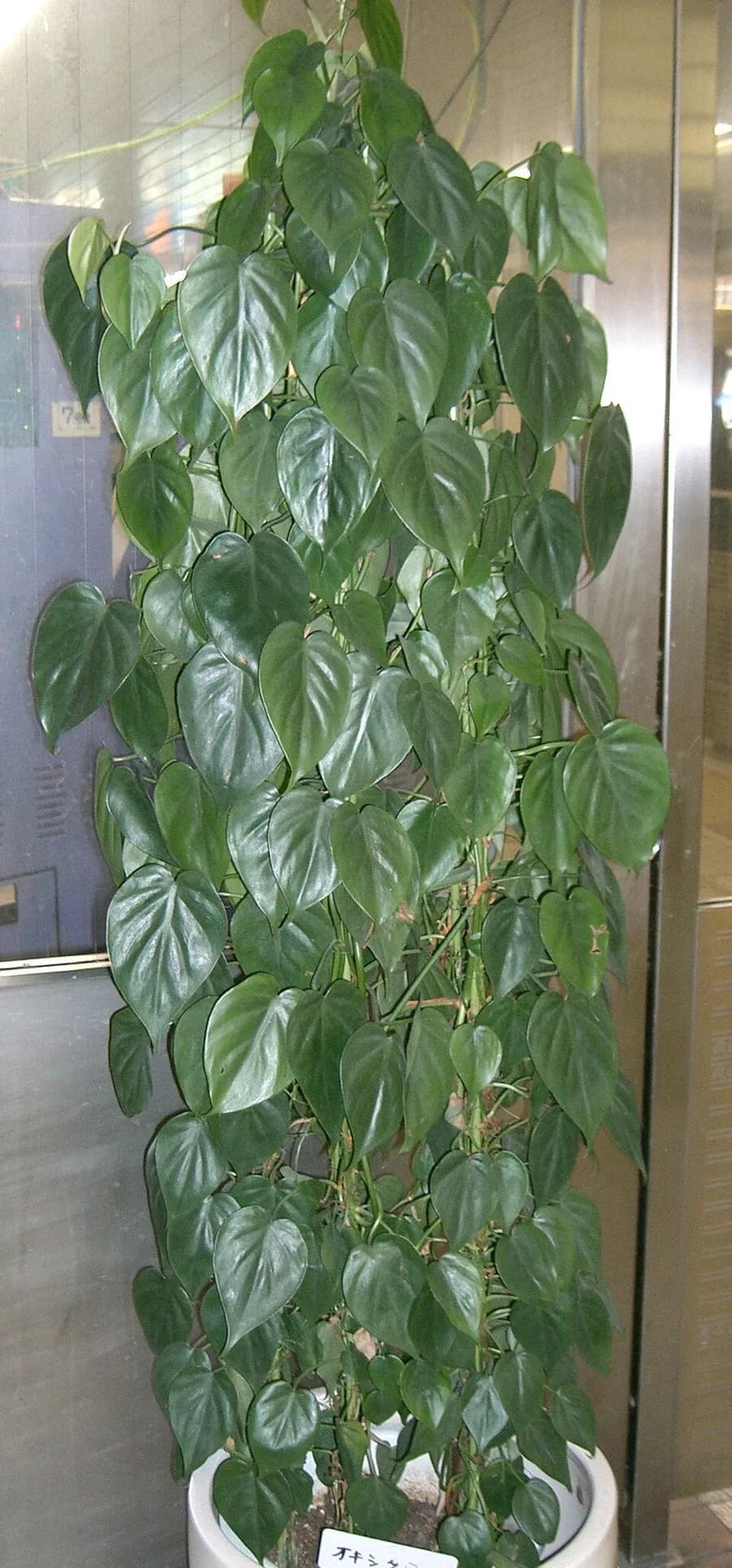
A gentle climber that forgives mistakes - soft, heart-shaped leaves are easy on the eye. Thrives where light is scarce and recovers fast when watering runs late.
Care guide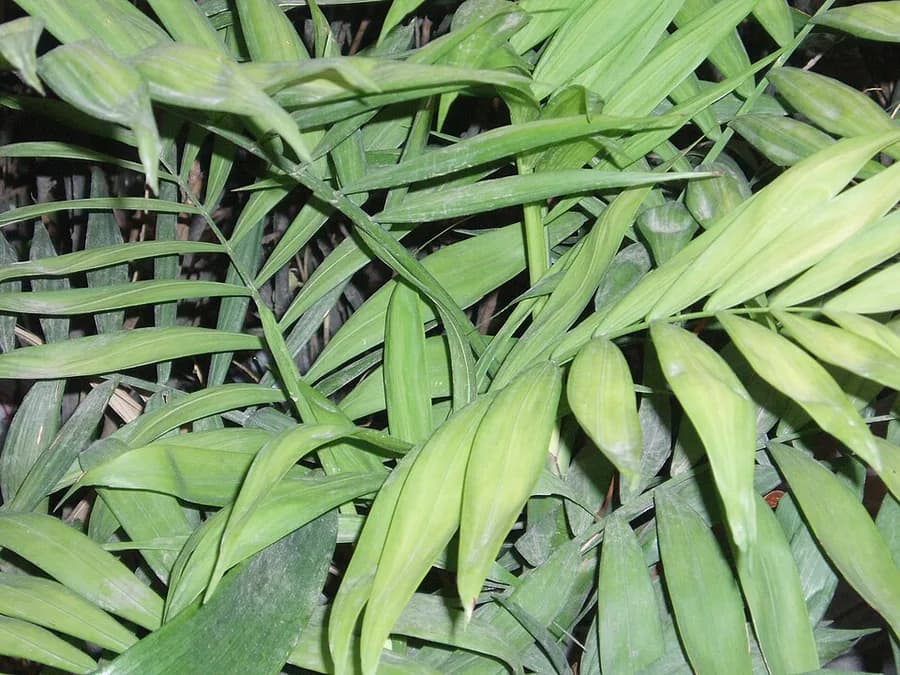
Brings a hint of the tropics to dim spaces, no bright light needed. Staying under four feet tall, this compact palm slips right into shady corners without missing a beat.
Care guideTall, sculptural stems rise up and draw the eye in shadowy spots. Many types handle low light well and only need water once the soil feels dry.
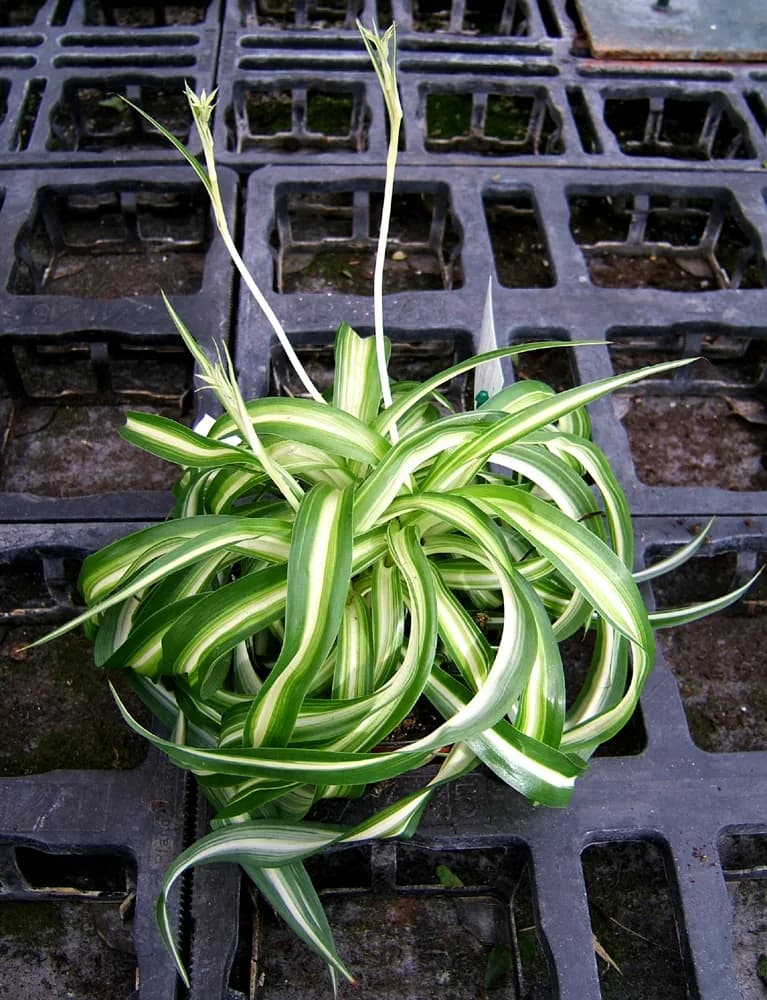
Little offshoots cascade down like a waterfall, looking great on shelves. Brighter spots suit it better, yet the solid green forms still hold up where light is scarce.
Care guideCare Adjustments for Low Light
When light is scarce, plants process food at a slower clip - and that changes how often you water, how much you feed, and what kind of growth to expect.
- 1Go easy on the watering can. Soil dries slowly when light is low, so let the top inch or two dry out before giving it another drink.
- 2Cut back on fertilizer. Feed at half strength during the growing season and skip feeding entirely in winter.
- 3Accept slower growth. Low-light plants put out new leaves less often, which is normal and healthy.
- 4Dust leaves regularly. Clean foliage absorbs more of the limited light available for photosynthesis.
- 5Rotate the pot every few weeks so all sides receive some ambient light and growth stays even.
- 6Pick solid green types instead of heavily variegated ones. More chlorophyll means the plant makes better use of whatever dim light is available.
Signs Your Plant Needs More Light
Even low-light tolerant plants can struggle if conditions are too dark. Watch for these warning signs.
- Leggy, stretched stems leaning toward the nearest light source
- New leaves growing significantly smaller than older ones
- Variegated foliage reverting to solid green to capture more light
- No new growth at all during spring and summer months
- Lower leaves yellowing and dropping off prematurely
- A flowering plant that stops producing blooms entirely
Explore Other Light Levels
Every room offers different light conditions. Find plants matched to each level.
Not Sure About Your Light Conditions?
Measure the light in your room with our smart analysis tool and get plant recommendations shaped by your specific space.