Direct Sunlight Plants — Best Plants for Full Sun
When sunlight hits above 1,000 foot-candles and lasts several hours a day without anything blocking it, that counts as direct light. Think clear south-facing windows, fully glazed sunrooms, and bright conservatory shelves soaking up rays all day. Plants from dry and desert climates adapted by growing thick leaves, waxy coatings, and roots that store moisture - traits that let them not just survive but genuinely thrive under all that heat.
How to Identify Direct Light in Your Space
Sun Beam Test
When a clear beam of sunlight lands right on the spot where the plant sits, that area is getting direct light.
South-Facing Windows
Open south-facing windows in the Northern Hemisphere pour in the strongest, longest stretches of direct sun.
Duration Matters
What makes light count as direct comes down to time. Four or more hours of open, unblocked sun each day puts a spot in the full direct range.
Heat Check
Put your hand where a plant might go. If the surface feels warm from the sun, that spot catches direct light.
Top 10 Plants for Direct Sunlight
These sun-loving species handle hours of unfiltered rays from south-facing windows and sunrooms.
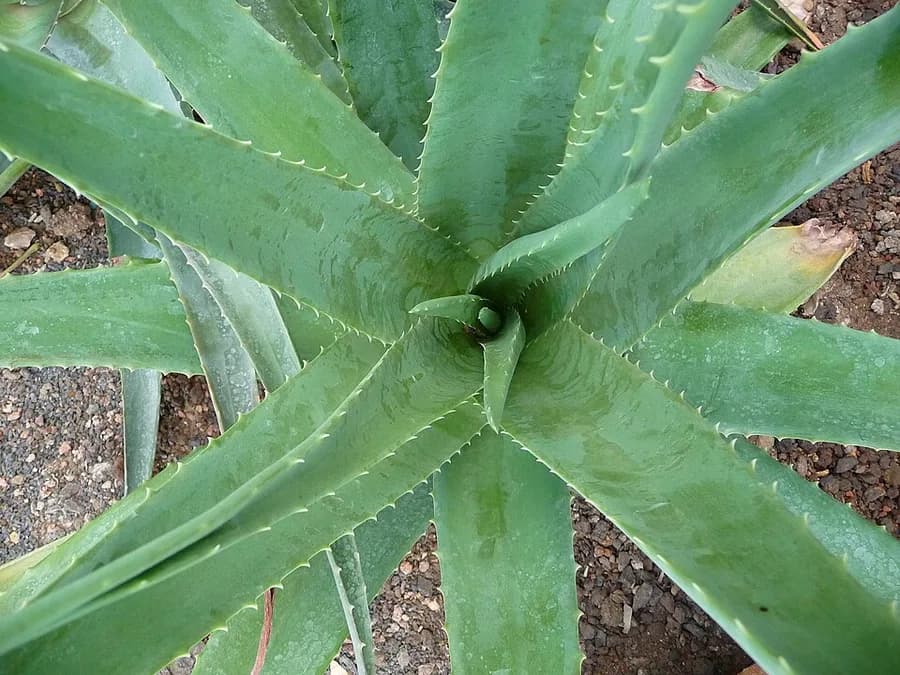
This desert plant handles bright sunlight without any fuss. Its sturdy, gel-filled leaves hold moisture inside and take on their richest color under full exposure.
Care guideMade for wide open sunlight. Barrel, column, and prickly pear cacti all grow strong on a bright south-facing windowsill that gets hours of direct rays.
Tight rosettes and trailing forms hold their bold color in direct sun. Without enough light, they stretch thin and lose that compact shape.
A swollen trunk holds water for dry stretches, while cascading strap-like leaves soak up direct sunlight from morning through afternoon.
Sharp sword leaves on a solid trunk take intense direct light without breaking a sweat. One of the toughest sun-loving indoor plants you can find.
Tiny, gem-like succulents with clear leaf tips that funnel sunlight right in. Morning rays hit them without harm, yet softer afternoon light suits them better.
Rosette-shaped succulents that show off their brightest pastels - lavender, coral, soft pink - only when they get plenty of direct sun each day.
Wide, sculptural leaves edged with sharp spines hold up on the hottest, brightest windowsill. Agaves grow slowly over time and ask for almost nothing in return.
Spiny cactus-like forms and pencil-thin branches do best under full sun. Many euphorbias push out small, bright flowers once the lighting is right.
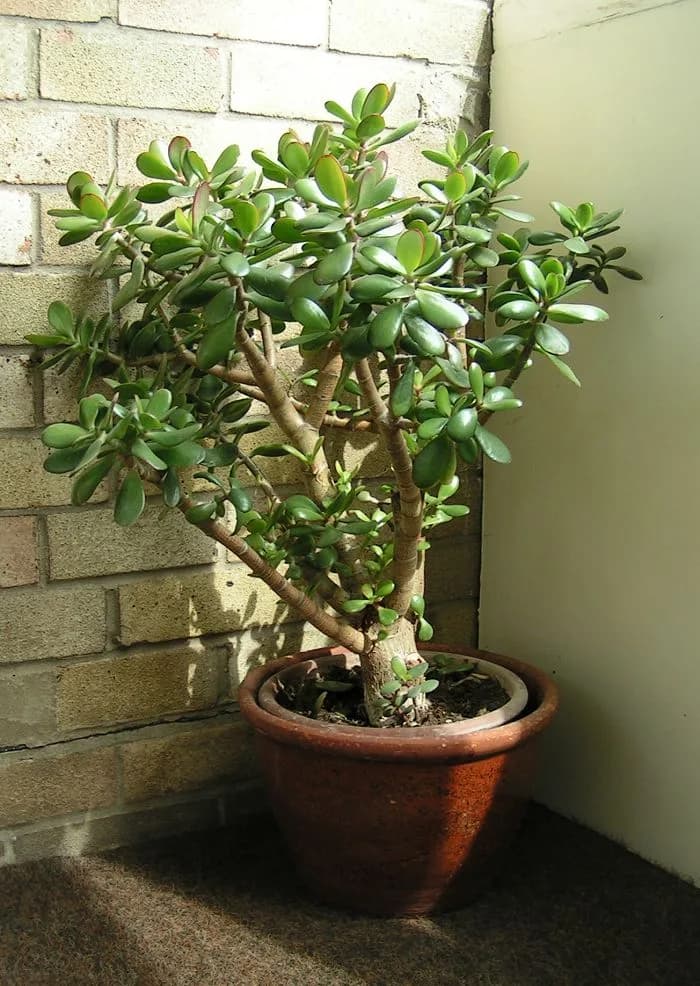
Sunlight shapes its growth - a heavy, wood-like trunk forms while dense foliage spreads wide. Bright daily exposure deepens the color, especially the faint red edges along each glossy leaf.
Care guideAcclimating Plants to Direct Sun
Dropping a plant from a dim corner straight into full sun can cause shock and leaf burn. Take these steps for a safe, gradual transition.
- 1Set the plant in bright indirect light for the first week so it can get used to the stronger illumination.
- 2In the second week, let it catch an hour or two of morning sun - those early rays hit softer than the afternoon kind.
- 3Gradually increase direct sun exposure by an hour each day over the course of another week.
- 4Watch for signs of stress like wilting, bleaching, or crispy leaf edges and pull back if they appear.
- 5Water a bit more often while the plant adjusts - brighter conditions dry things out faster than it is used to.
- 6Once three or four weeks of gradual exposure have passed, the plant should feel right at home in its new spot.
Preventing Heat Stress
Heat shows up fast when sunlight hits straight. Keep sun-loving plants healthy by staying on top of temperature and moisture.
- Pick terracotta or ceramic pots - they keep roots cooler than dark plastic containers that soak up heat.
- Water early in the morning - you want roots already soaked before the afternoon heat kicks in.
- Don't sit pots on dark windowsills or tables - those surfaces soak up heat all day and push it right up into the pot.
- Get the air moving gently. A soft breeze from a fan or cracked window pushes warm, stagnant air away from the leaves.
- Touch the glass in summer - if it feels hot, your plants feel it too. Single-pane windows trap heat like a greenhouse and can cook nearby foliage.
- Brown or curling leaf tips even though you're watering right? Scoot the plant back about six inches from the glass and see if that helps.
Explore Other Light Levels
Every room offers different light conditions. Find plants matched to each level.
Identify Your Sun-Loving Plant
Snap a photo of any plant and our scanner will tell you what it is - plus whether it can actually handle the direct sun you've got.